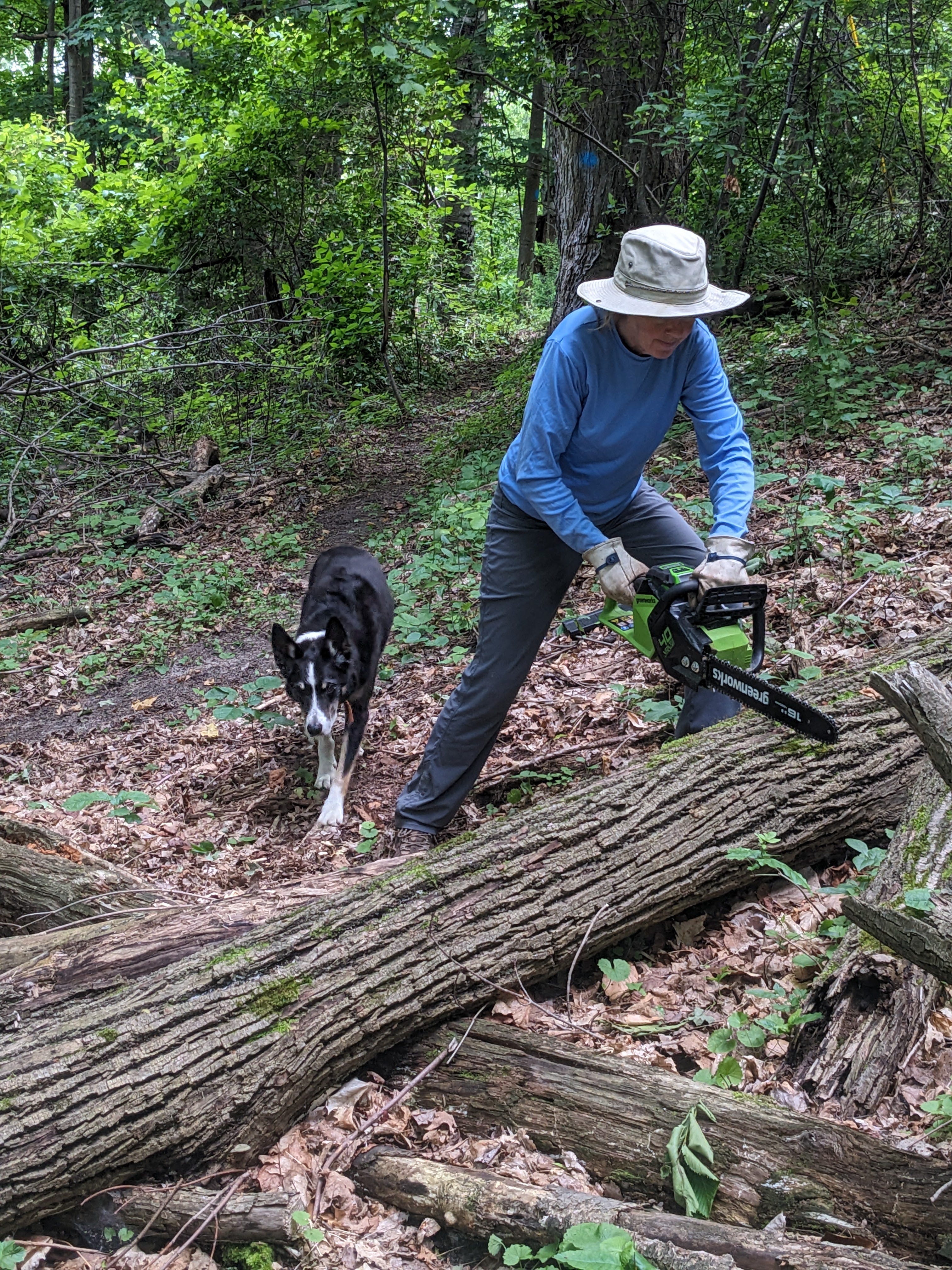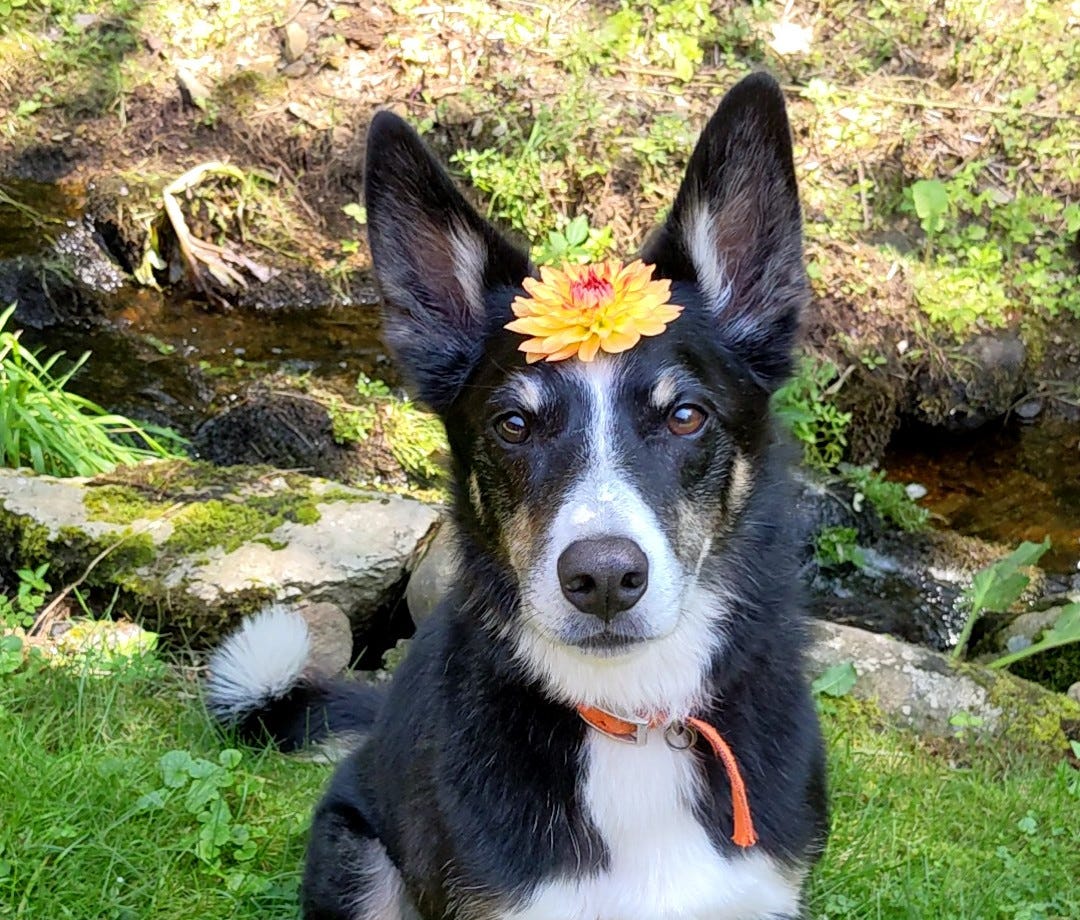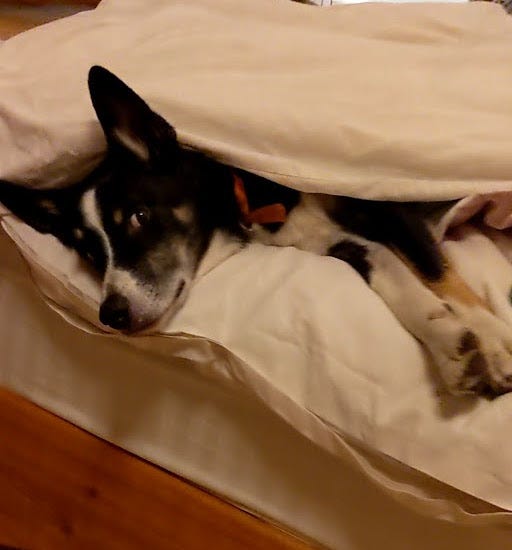
Don’t worry, you won’t need to count the candles on your cake for this one.
After you’ve reached a certain age, at least until you’re so ancient that you’ve gained bragging rights, people stop asking how old you are. For me, this happened around the time wrinkles started to spread from the corners of my eyes like neglected cracks on a car windshield. Avoiding the topic of age is fine with me. I’ve always been grateful not to be reminded of my own mortality. I’ve also gotten increasingly sensitive to how long I’ve spent on this planet without making much of a difference. And to be completely honest, I worry about ageism in the writing world, where professionals may look down on anyone who isn’t a wunderkind with tremendous future potential.
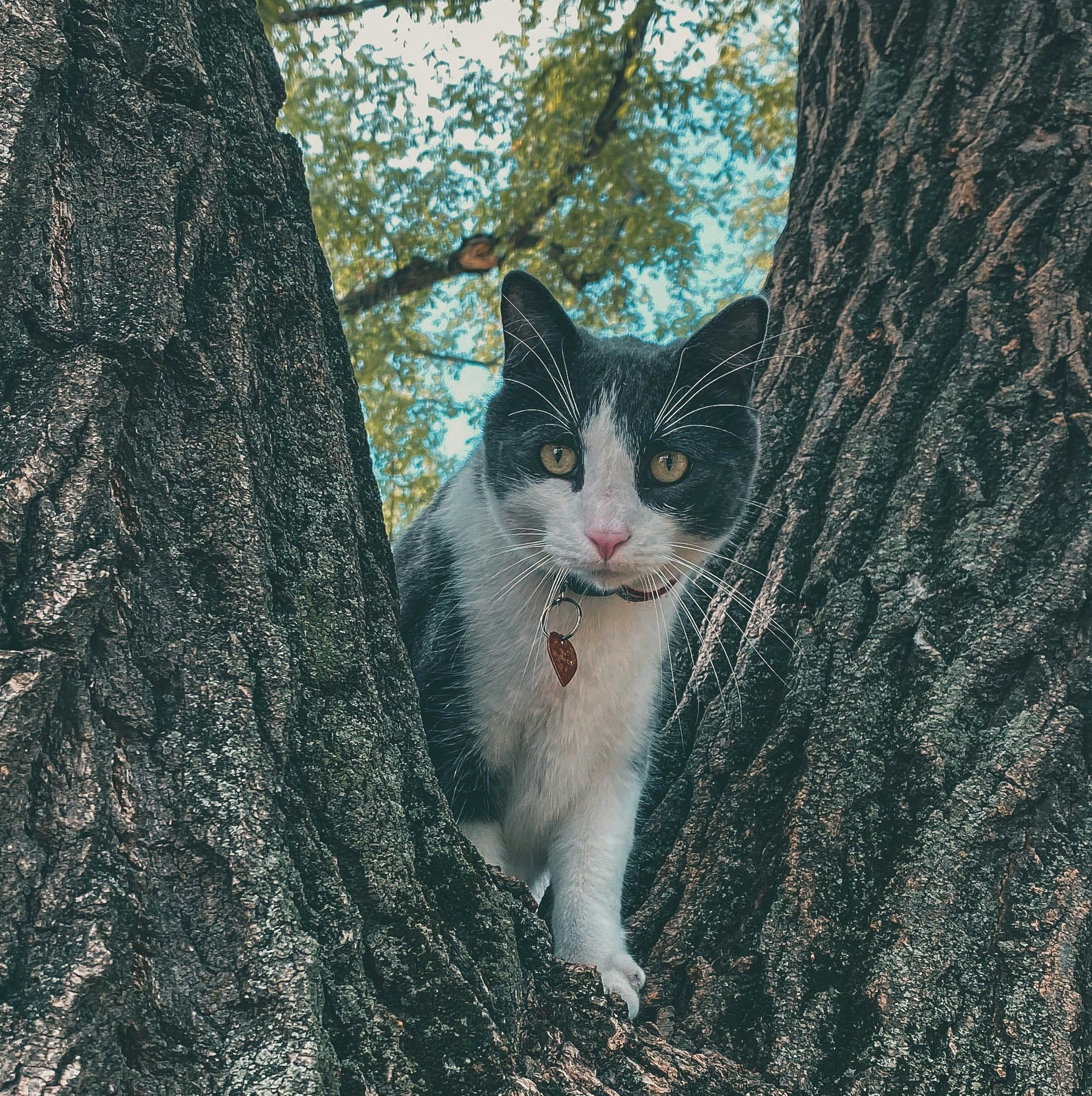
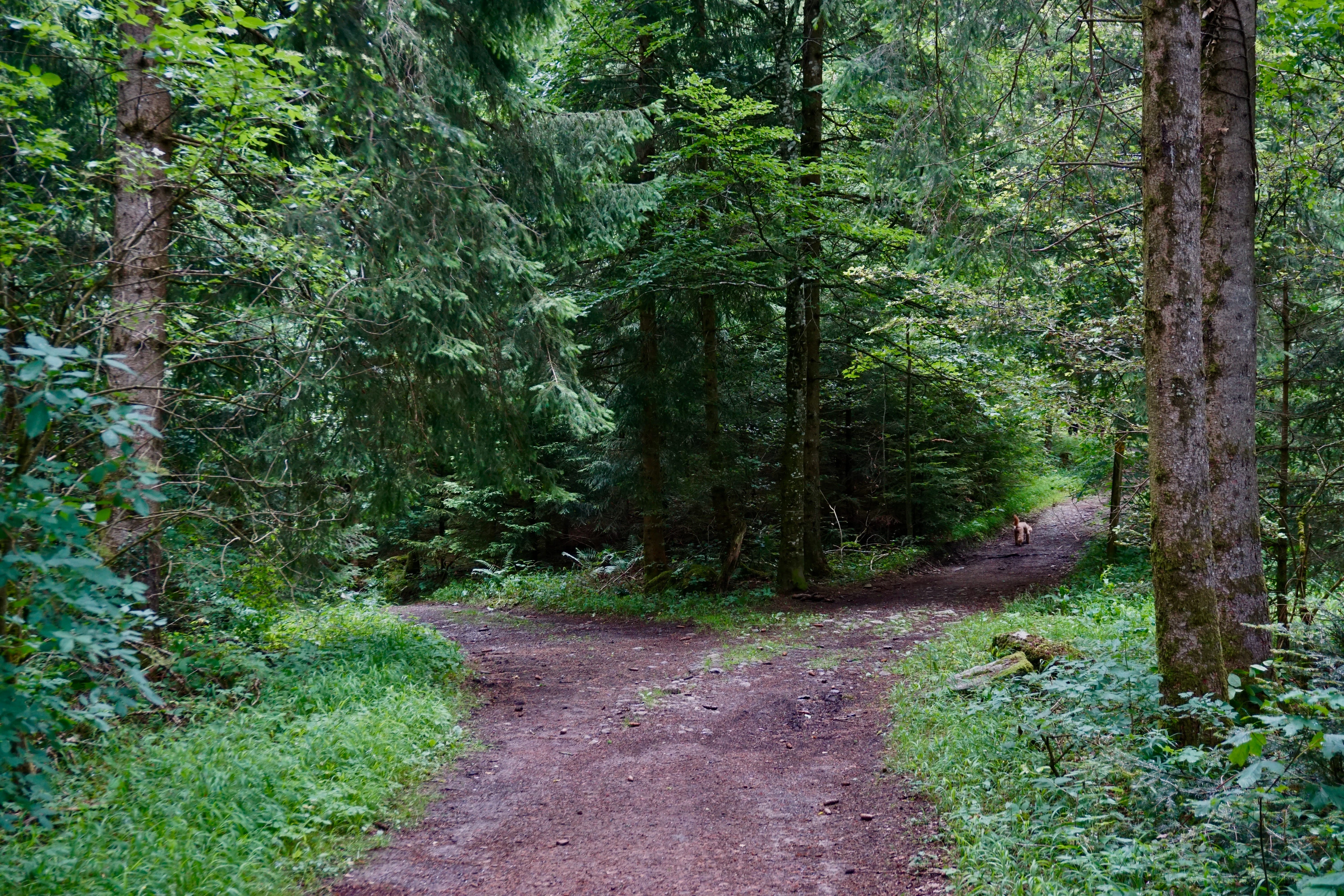
None of us can avoid the inexorable march of time, and with it the reduction of our own potential. Photo credit: Ricardo Moura
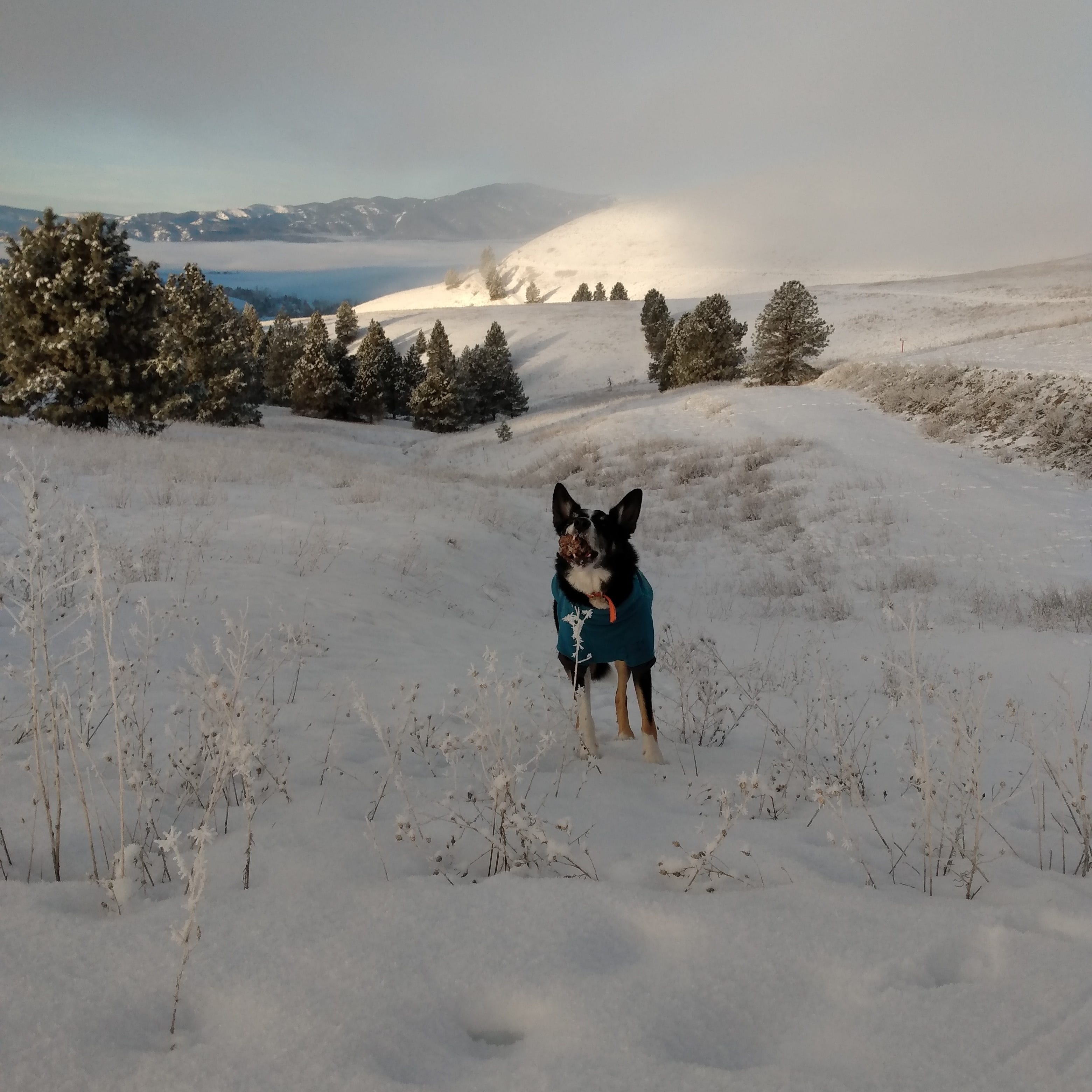
So it’s kind of weird that I’m asking such an intrusive question. I think I need to rephrase it. What I really mean is, how old are you in your mind? What age is the person your memories most frequently revisit? These might be your best memories, but they could just as well be traumatic ones. That is, I’m not asking what age you want to be (twenties for me, please—backpacking and trail-building in the wilderness with seemingly limitless energy and nary an ache). Nor am I asking what age you feel yourself to be (I’m guessing about eighty for me on days when my back hurts from sitting, my hips ache from walking, my elbow stings from lopping weeds, my foot twinges for no apparent reason, and my thumb throbs from an old pinecone-throwing injury).
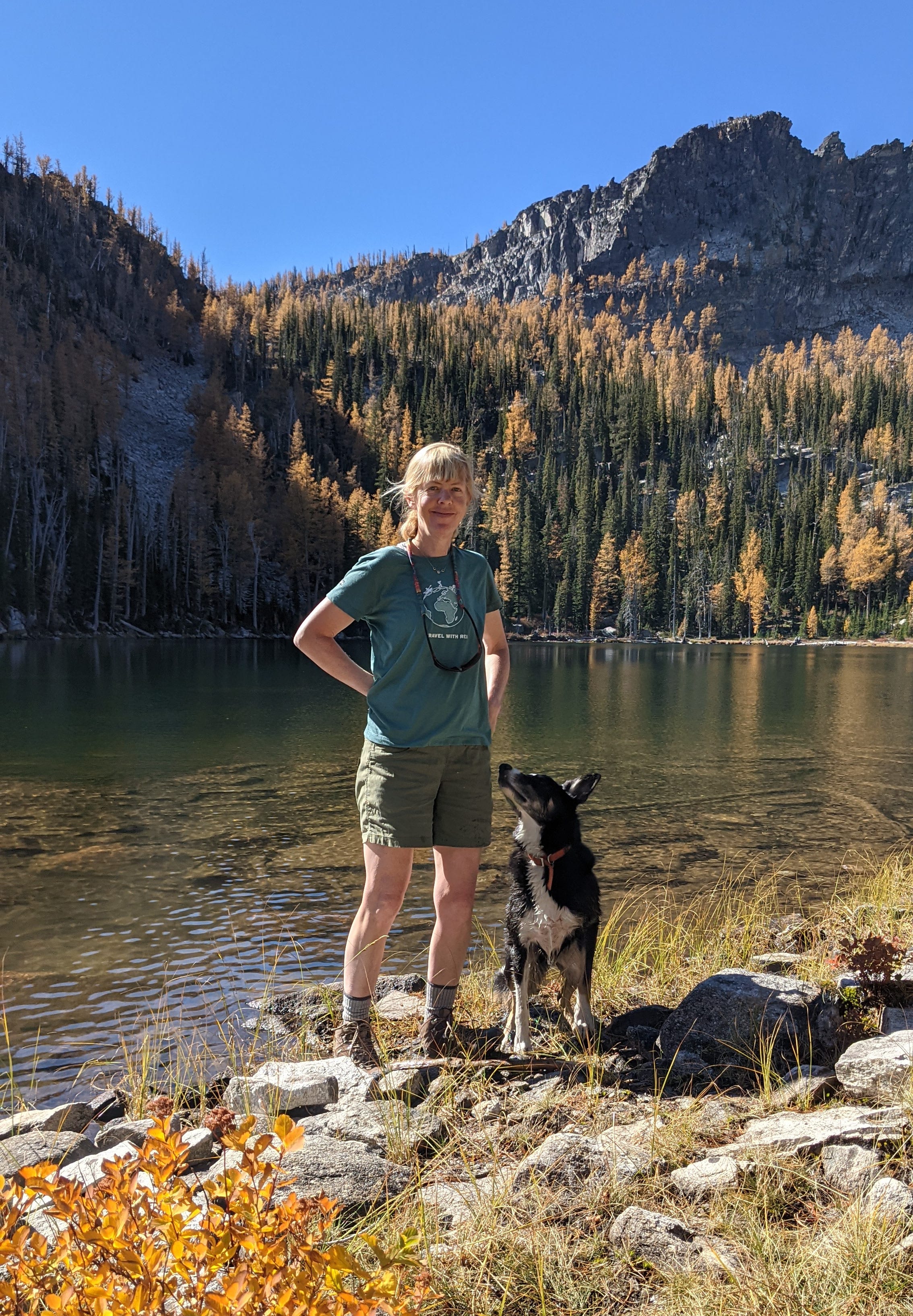
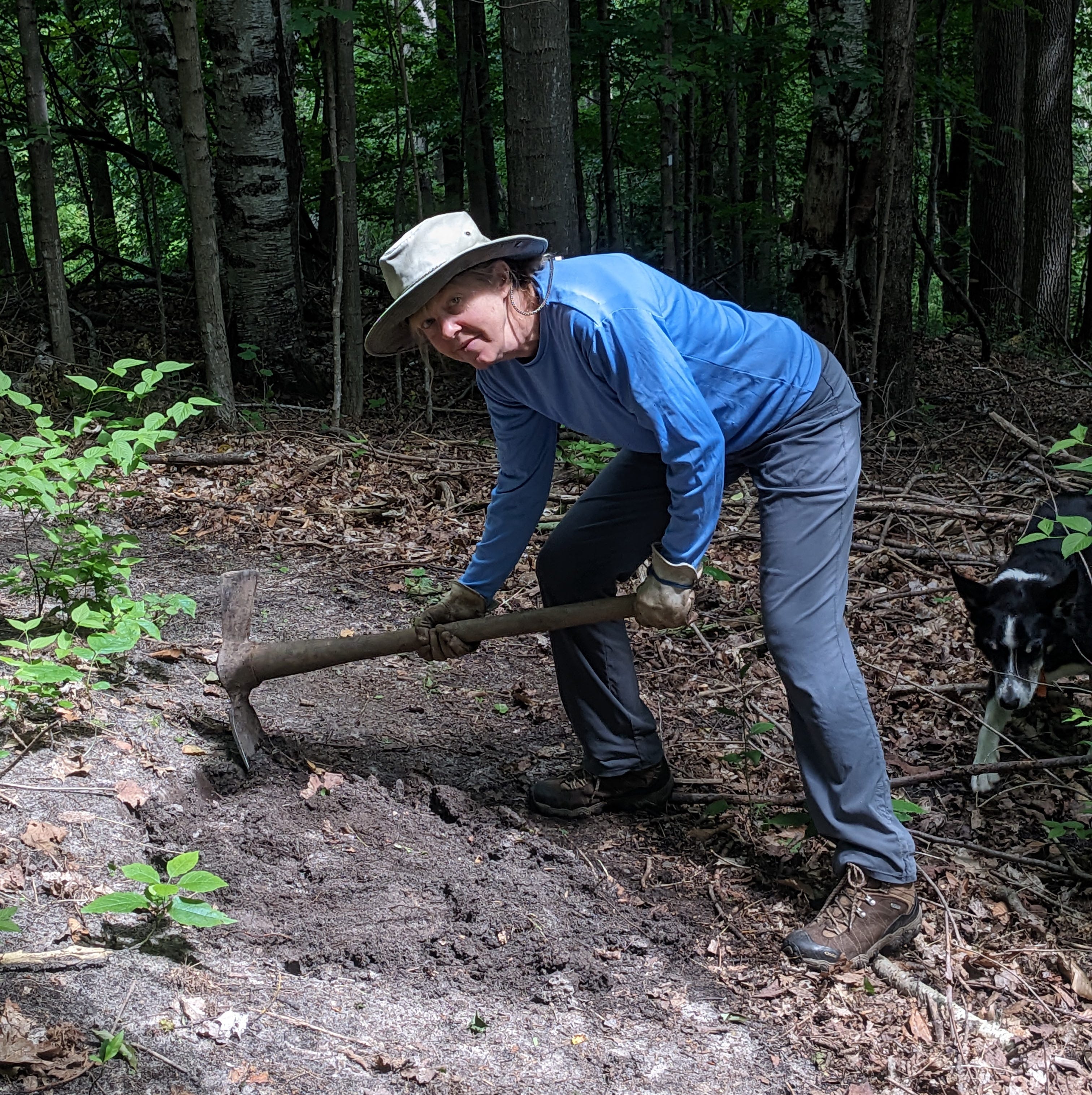
I will never not hike, though it definitely takes a toll on the body!
I most often see myself as about eleven years old, one of the happiest times in my life. At that tender age, I was still young enough to feel secure in my place—surrounded by family and friends, immersed in school, music, and nature. But I was old enough to question things that were happening around me and to realize that the world was a heck of a lot bigger than I’d thought it was just the year before. I wouldn’t lose my best friend for another year, and I wouldn’t lose my ability to play music for nine more. I didn’t yet suffer from teenage angst, and I didn’t have to deal with the high pressures of academia or adulting. I spent a lot of time in imaginary worlds—stories that never left my head, though the complex imagery that accompanied them sometimes made it onto paper.
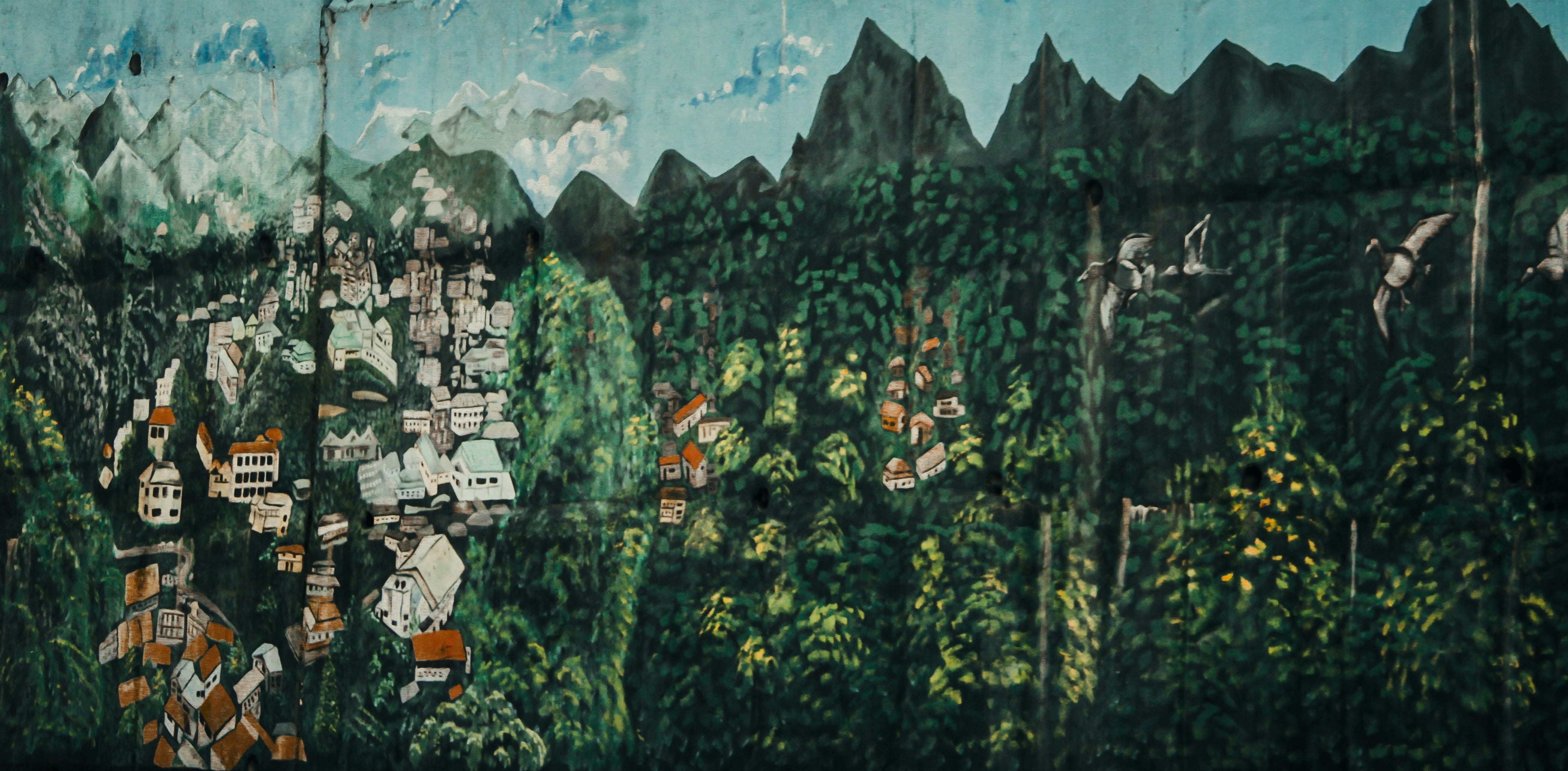
If I’d had the nerve to paint one of my childhood murals on a city wall, it might have looked something like this. Photo credit: Muhammad Shakir
This, then, is why I write middle grade fiction. Pre-teen kids deal with huge issues, for sure, but they’re still young enough to be resilient, hopeful, and curious. They’re at a prime age to go on fantastic adventures—both real and imagined. They treat the obstacles they encounter with humor, courage, and surprising wisdom. They make such fun protagonists!
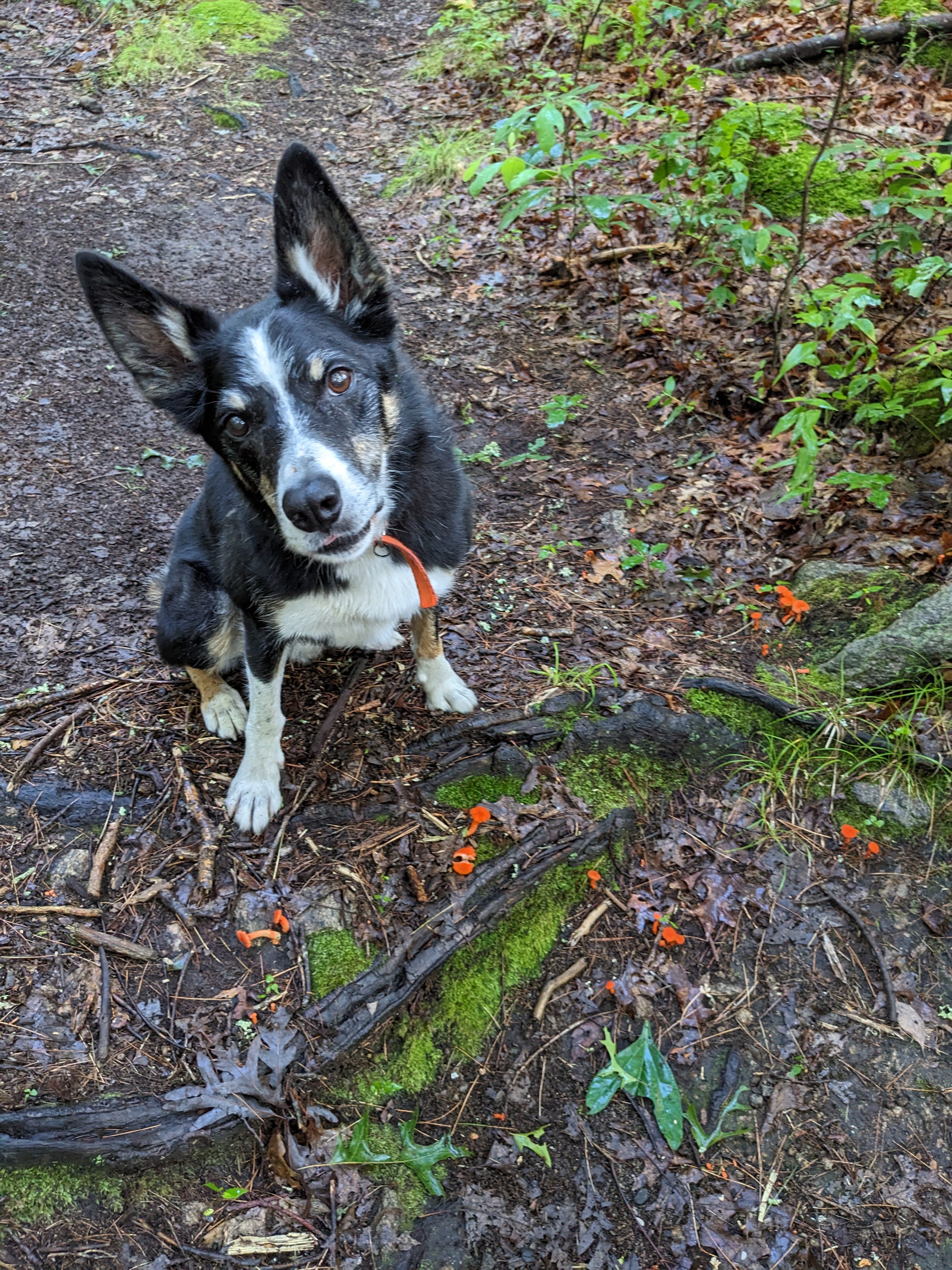
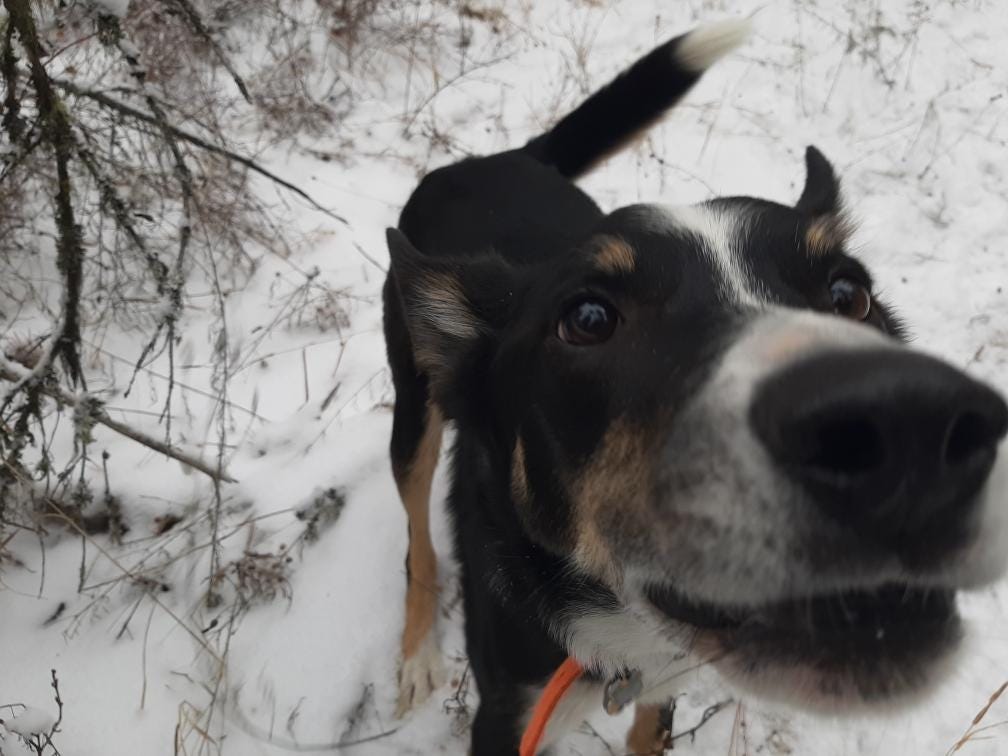
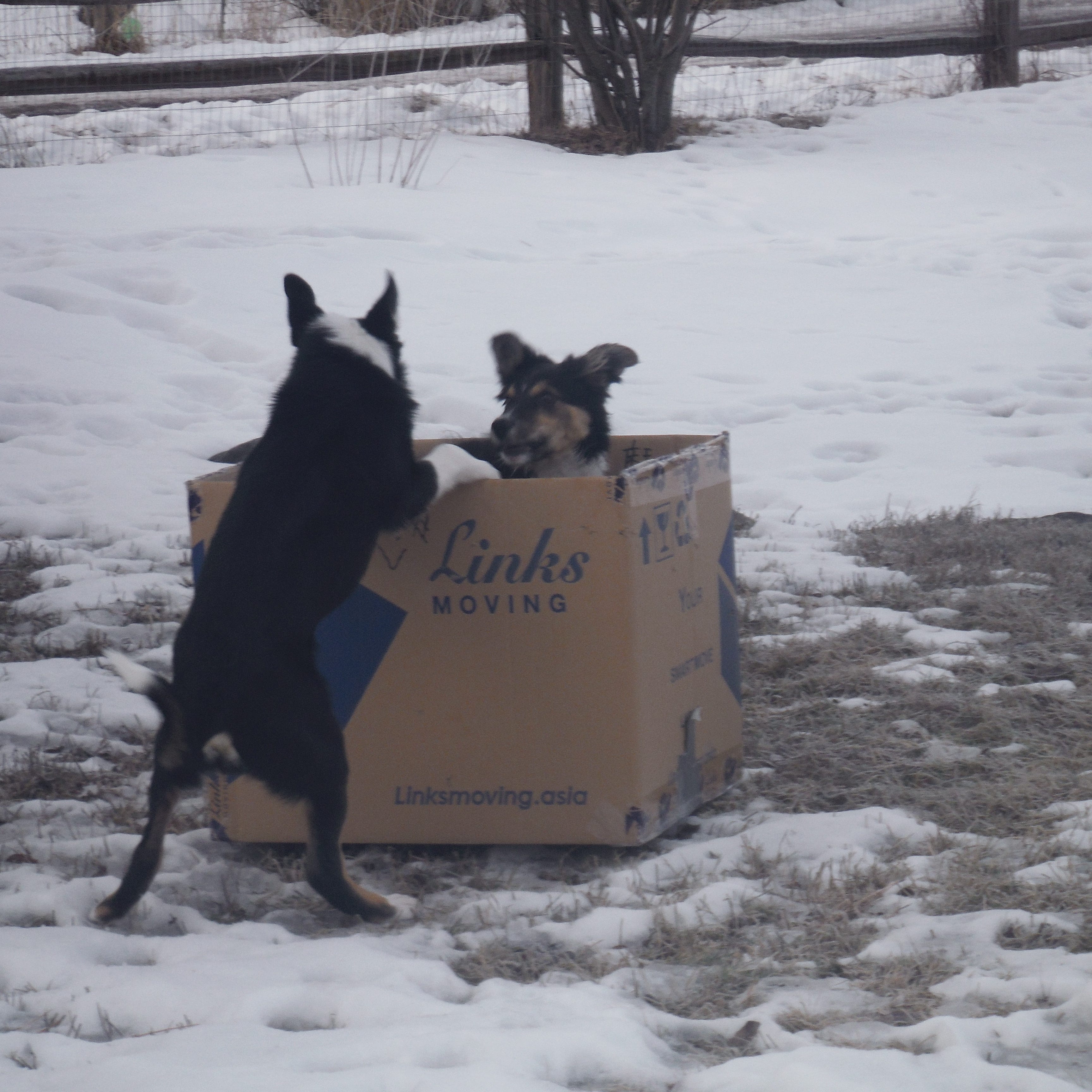
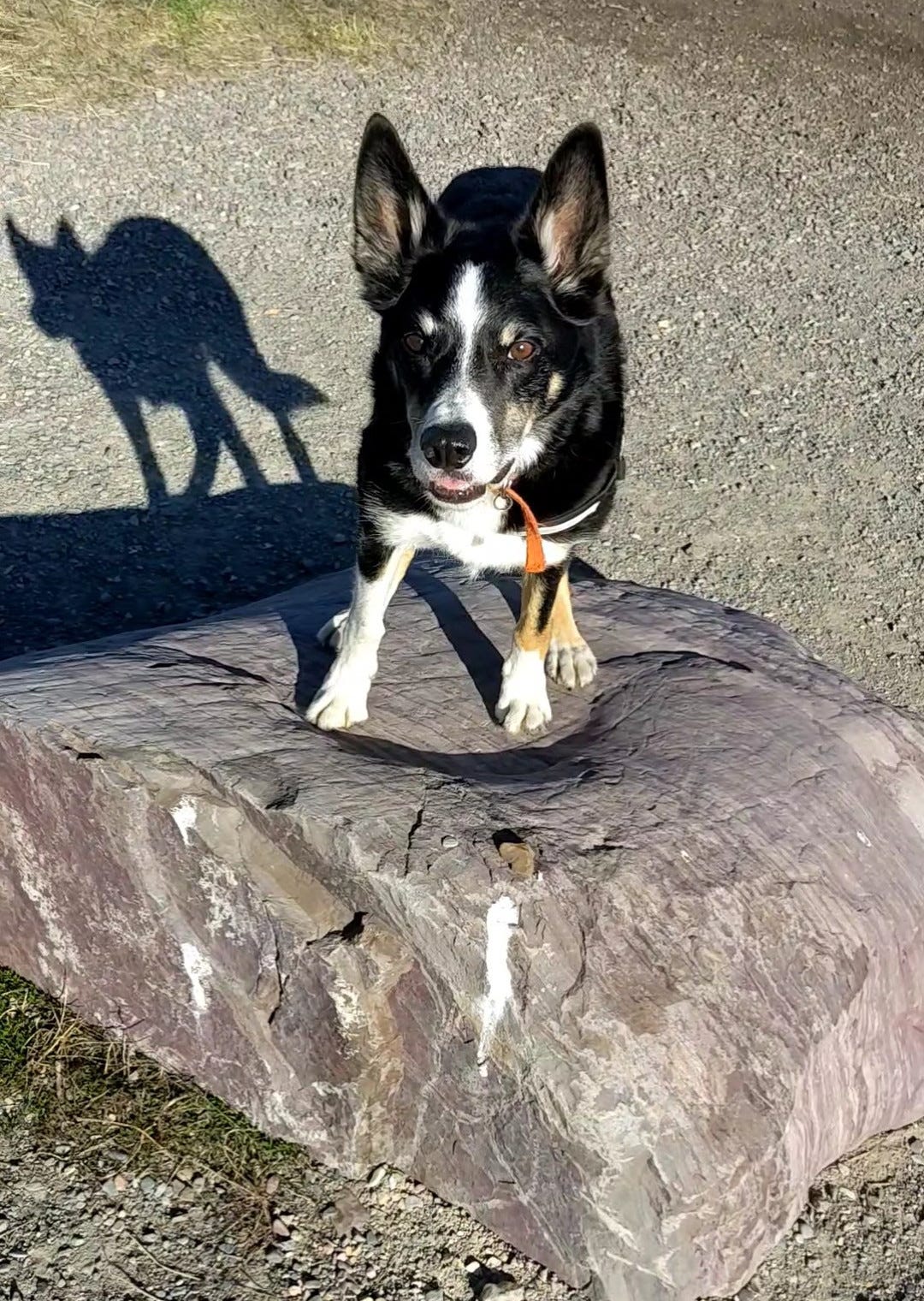
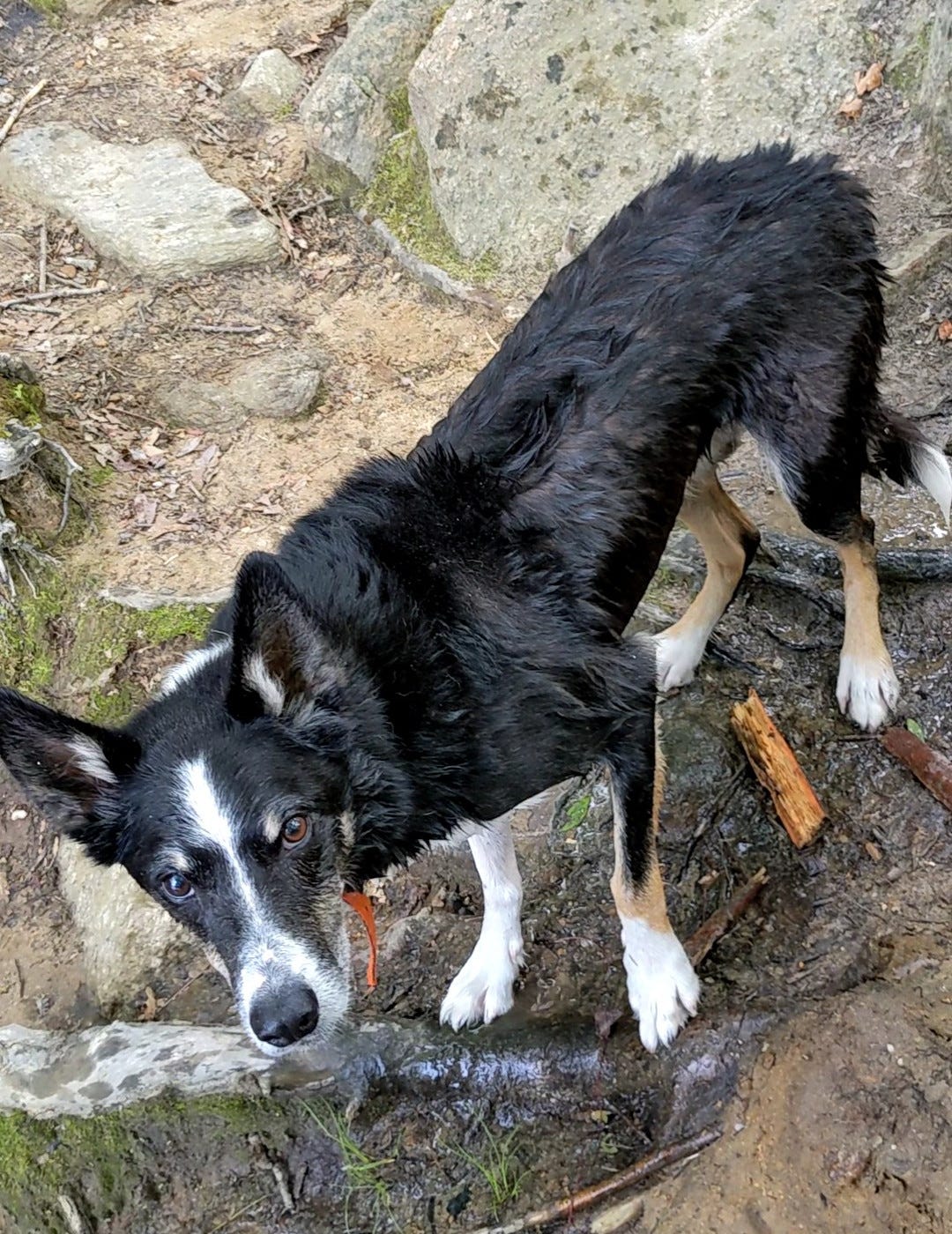
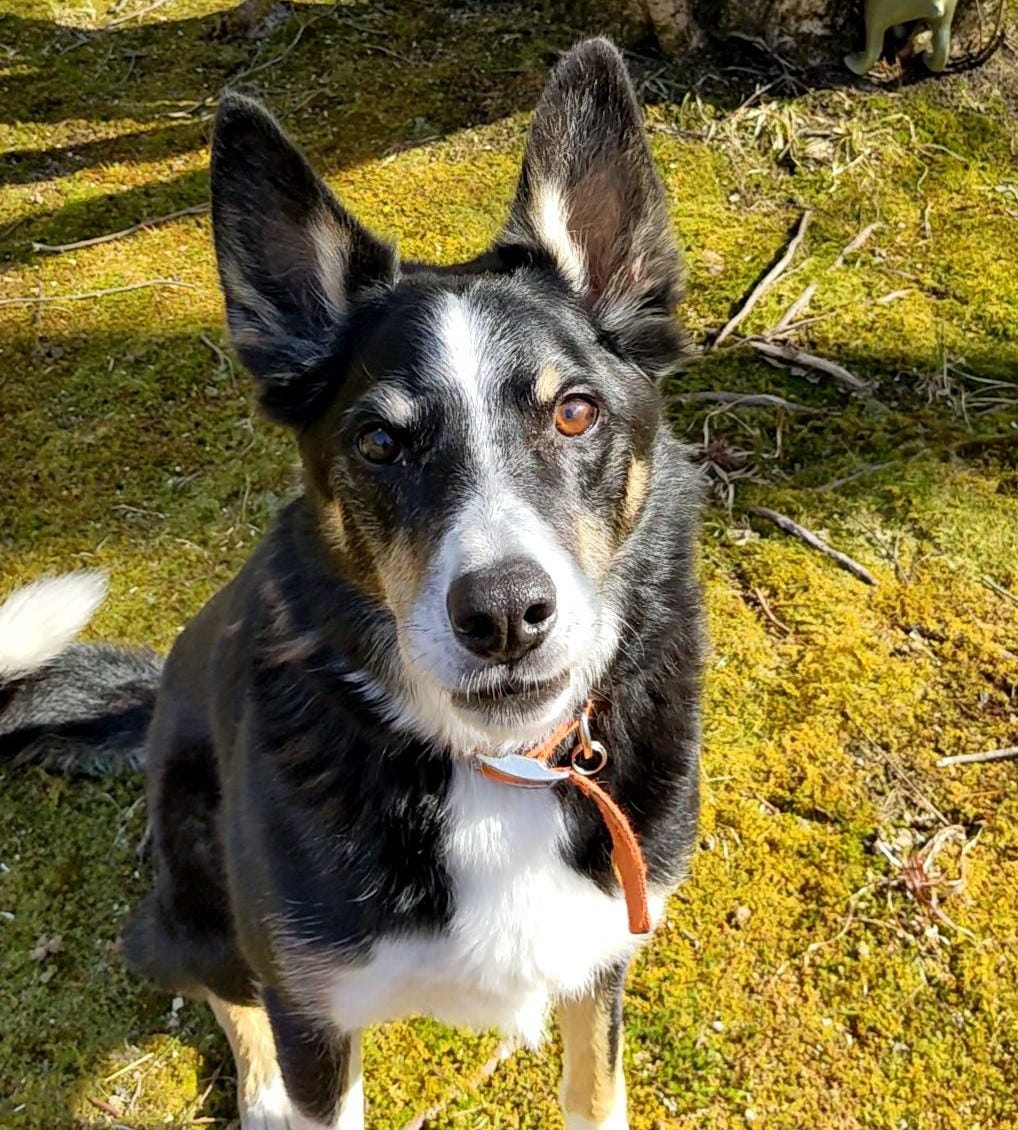
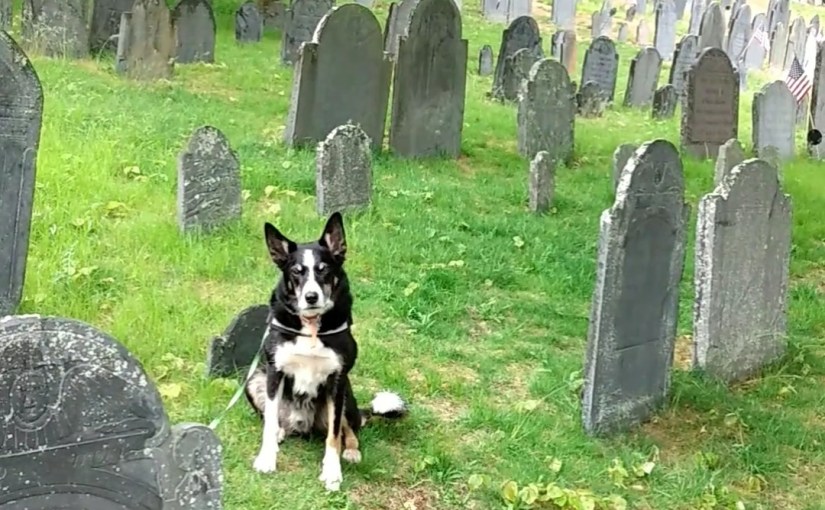
My husband says his thoughts most frequently take him back to high school, a time when he enjoyed nerding out with a wide variety of creative friends. I’m guessing he’d focus on YA if he were a writer. My aunt, who writes women’s fiction, says she revisits her thirties when she met the love of her life (and my uncle chooses his forties for the very same sweet reason). My eleven-year-old dog doesn’t say, but he acts like he’s about three. Maybe picture books would work best for him.
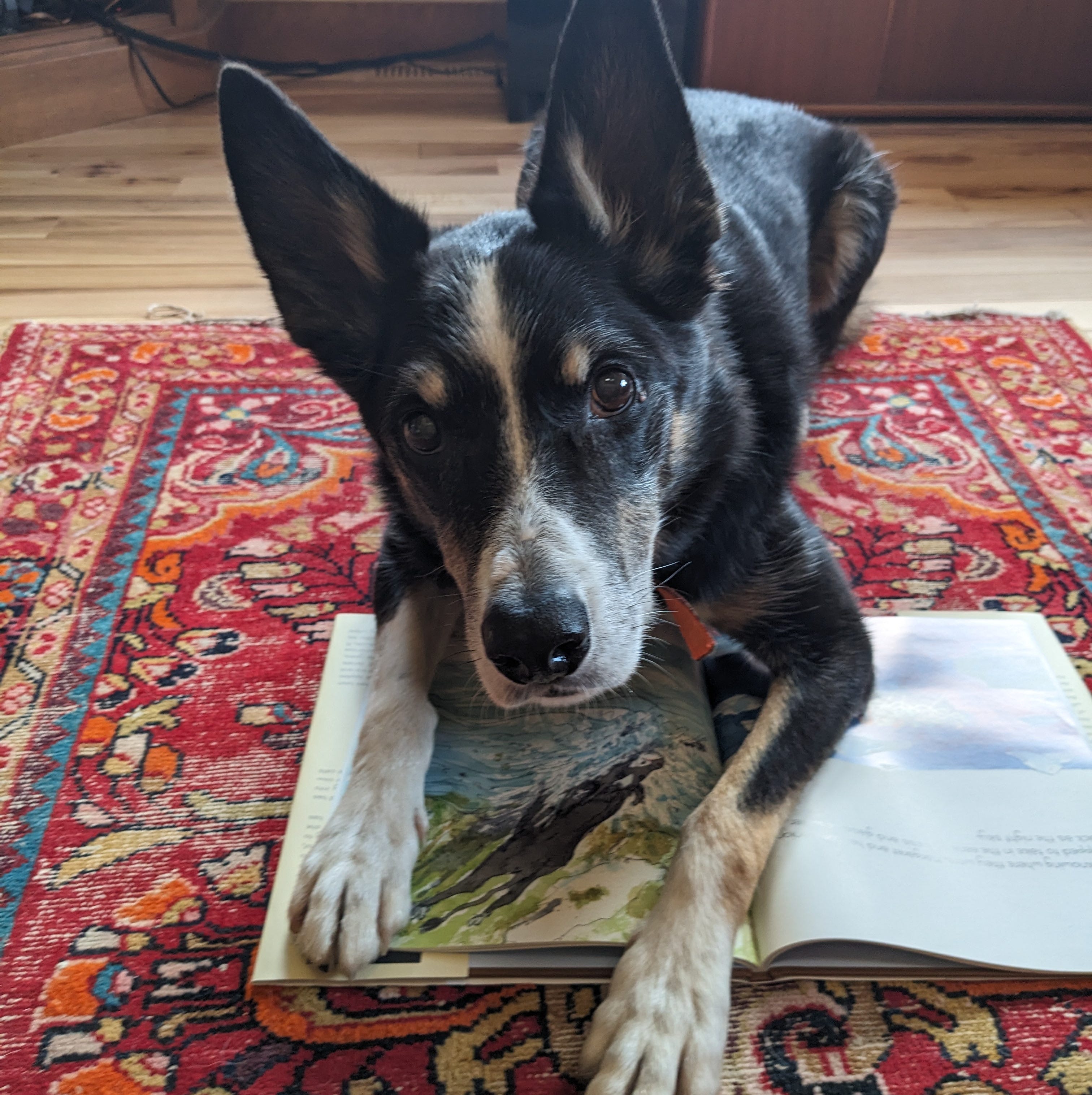
Tock enjoys his favorite picture book, The Mollys B, by Joann Howeth.
My question for everyone else remains the same: how old is the you that your mind replays most? Was this a good time or a difficult time for you when you actually lived it? If you write, do your protagonists tend to be that age as well?
As we make our way through our lives, maybe our most memorable age will give us a better understanding of the whole. That’s my hope, anyway.
Is that unforgettable time of your life in the distant past—or maybe happening right now?
“Do you like to play games?” I’m known to ask shyly of new friends. I wait with trepidation for their answer, hoping I won’t have to lump them into some “other” category, like people in an opposing political party, or those who eat red meat rather than no meat, or who don’t care that “Resident Alien” is ending after Season Four. They either do play games or they don’t, and if they don’t, they’ll think I’m weird for asking. Plus, there’s a whole area of conversation that they won’t understand and of fun times ahead with our family that they’ll never have.
To be fair, we’re friends with plenty of people who don’t get games and would rather just chat. That’s fine. But if they say “yes,” this opens up a world of possibilities.
“What kind?” I’ll ask eagerly. Board games, card games, word games, trivia games, solitary games, cooperative games, computer games, role-playing games, party games … there’s a favorite flavor for everyone.
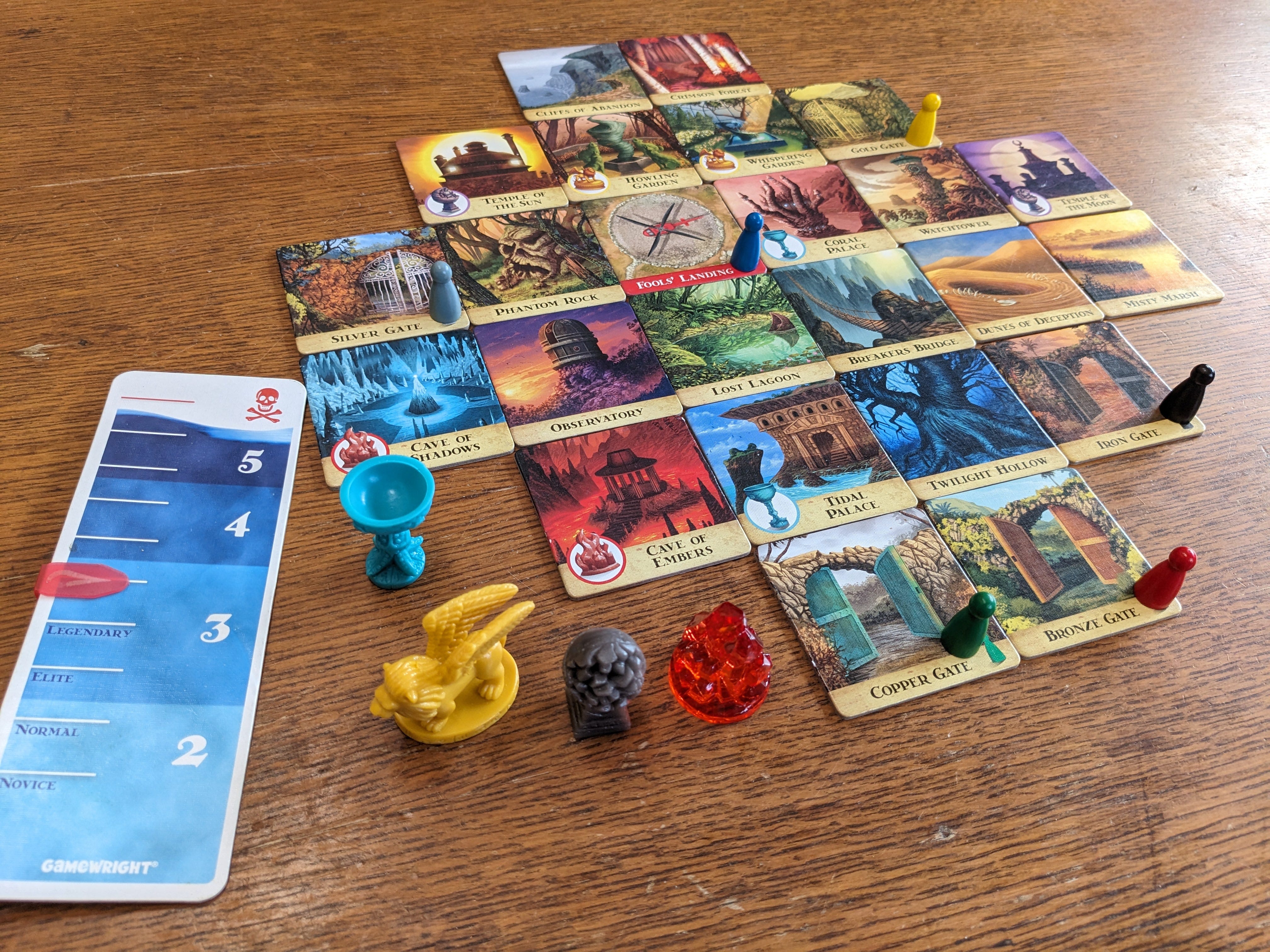
Forbidden Island – a surprisingly tense cooperative game
Deciding on my favorite game is almost as hard as choosing a favorite book. Depending on my energy level, mood, and who I’m with, I might pick “Uno” (a very simple but oddly addictive card game; great with one other person in a calm setting) or “Robo-Rally” (a chaotic game involving programming robots to move across as many game boards as you choose to fit on your table; best with lots of happy, loud people). I adore “Sculptionary” (easily created if you have tubs of Play-Dough and want to try sculpting answers rather than drawing them as you would in “Pictionary”) and “Balderdash” (i.e., the Dictionary Game because that’s really all you need). “Code Names” has been known to lure members of our family who professed not to like games, and “Myst” has the distinction of being the one computer game I truly loved because of the setting (who doesn’t enjoy treetop boardwalks and Mediterranean-looking islands?) and the slowly unfolding story it tells if you find the right clues.
The most fun part of Robo-Rally is when the board takes its turn – and a conveyor belt sweeps a robot into the abyss!
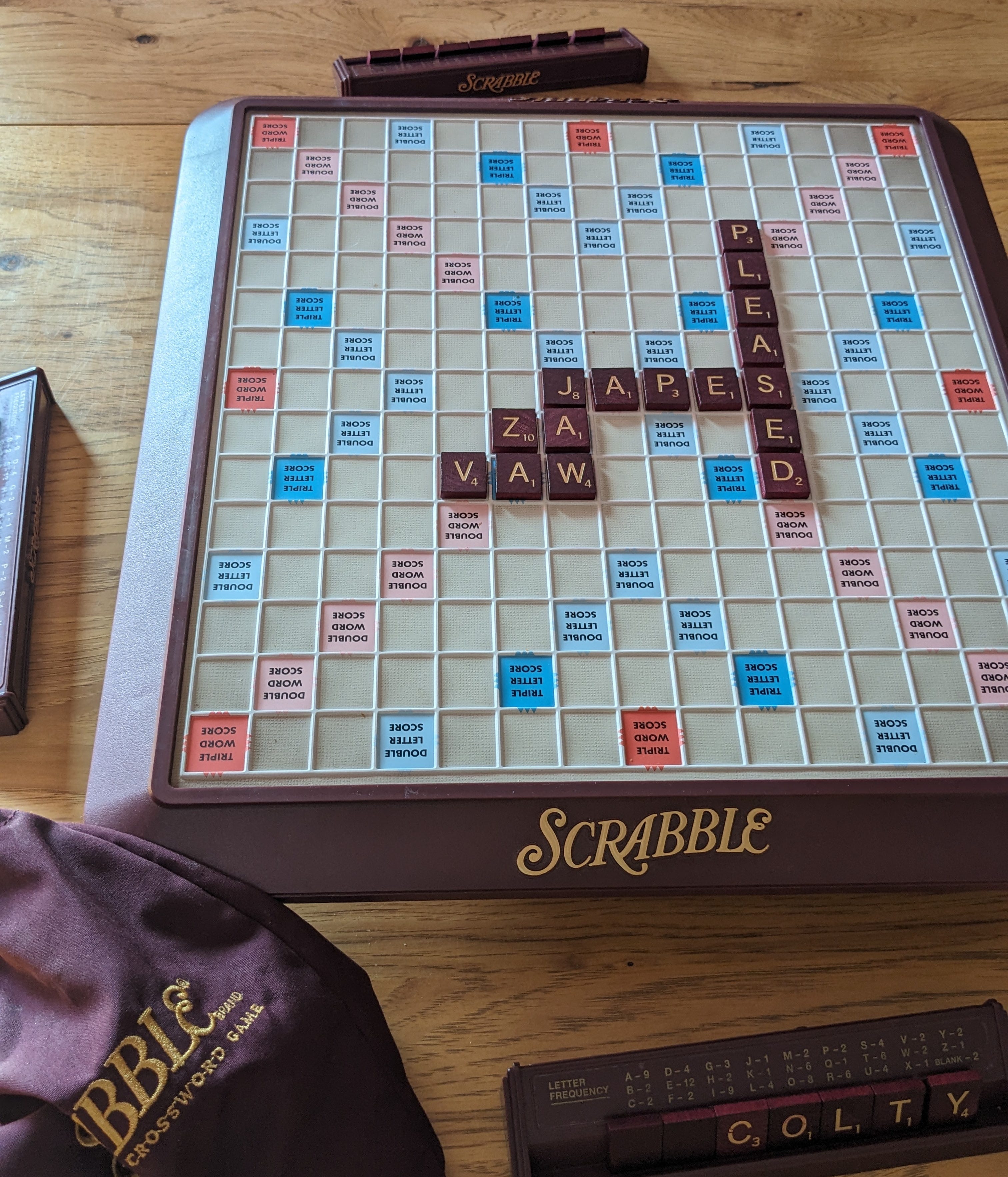
My all-time favorite game—the one I play every single day without fail (multiple times per day, actually) is Scrabble. Maybe there’s a correlation between writers and word games, maybe not, but for me, I find the simple act of combining letters into words—often obscure ones I didn’t know existed before—immensely satisfying. I have three different games going with three family members at all times. It works well on a phone during road trips or during my 2:00 am insomnia, but of course a good old-fashioned board is fun, too. We have an ancient board as well as the Deluxe version with the rotating turntable, though our Super Scrabble board (more tiles, more spaces, more points!) got lost in the move.
Getting a seven-letter Scrabble is the most triumphant feeling.
So what is it about games that is just so freaking fun? For me, I think, it’s a return to childhood. A chance to play at real life, with all its risks and scary decisions, but without actual life-or-death consequences. It’s a way to immerse oneself in an imagined world, to adopt a fictional persona, to be bold even if you’re not, to be as cutthroat or as savvy as you’ve always wished you could be.
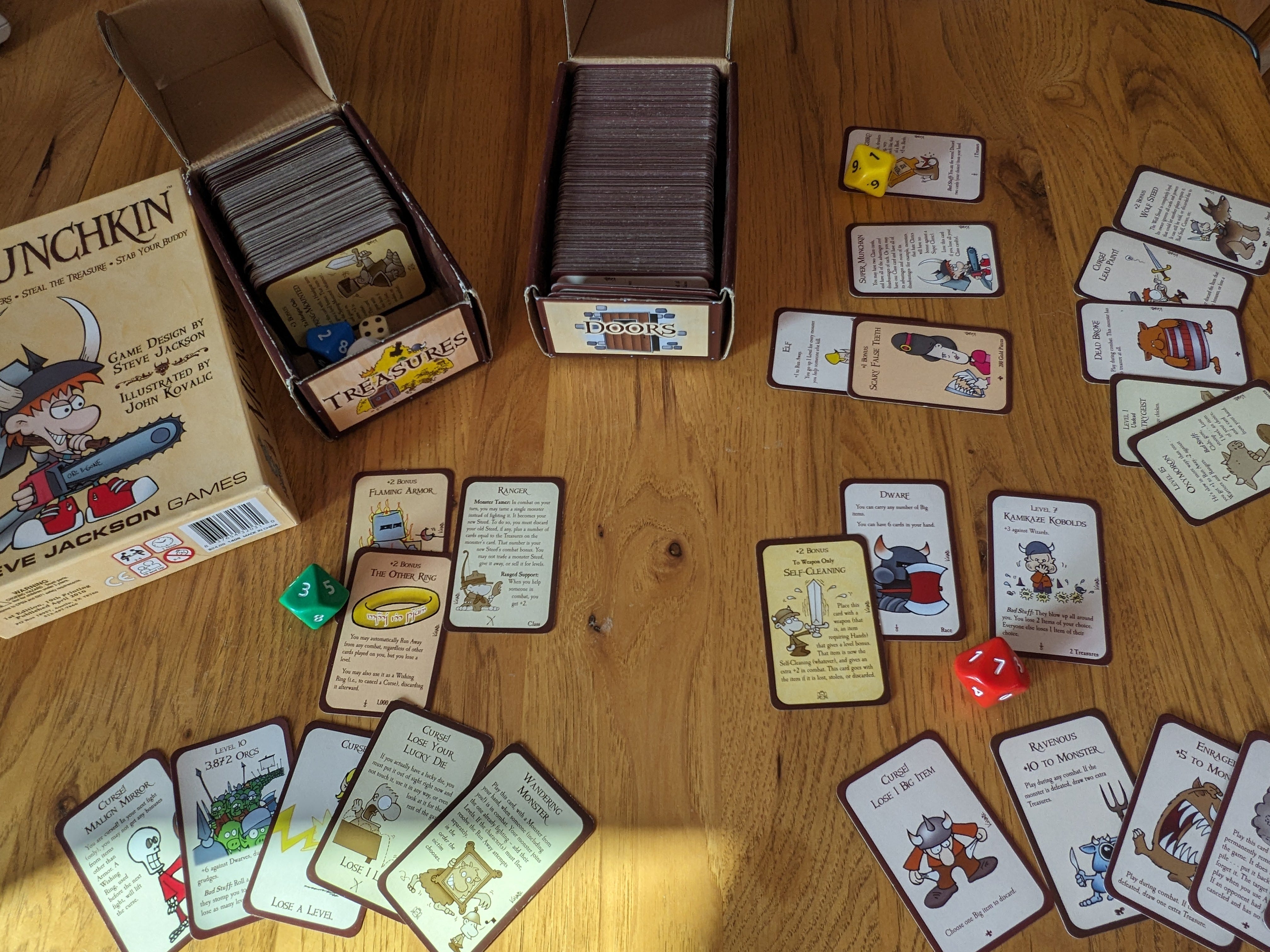
Sound familiar? It should if you’re a writer, because it’s pretty darned similar to crafting a story. Now take it a step further and imagine yourself and your writing project as part of a writing RPG (role-playing game). Let’s call it “Path to Publication.” In such a game, you’d gain or lose skills, powers, and health points for completing a draft, receiving brutal editorial comments, submitting a query, or getting a rejection from an agent. My two best writer friends and I once had a lot of fun coming up with names for ourselves in this imaginary game. Mine is Wendy the Diligent. I’ve never really gotten into RPGs (with the exception of Munchkin), but remembering my chosen character always propels me to get back to work!
I love Munchkin because it’s such a goofy take on an RPG.
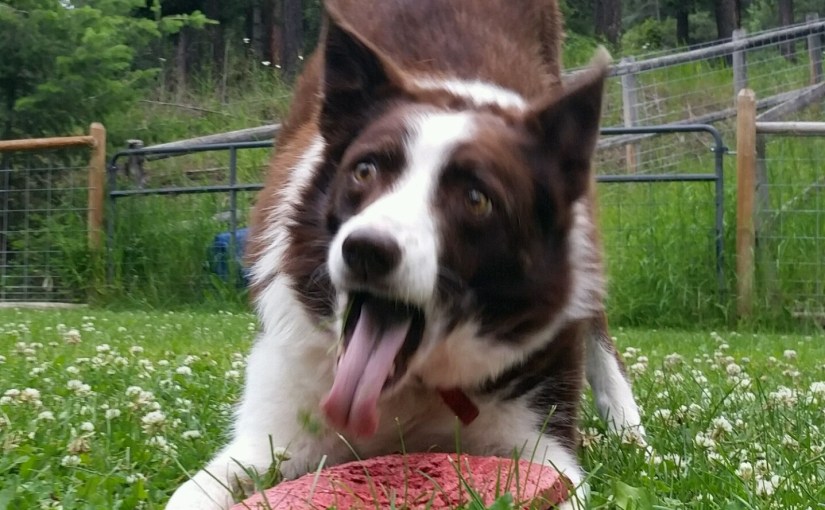
Now that I’ve been here at the computer for awhile, I’m gonna go hang out with another member of our household who’s an expert at playing games (pictured below. Need I say more?).
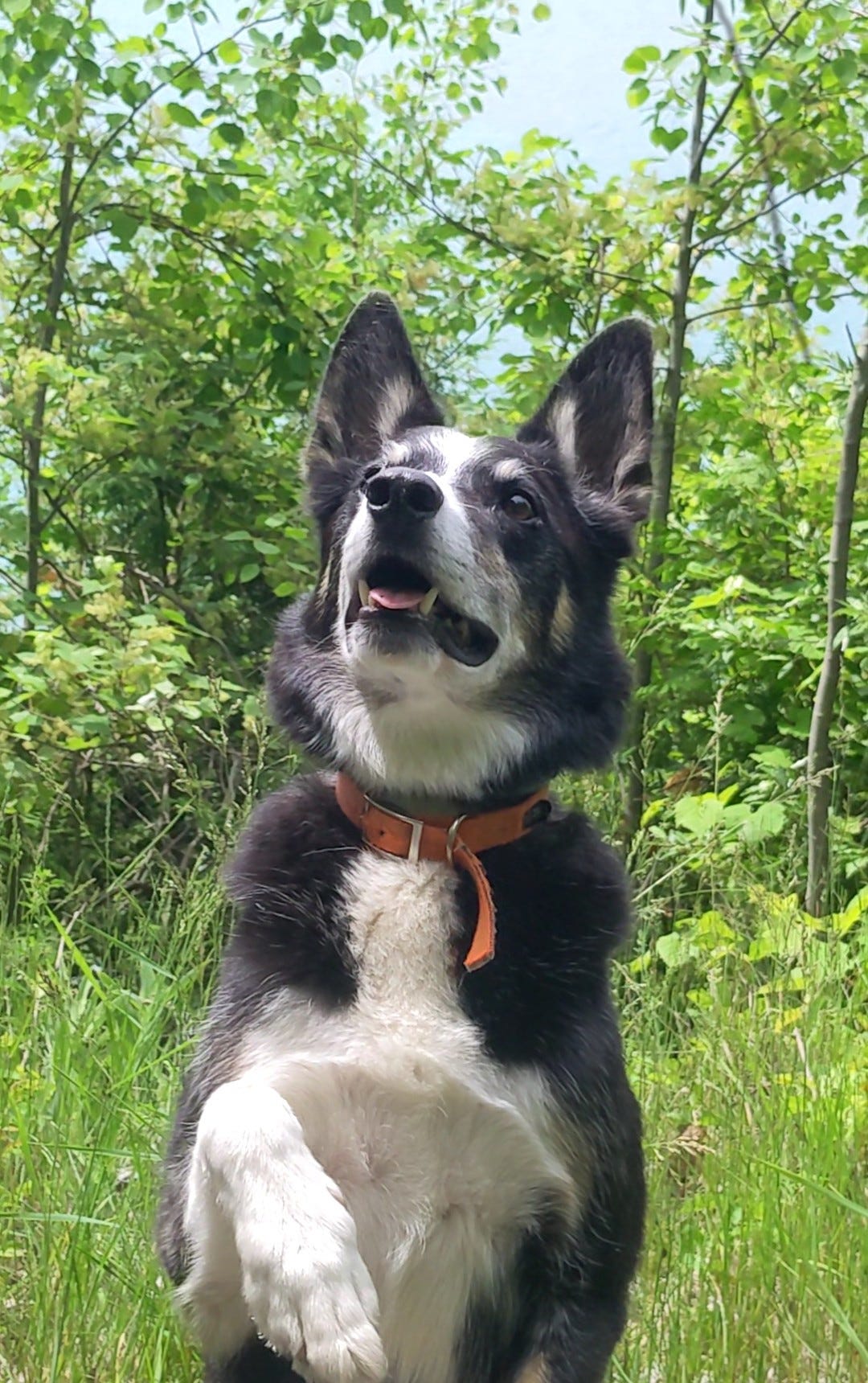
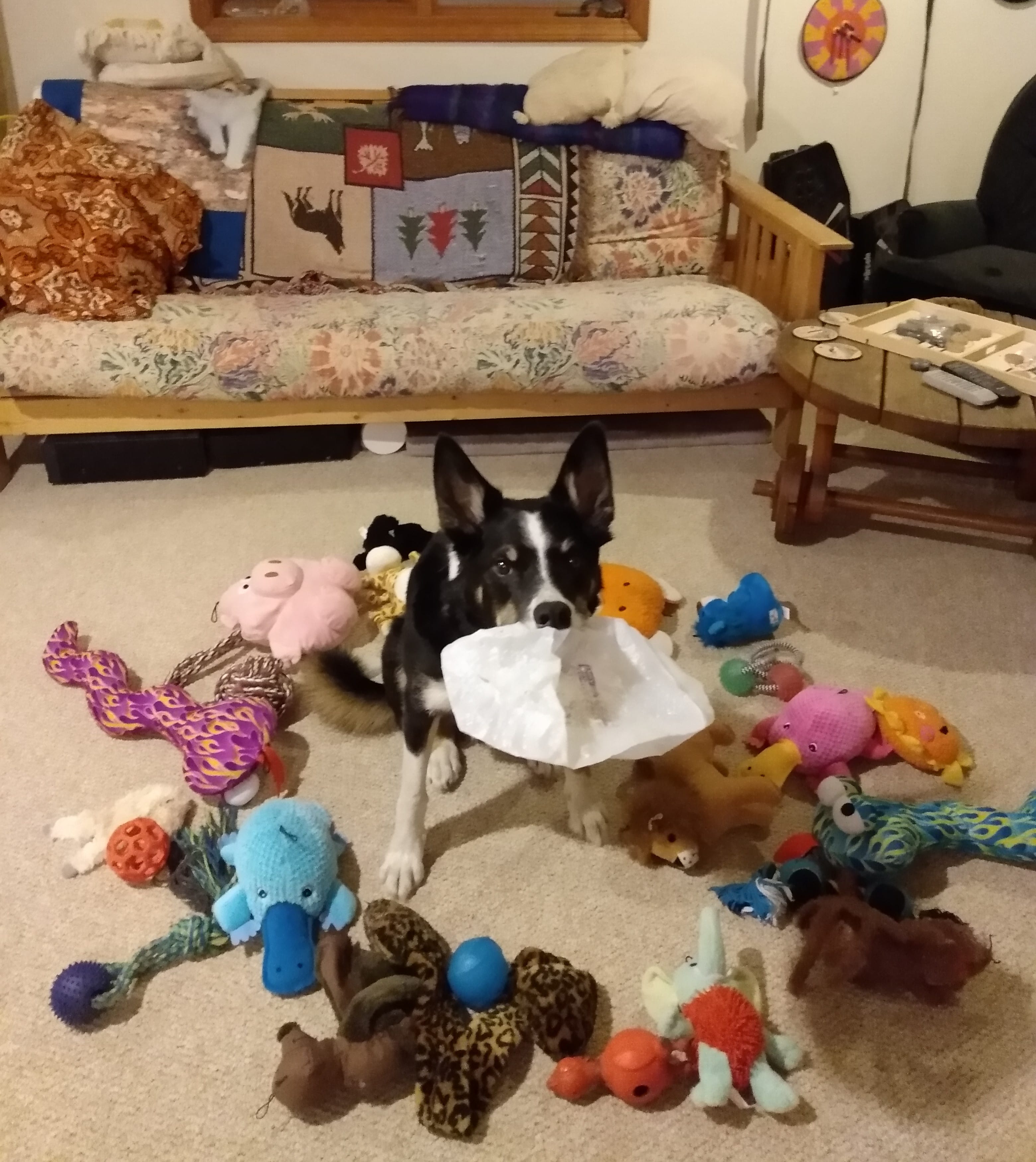
Tock is always ready to play.
Happy Tales!
Obvious question I have for you: What’s your favorite game?
Less obvious question: If you were playing an RPG of your life (or your writing, or whatever), what would your character’s name be?
Where do you sit on that lifelong seesaw of work and play?
My husband and I differ in a lot of ways, but there’s one area in which we are extremely similar: we’re prone to becoming maniacally devoted to the job at hand, whatever it is. Could be cleaning, chainsawing, or computer work. Could be fixing some broken household item, painting the bathroom, playing Scrabble, boating, or brush cutting. Once we start doing something, we want to keep on doing it until it’s either done or as perfect as we can possibly get it.
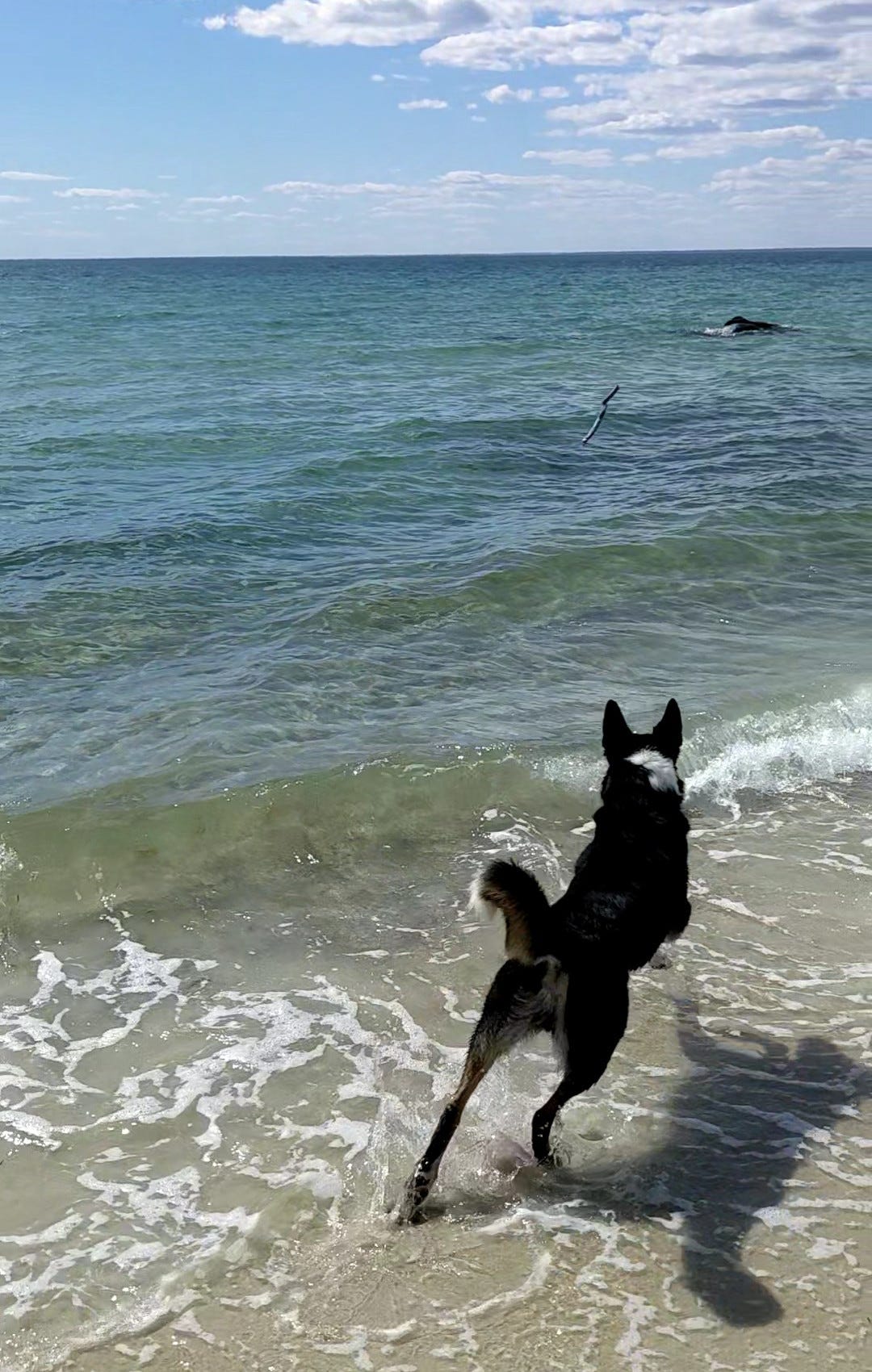
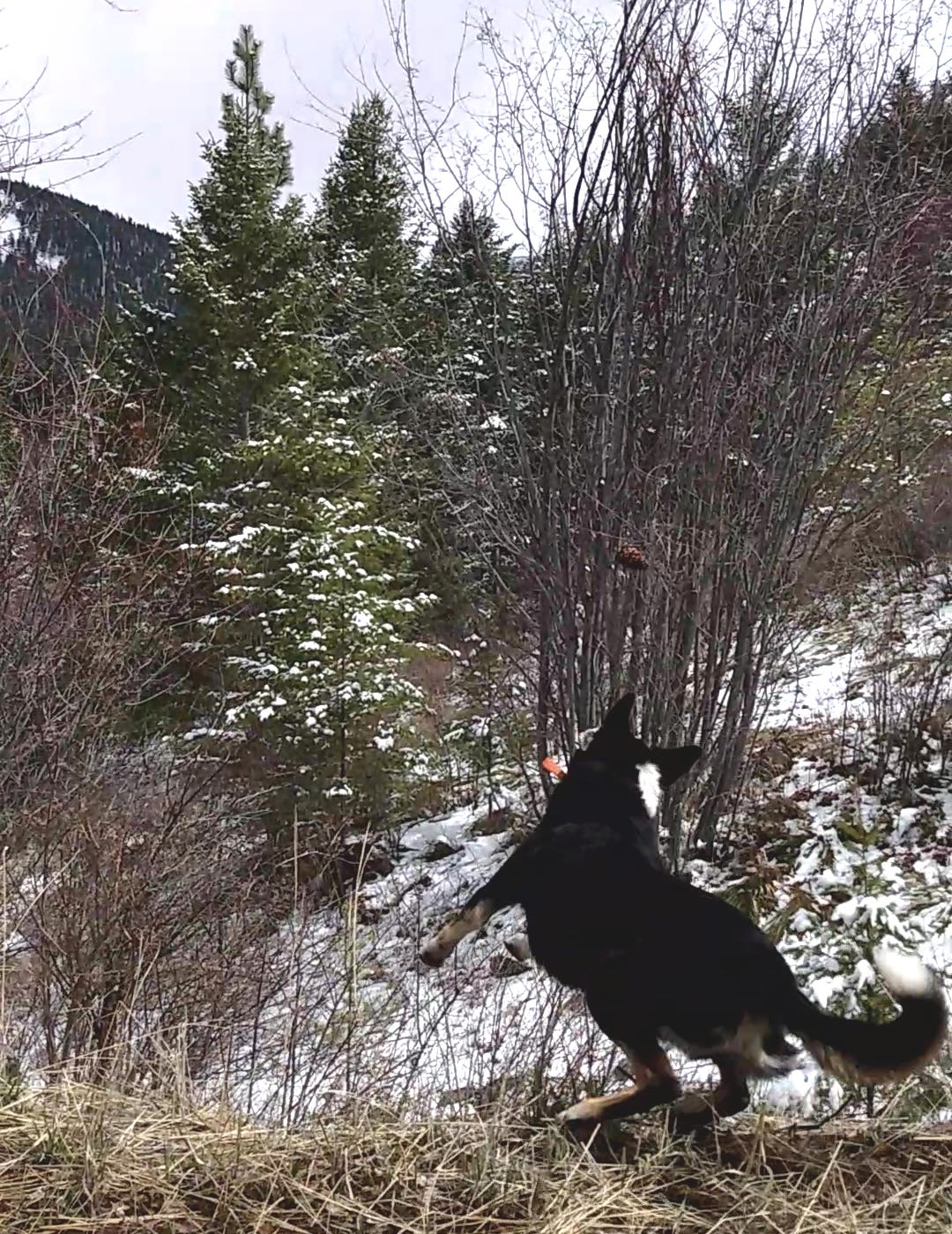
I call these behaviors Border Collieisms. Our own border collie will keep herding as long as there’s anything to herd (in his world, this includes pinecones, sticks, and tennis balls). No matter how hot, exhausted, and frustrated he becomes with a giant stuck stick or a ball lost beneath the couch, he carries on. We do the same, though not with sticks unless it’s to remove them from a trail we’re building.
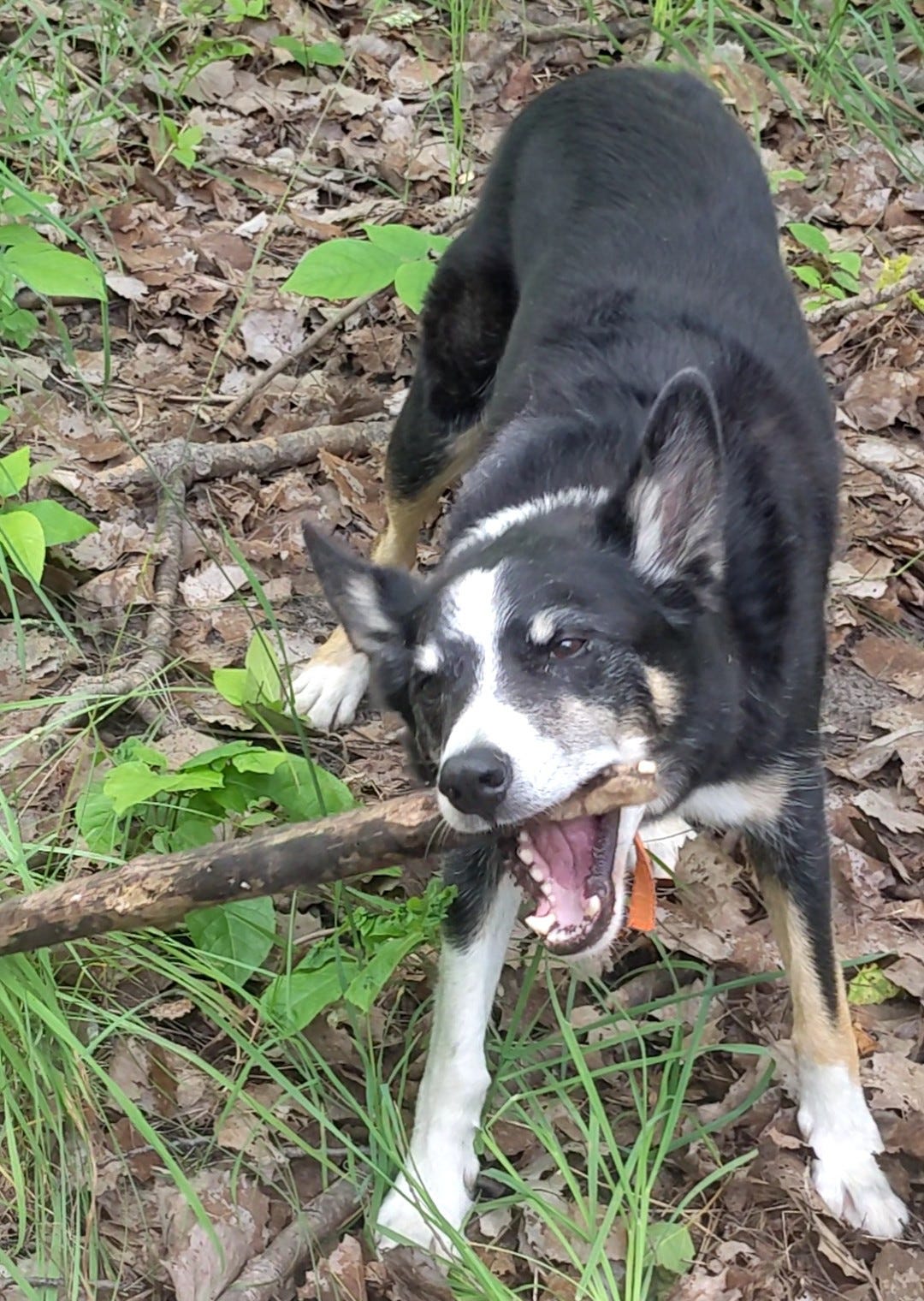
Tock loves trail building. Sticks are constantly flying his way!
I’m not sure whether we wanted a border collie because he reminded us of ourselves—or whether he trained us to become like him. Probably some of both. I’m also not sure whether the Border Collieism tendencies we display are good or unfortunate. Again, probably some of both.
Everyone says that to be happy, you have to find balance. But how is that possible when you seem to spend all your time obsessing over something? Ironically, one of the things I obsess over the most is writing a well-balanced story—one that has even pacing and the exact right amount of world-building versus plot versus character development. So I guess I’m sacrificing my personal balance in the interest of writing the perfect story, right?
Wrong. First of all, there’s no such thing as a perfect story. You can never edit it enough, to the point that every single rough edge is ironed out, every single typo or grammatical error is deleted, and every single reader will love it. Second, what if nourishing my Border Collieisms makes me happy? What if striving over and over to perfect my words in story after story brings me joy?
Tock delights in the anticipation of a big stick.
Because it does. I find nothing so satisfying as the feeling of a job well done, my body physically and mentally exhausted at the end of an arduous day of work. I can’t speak for my husband (whom I think would actually prefer a little less labor and more fun at times), but I know that if my dog could speak, he’d agree with me, one hundred percent.
At the end of the day, a tired dog is a happy dog.
Just like a book at its best will please only a fraction of the readers out there, I think the question of balance is one with a different answer for each of us. The right balance for me is one that would seem extremely unbalanced to a lot of other people. For many writers, in fact, the best balance may tip toward the hard work side of the scale. How else can you ever apply yourself enough to visualize that written world, fully understand those characters, and figure out that plot until everything is spelled out from the first page to the last? How can you ever polish each word, sentence, and scene, seeking out critiques, writing and rewriting until your story shines? The answer is, without a lot of pure hard work, you can’t.
I guess the moral of this little piece is to recognize whatever balance works for you—and then live it. Work hard, play hard, and revel in the Border Collieisms that help you along your chosen path.
Or: How to Get Readers to Relate to Your Characters
How many times have you put down a book because you can’t get close to the main character? Maybe they give no sense of what’s important to them and thus come across as lifeless automatons. Or maybe they express themselves, but in a way that makes no sense.
This robot actually has a lot more life to it than some characters I’ve read. Photo credit: Rock’n Roll Monkey.
Worse, how many times have you gotten a query rejection in which an agent tells you they don’t find themselves invested in the protagonist? And you’ve wondered what is wrong with your writing? Are you really that terrible?
Both of the above-mentioned scenarios have happened to me. Tthe first not as much because I tend to plug away at books for far too long even when I’m not enjoying them. But the second thing—the professional rejection—has occurred more times than I care to admit.
I could use the excuse that writing is a subjective business and some agents simply don’t like my style. I do tend to write strange stories, with quirky characters set in strange worlds and situations. But if reading hundreds of books over the years has taught me anything, it’s that even when a particular genre of story or style of writing isn’t my favorite, I often can relate to the characters within it.
So what’s the secret? How do we get readers to “fall in love with” our protagonists?
We might as well ask: How do we fall in love with a new dog? (don’t worry, Tock. You are our One and Only for many more years yet. I hope). Puppy cuteness aside, many new dogs are a lot of work. They might be fully grown with their own personalities already set. They might have behavioral issues that make them difficult to handle. No matter their age, they are most definitely not a replacement for our other dogs. Each one has unique traits, and it can takes some time to get used to them.
Unlike our previous dog, Tock has only a few precise times of day when he will allow himself to be cuddled. It can be hard to wait!
What is it, then, that causes us to take that new creature into our home? To essentially sign a contract that says we will commit to the care and well-being of this furry beast for the rest of its life?
The answer, I believe, comes down to a way of being a particular dog possesses that makes us empathize with it. Think about the first time you gazed upon that litter of puppies, or on that one animal out of dozens or hundreds at the rescue facility. My husband and I still remember spotting our first dog, Tenzing, at the Humane Society. The little guy sat alone in a corner, clearly overwhelmed by the barks echoing from the cages around him. But the thing that drew him to us in an instant was the way he searched our faces, his chocolate eyes switching back and forth from one to the other of us. Clearly, he was trying to send us the telepathic message: Are you my parents? Will you get me out of here?
Tiny Tenzing
We adopted him in minutes. If he’d been in a book, I would have read past the first page. And by the time I finished Chapter One, my bond would have been so strong that I’d have kept turning the page to the end.
When agents talk about falling in love with a character, my guess is they’re expecting some sort of spark on that first page. By the completion of the first chapter, for sure. Unlike getting used to a new dog, we don’t have the luxury of months when introducing readers to our story. We need something fast.
We need to generate empathy!
One of the most tried-and-true methods for producing empathy in readers for a character lies in the Save the Cat method (see the many books by Blake Snyder). This is when a character demonstrates something warm-hearted, likeable, or thoughtful about their personality. They might literally save a cat stuck in a tree, or they might simply display a way of thinking about something that indicates they’ve got an ability to feel. We readers understand that even if the character seems pretty screwed up, they’re not all bad.
Photo credit: Braedon McLeod
To me, generating empathy lies in a combination of action (e.g., Tenzing’s eyes darting back and forth), thought (it was pretty obvious what he was thinking), and dialogue (it was too noisy to hear him, but it’s entirely possible that he was whimpering or at least snuffling a little). The trick is to put a bit of this on Page One, like sprinkling seasoning on a soup, and then add more as the story progresses. This will enable your reader to relate to the character in some small way, and to feel as though they’re developing a relationship with them.
But what about the rest of the story? How do you maintain that trust? No matter how endearing a character is initially, a reader’s only going to want to stick with them if the things that character does, feels, and says make sense in the context of their life. And not only in the present, but in their history. Their backstory.
Figuring out a character requires lots of thought.
You know how sometimes you do things that you wish you hadn’t—and you don’t know why? Or you suspect something happened to you in the past that messed you up—but you can’t quite figure out what? This is often true of a character in a book, too. The difference between real life and fiction is that in a story, you the author need to understand precisely why your character is acting, thinking, or speaking a certain way. You need to know that character better than you know yourself. Bit by bit, you can then impart a character’s historical context to your reader so they’re not completely befuddled by what the character is doing, saying, or thinking.
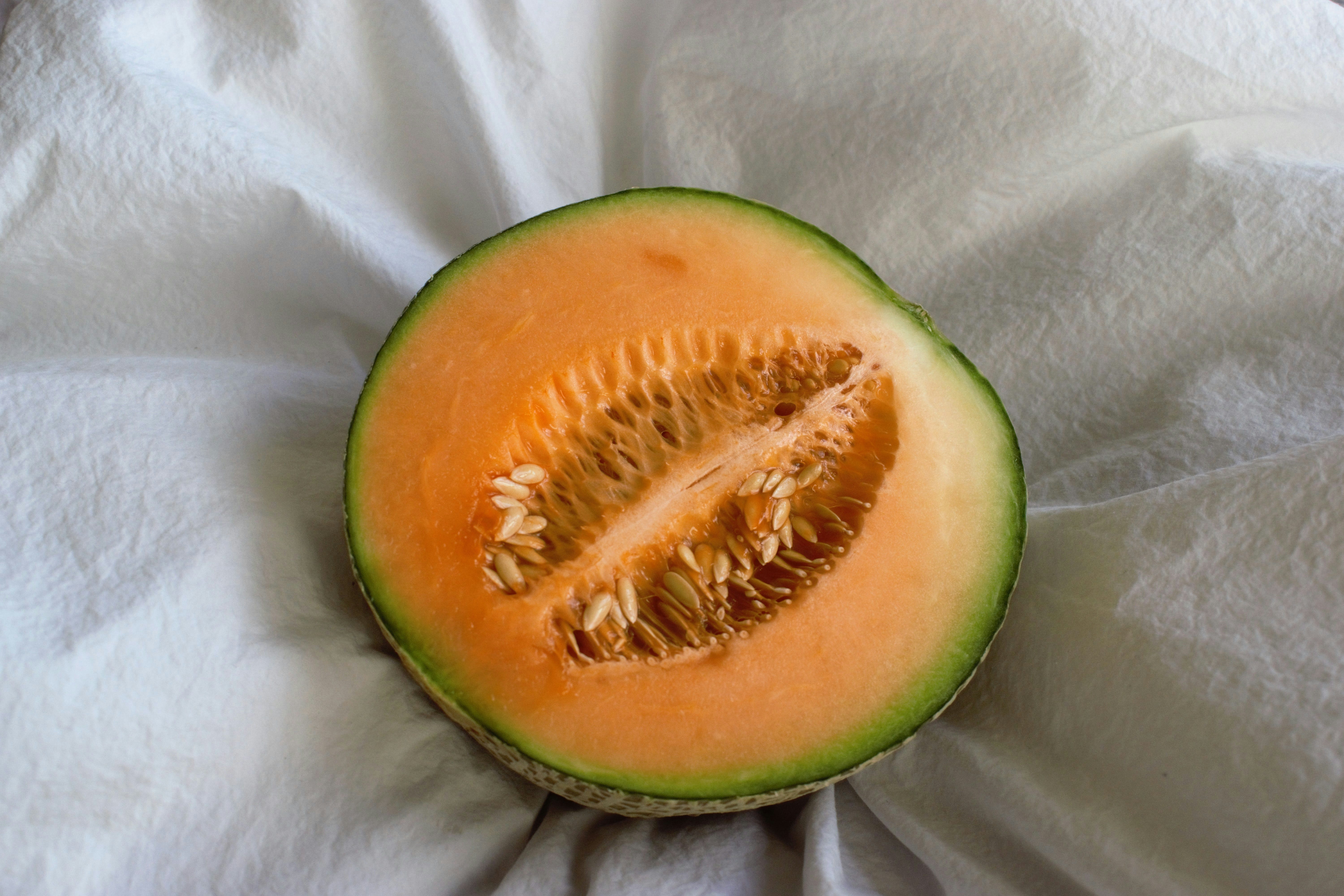
There are a lot of things I still don’t understand about myself. I don’t know why I have a revulsion to the sight of rows of seeds in a cantaloupe or rows of scales on a fish (actually, I think it’s at least partly genetic, because my son has it too. He’s the one who told me it’s called Trypophobia). I don’t know why I frantically yank at my coat if the zipper gets stuck (actually, I think it stems from accidentally locking myself in a closet at age four and developing a fear of tight spaces). Self-analysis aside, I truly don’t know why I feel like I have to apologize for everything, or why I need to work every second of the day until I collapse in bed and finally allow myself some time to read.
This perfectly fine picture makes me cringe. Photo credit: Martin Moore
As a dog owner, on the other hand, I strive to develop a thorough understanding of my dog’s personality and actions. Tenzing, for instance, began growling at children after an incident in which he was snorkeling for pebbles in a pool (one of his favorite pasttimes), and a group of schoolchildren surrounded him and began “helpfully” tossing stones at him. This terrified him, and though I pulled him out of the situation quickly, he’d made an unforgettable association between children and danger. It’s especially tricky with an adult rescue dog, for whom you don’t know all the things that contributed to their strange and often defensive behaviors. But by watching them closely or knowing a little of their history, you can make some strong conclusions about what might have led them to a particular mannerism. We knew our dog Moth had been forced to spend the first years of her life in a basement, and as a border collie must have been desperately bored and looking for work. I believe this explained her obsession with light spots on floors and walls. The poor thing would jab at them until her nose bled, so we had to make every effort to keep her away from them (and provide her with more suitable work in dog agility).
Even near the end of her life, Mothie spent her spare time gazing at light and shadows.
Like a responsible dog owner, a good writer yearns for a deep knowledge of their characters. When I begin a new draft, I work up detailed character sketches, complete with preliminary scenes of emotionally scarring incidents that show how they became who they are in the story. Even with those sketches entrenched in my mind, I invariably discover that my knowledge of my characters isn’t yet full enough. I have to step back from writing and think some more. Why are they acting the way they do? Saying the things they say? Enduring those thoughts that keep running through their heads? Only by knowing their inner histories can I write my characters in a meaningful way—and a way that generates empathy in my readers.
How about you? Do you toss books down in frustration when the protagonist isn’t relatable? Have you ever gotten one of those “can’t quite relate” query rejections? Here’s hoping our next attempts draw readers in rather than push them out.
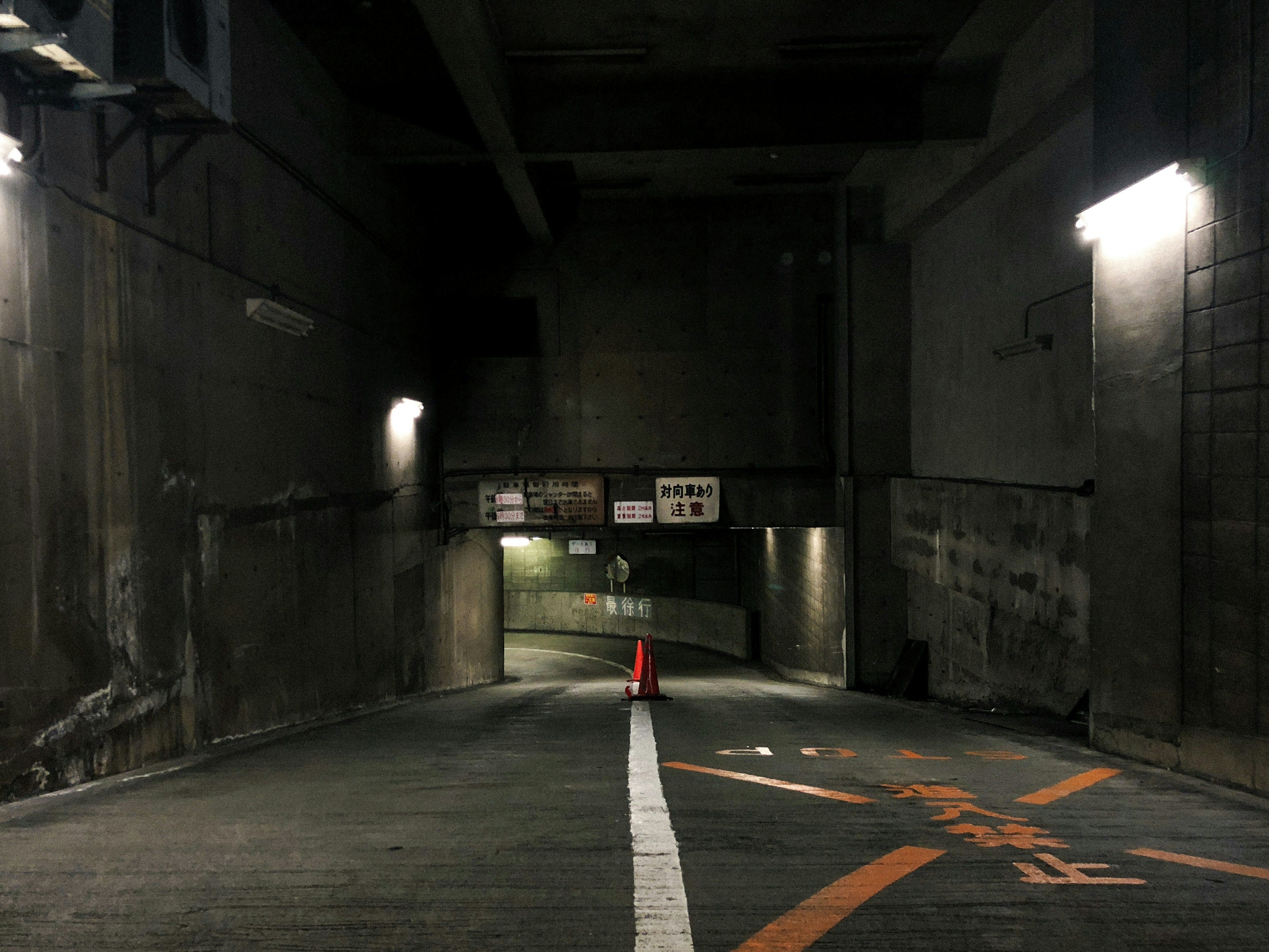
More than three months after embarking on my own Hero’s Journey, winnowing the innards of a house down to the most crucial ones, packing those up, enduring Covid for the first time, bidding farewell to friends and students, mountains and pine cones, selling the house and buying another one thousands of miles away, the process of unpacking interrupted by five visits to emergency rooms and twenty-three days in three different hospitals (not me, but someone beloved to me), navigating big-city traffic and a claustrophobic parking garage with not nearly enough spaces, circling around and around in the dark, wondering if I would ever have time to write again, certain each day was a new low point, wondering if I would write again even if I had the time … after all these difficulties, my hope for a new life shrank from a flame to a spark, from a spark to an ember, from an ember to a faint memory of something bright but unreachable, a fuzzy star on the edge of the galaxy. Some days I don’t think I could remember it at all, in fact.
I was lost.
Photo credit: Nuno Silva
But even though writing became impossible, I never stopped thinking of myself as the main character in my real-life story. And that’s what saved me. It allowed me to look at my situation with some detachment, even amusement at times. We writers aren’t nice to our heroes, and I was the perfect flesh-and-blood example! We’re told to be cruel to our heroes, to keep making situations worse and worse. It’s completely acceptable to shove the poor characters alone into a new land, surrounded by enemies, shivering in torrential gales, uncertain what to do next, plagued by the thought that if they’d only made the right decisions they wouldn’t be in this mess, downtrodden, defeated, despairing. Stripping all hope from a hero makes for good reading, right?
Well, not entirely. It’s true that a strong sense of desperation is critical for the “All is Lost” scene, which typically occurs about three quarters of the way through a story. This scene leaves the hero certain there’s absolutely no way they can achieve their goal. They are one hundred percent screwed, and their hope for any sort of future has one hundred percent vanished. They are primed to enter the “Dark Night of the Soul,” which in story parlance is when everything the hero formerly thought was important to themselves is stripped away, forcing them to confront the truth.
Photo credit: Eberhard Grossgasteiger
But what about the rest of the story? What about all the parts that lead up to this terrible time: the inciting event that pushes a hero into a new world or a new way of thinking and acting, the difficult barriers they must surpass, the people or creatures they meet along the way, the bits of their past that they may either cling to or reject out of hand, the interesting things they learn during their journey? And how about the parts that follow the Dark Night of the Soul: the emergence of a wiser protagonist and the final showdown in which a hero uses their new skills or understanding to achieve some sort of resolution? Should they feel hopeless during these times?
My answer to this question is a resounding no. What allure would any story have if it provides no hope of something the hero can do, think, or say that will lead to a more promising future? Even if those things aren’t what readers would have anticipated or selected themselves, even if the future isn’t the happy ending they thought might happen, we need to feel as though the hero has some agency, some desire to mold the course of events.
We need hope.
Tock is very good at hoping for a variety of things
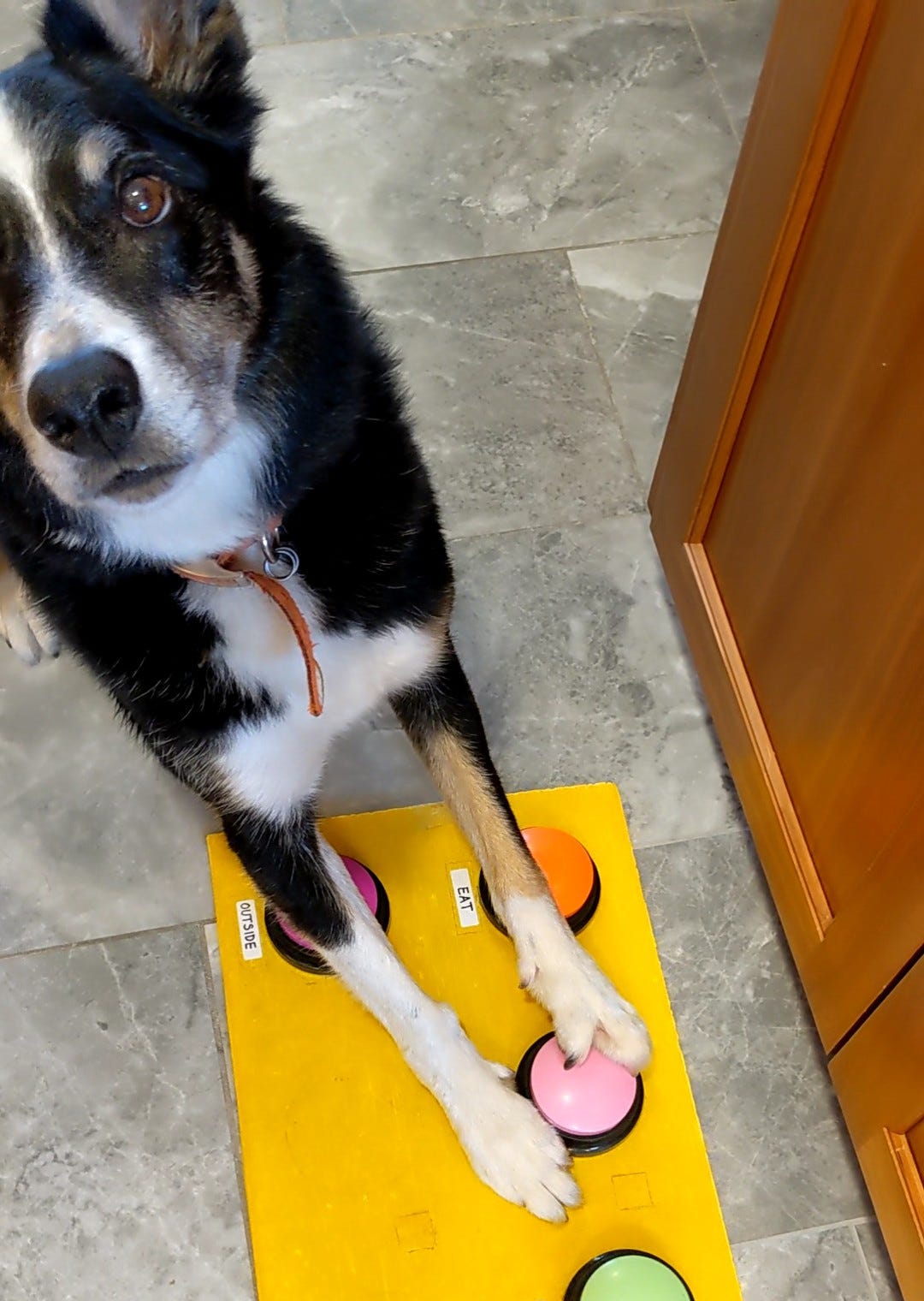
Sure, a string of calamities may grip us and give us empathy for a character — but only to a point. In the big picture, we get tired of characters who flounder endlessly in their own despair and negativity. We’ll empathize better with characters who keep trying. It doesn’t matter that most of their attempts will be misguided and make matters worse rather than better, like those of a hungry dog who paws at its owner’s leg and receives a reprimand rather than a treat. We appreciate that spark no matter the outcome. And eventually (if your dog is my dog), it’ll stop pawing and try something else, like staring at the treats on the counter, or pressing one of its talking buttons, and it’ll get a reward. Maybe not a treat, if the dog fails to press the “eat” button, but something equally interesting, such as a trip “outside” or “play” with a favorite toy.
Tock accidentally presses “Love You” instead of “Eat,” which will result in a head scratch rather than the treat he was expecting.
Dogs are true masters of hope (as for me, I hope you knew I was going to get to dogs eventually). Though they’re not striving for some overarching goal that’s going to change their lives or the world, they demonstrate hope for simple things every single day. I can safely say that in addition to compartmentalizing my troubles into a Hero’s Journey format, the act of witnessing (and helping) my dog achieve his desires for food, walkies, and play has helped me through my own rough patch. He’s a fabulous example to me of how to write a character that never ever gives up. He reminds me that hope nourishes a story rather than the other way around.
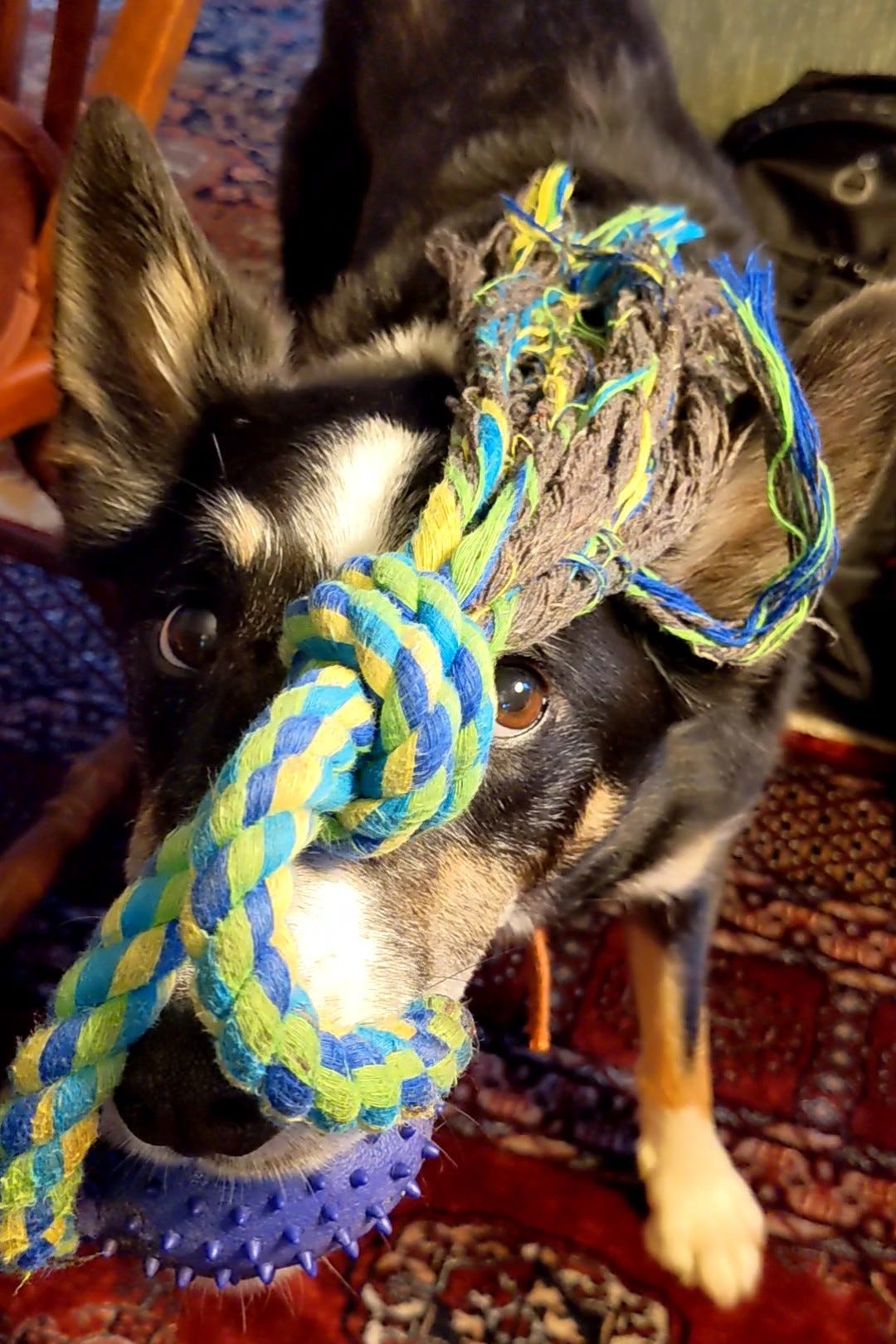
And so, as I make some tentative forays back into the writing world, I will cradle that hope in my palm. I will nurture it from a memory to an ember, a spark, a flame. I will cherish my life as much as those of my characters, and I will remember this every time my dog tells me he wants his breakfast, or a romp in the woods, a swim in the pond, or a tug-of-war game with a favorite toy.
How about your characters? Do they give up too easily? What helps them to keep going? And how about you?
Or: How Your Character Can Keep Things Interesting
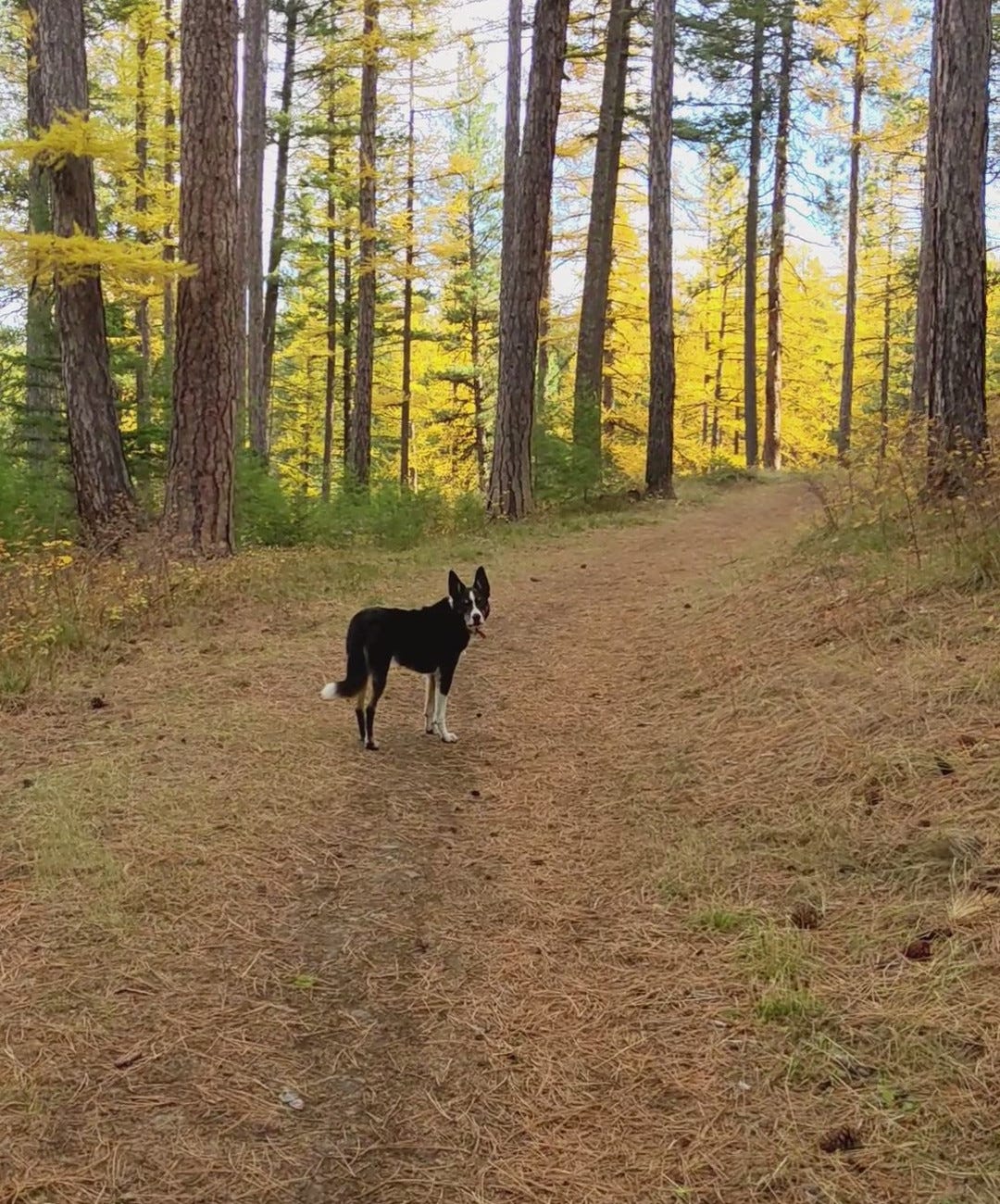
When I’m walking with only my dog for company, as I usually do, I become lost in thought. My feet trace the circuitous paths they’ve taken so many times, while my brain goes off on whatever wild tangents it chooses: What am I going to do about that plot hole in my WIP? … that was such a funny story on the radio … better remember to add red pepper to the grocery list … how can I make my antagonist more villainous? … what exactly are we going to have for dinner—
And then Tock barks at a squirrel and I return to full consciousness, back in the present. But unless I’ve made it out of the trees to a place with a view, the strange sensation of having no idea where I am sometimes sweeps over me.
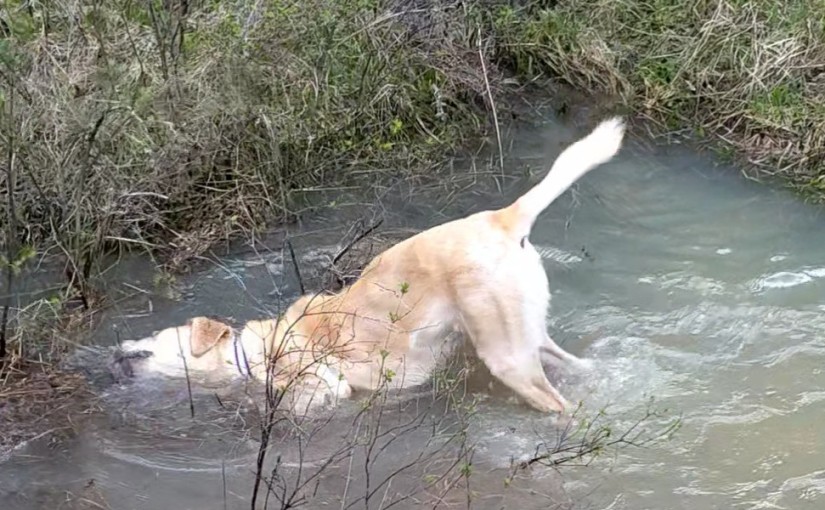
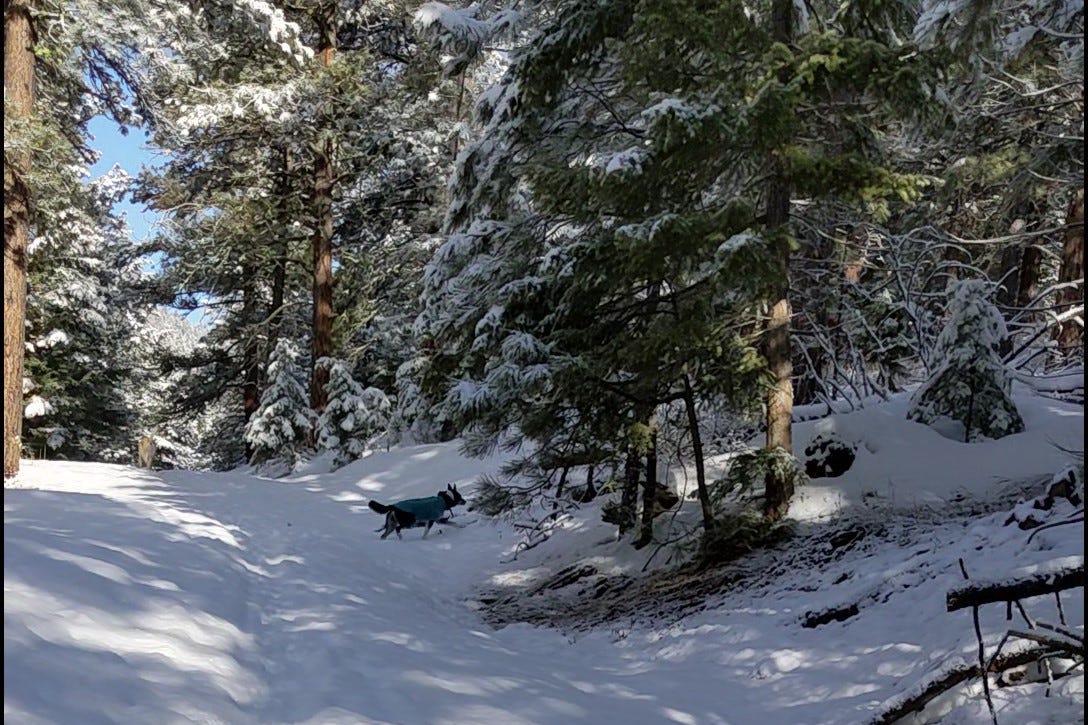
Let me put your concern that I’m a victim of amnesia to rest. I always know which general trail system I’m hiking in. Based on how sweaty and tired I am, I also know whether I’m still heading up to my destination or down toward the trailhead (except for the rare flat bits, it’s gonna be one of those two things). But the trails in the woods near me are plentiful and have a way of looping, branching, and re-connecting as if they can’t bear to stay apart from one another for too long. Every now and then while I’m in my semiconscious mode, I’ll even follow my dog into a wrong turn—not because he doesn’t know where to go, but because he enjoys taking little detours to explore scents or find an especially big, prickly pine cone for me to throw for him. On a wonderful walk with my dad (and dogs) once, we were so immersed in conversation that we failed to pay attention at a critical junction right near the trailhead. We ended up actually repeating a large portion of the entire walk before we figured it out (this was a flattish trail, or we probably would have noticed sooner).
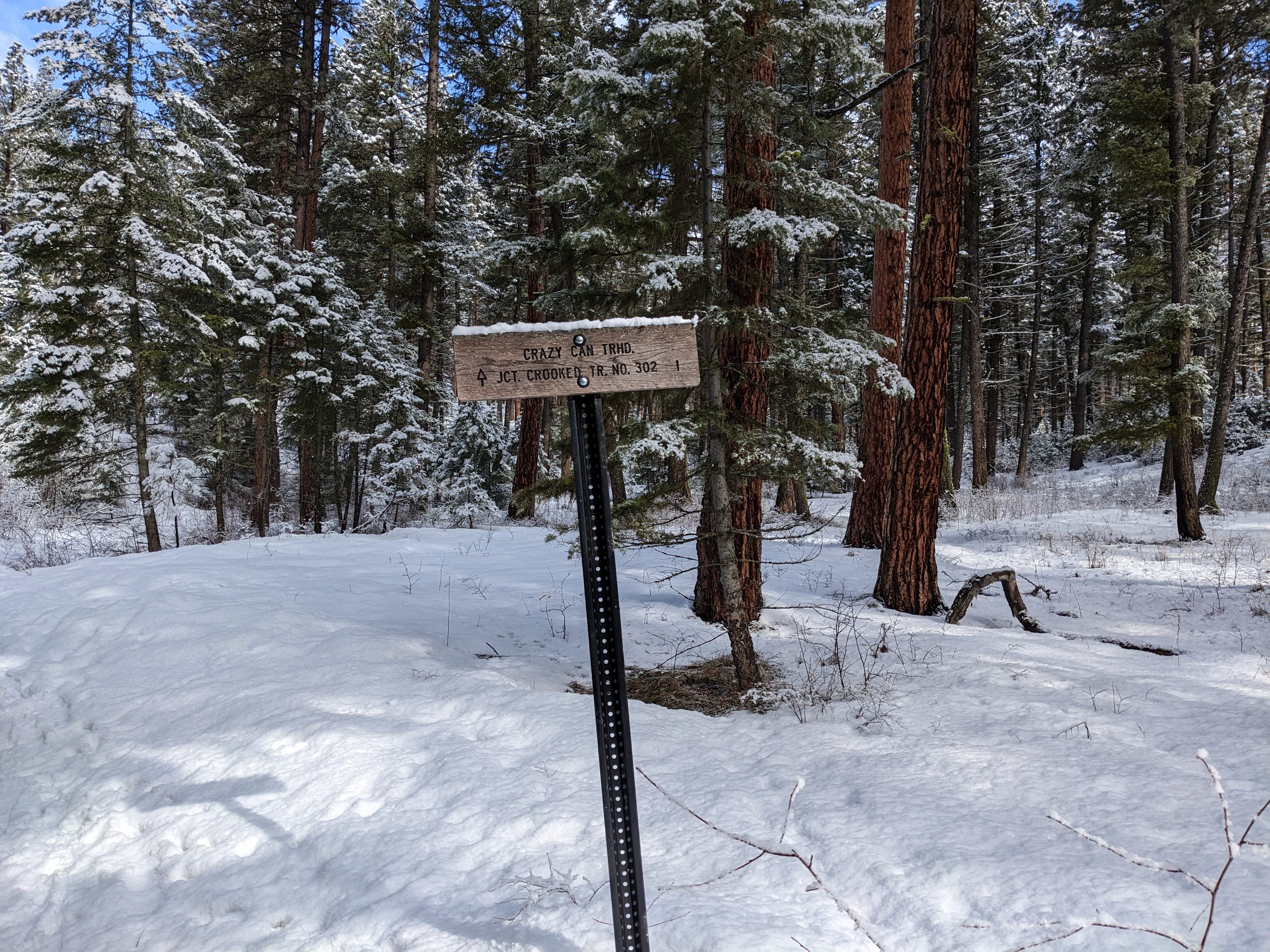
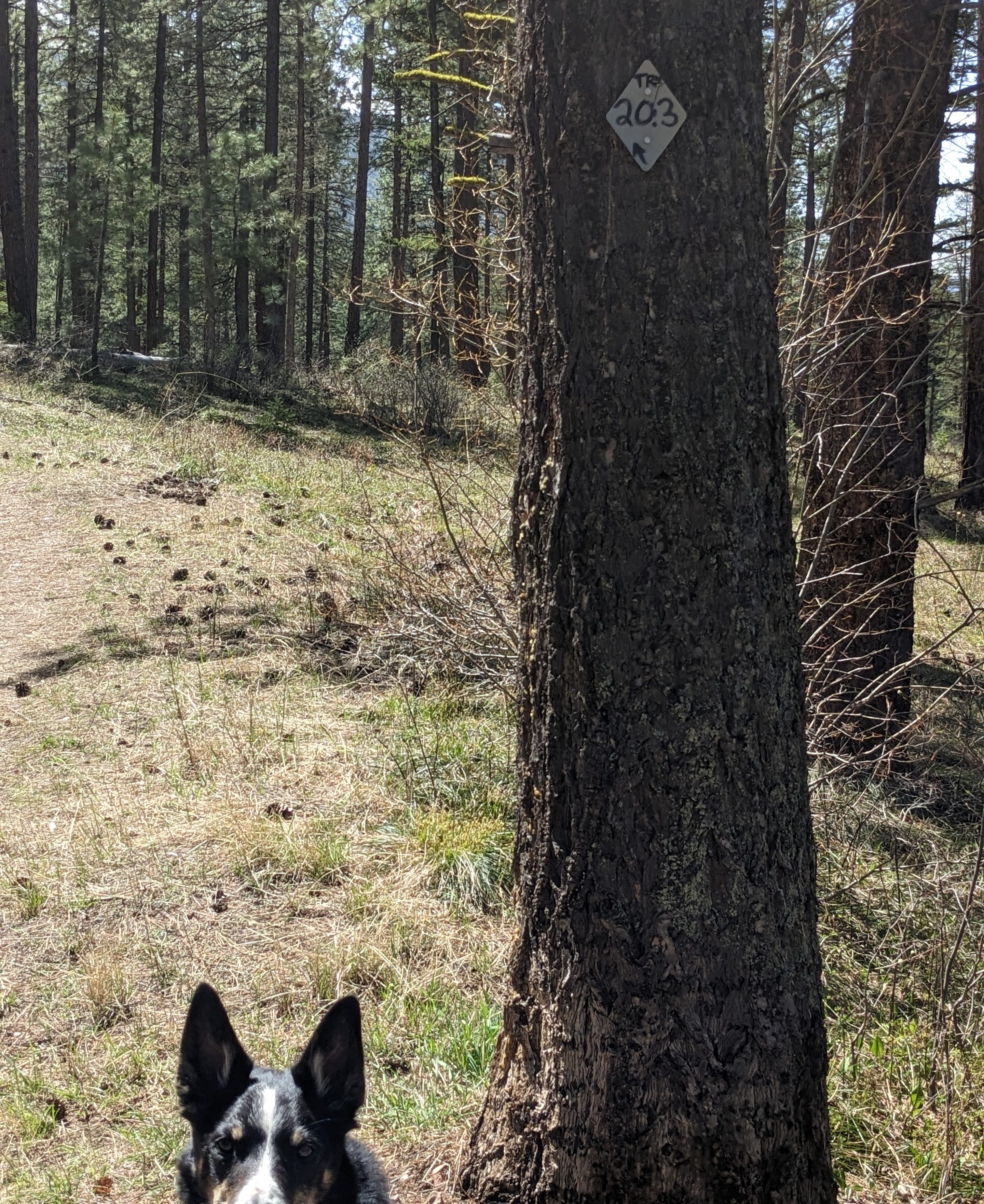
After I’ve “come to” and returned to reality, I tuck my confusion away and simply keep putting one foot in front of the other. I study the plentiful pine, larch, and fir trees on both sides of the trail and the even-more-plentiful needles at my feet, trying to figure out exactly which section of the trail I’m on. Did I pass the third junction already, or am I still on the second? Am I almost back to the car or do I still have a good half hour of walking ahead of me? The occasional trail signs posted on trees are spectacularly unhelpful because they often appear to have been conjured by someone who doesn’t believe in whole numbers.
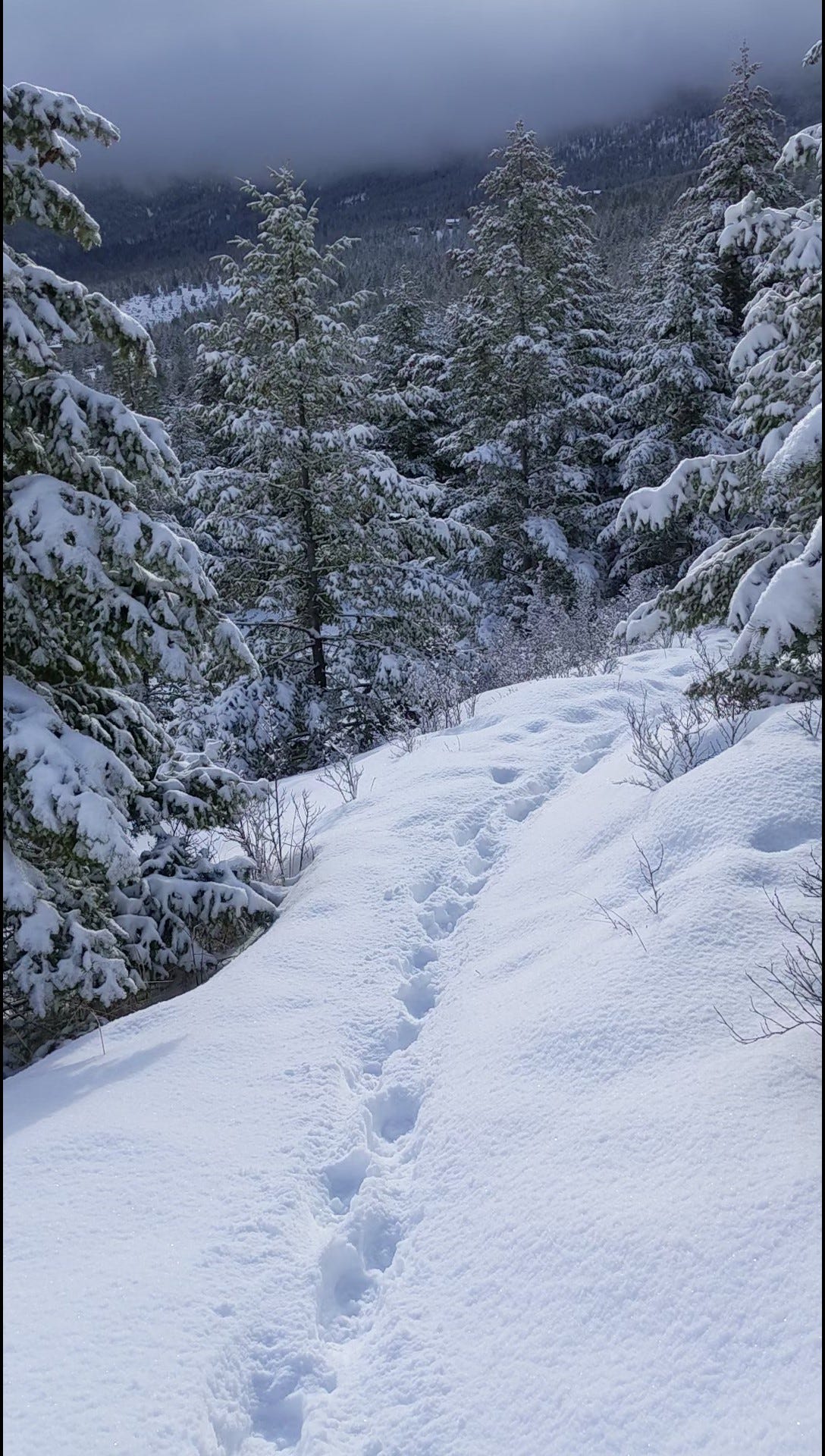
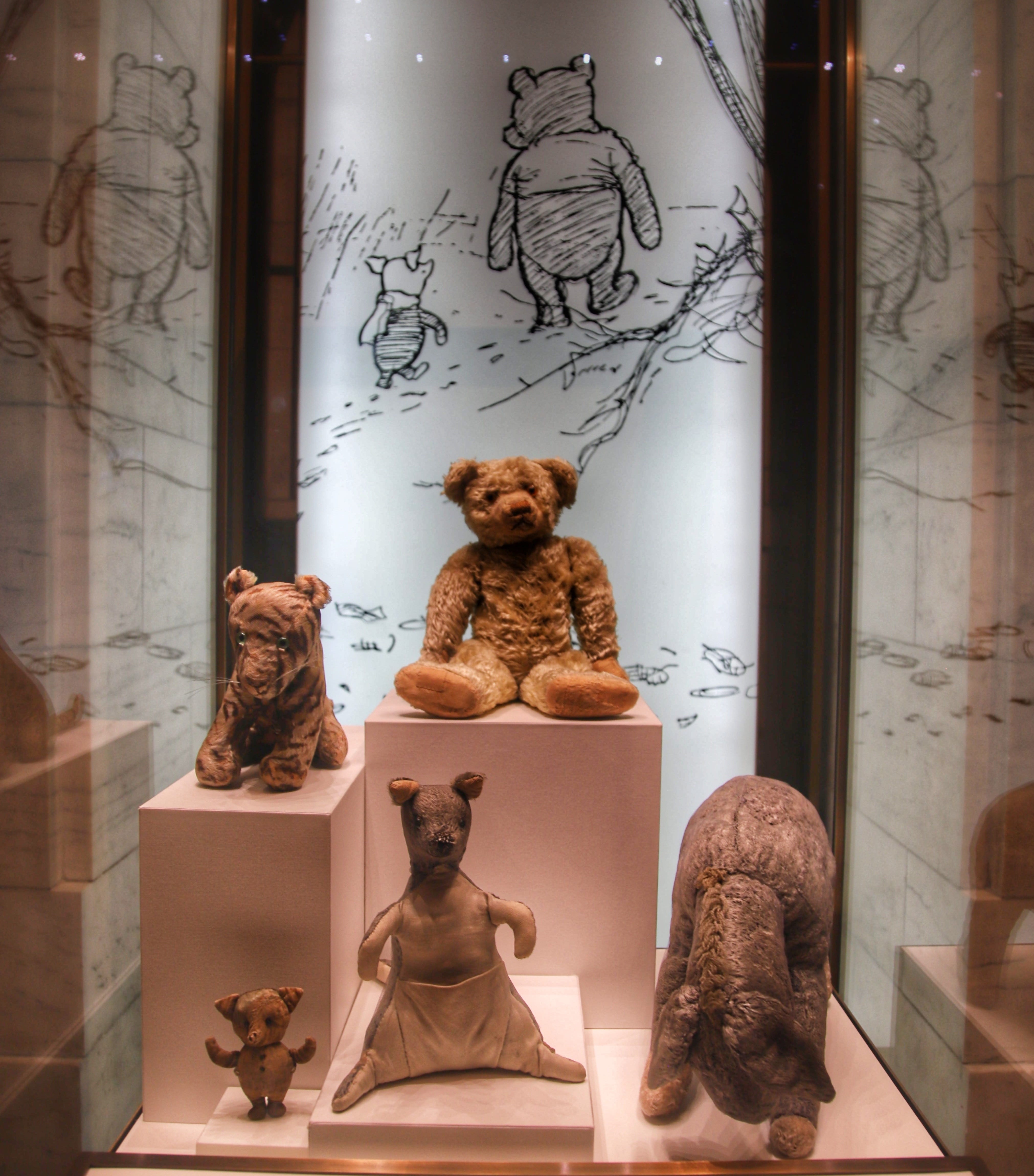
Questions about my location flit through my head, but they don’t alarm me. On the contrary, I revel in the feeling of not knowing, however briefly, where I’m going and what decision I’ll need to make at the next trail junction. I’m on a real adventure now! This chance to walk on an “unknown” path is such a rare opportunity in our GIS-programmed, cell-phone-connected, social-media-spiderweb of a world. On that memorable walk with my dad, I remember looking at the view with new eyes, certain it was a section of trail I’d never seen before, providing a glimpse into an unknown and unexplored valley. I experienced the thrill Winnie-the-Pooh and Piglet must have felt when they stomped around and around the same tree searching for the Woozle, finding more and more footprints the farther they went.
Photo credit: Bernd Dittrich
All too soon, usually before I get to another fork in the trail, my sighting of a particular leaning tree or a hollow stump will jog my memory and snap, I’m back in the 21st century, with a walk to complete, errands to run, and people to see. My pace speeds up and my imagination dims.
But it doesn’t have to. As writers, we are lucky beings. We can allow our characters to take us on the path less traveled every time we whip out our pen and notepad, or sit down at our computer to write. This is true no matter whether we write free-form, with no idea what’s going to happen until the words start to flow (aka “pantsing”), or whether we prepare a detailed outline, with all of our plots, subplots, and setting and character details listed before we write a word of the story (aka “plotting”). In either case, all we have to do is follow our characters when they exhibit an inclination to head somewhere new.
I’m a fanatical plotter. I spend at least a month preparing an outline for a new novel. But my characters—sometimes the protagonist, sometimes secondary figures—never fail to surprise me by taking directions I didn’t anticipate. All I have to do is stay relaxed and keep my organized conscious mind out of the way long enough that I can listen to them. And if they choose to detour for just a moment from the reality of the plot, or if they head off on the path overgrown with weeds, I’ll walk right along behind them.
It’s possible it’ll be a dead end, and my characters and I will need to backtrack to the plot I’d already envisioned. But on the way, you can bet we’ll see some fascinating things and we’ll learn a little more about one another. We might even receive a jolt of adrenalin from looking at the view in an entirely new way, counting two Woozles instead of only one, or maybe, frighteningly, two Woozles and a Wizzle. When I return to my outline, I’ll happily revise it to accommodate this new vision for my story. It’s always more interesting than the one I started out with.
So my questions for you, Dear Writer, are these:
1. Which way will your character take you at the next fork in the trail?
2. Will you let your guard down long enough to find out?
3. And if it’s the path less traveled—will you allow yourself to take it, too?
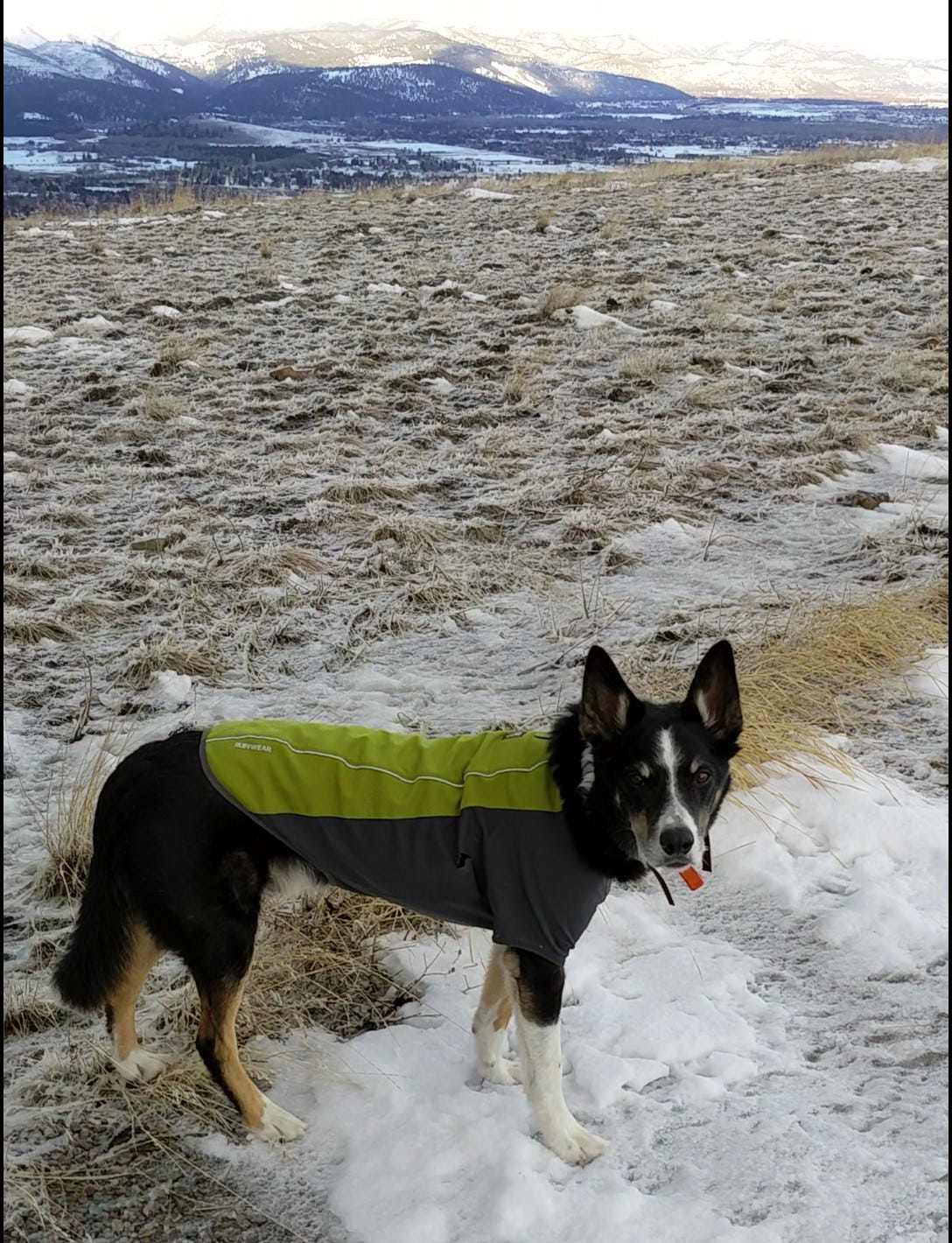
You might think I’m a fashionista based on how much I like to dress up my dog. Trust me, his clothing is for functional purposes only. Tock has short fur and in below-freezing and snowy conditions, he starts lifting up his paws from the cold if he’s not wearing a jacket. And as for the fact that he currently owns five jackets, this is because all but one were inherited from the dogs in our household who came before him.
But when I think of Tock, I don’t consider what jacket he’s wearing, or if, in fact, he’s wearing anything at all. Instead, I recall the intent expression in his eyes as he switches his gaze back and forth between me and the object he wants me to throw. I think of his confidence when his ears and tail are upright, or his fear when he runs up to me, ears pressed back, tail between his legs. His boastfulness (and naughtiness) when he leaps up on me to show off the latest pinecone in his collection. His happiness to see me when he “grins” as I come in the door. His obsessive desire for toys exhibited by pawing at something, though often the thing he’s pawing isn’t the thing he actually wants. His desire to be as big a pest as possible and get me to pay attention to him either by standing at my elbow while I’m typing, or by diving between my legs while we’re on a walk. I’m not sure what he’s thinking when he sings along to my son’s clarinet and saxophone, but he’s adorable nonetheless.
“I’m so happy to see you!”
In short, my dog is way, way more than just a jacket. He’s got more aspects to his personality than he has nicknames (thirteen at last count, way too corny to share). All of his actions and feelings add up to make him who he is: the incomparable, totally unique Tock.
I hope all this talk of Tock has got you thinking about the characters who are important in your own life. Of course, if you’re a writer, this includes the cast of people, animals, and possibly other creatures that occupy your stories. By making them unique, you’ll turn them into personalities that readers will fall in love with and will never forget.
When I reflect on the book characters who are most memorable to me, certain aspects of their natures stand out. The spirit and love for family that young Joseph Johnson displays in Dan Gemeinhart’s Some Kind of Courage. The courage and resourcefulness of the “skinjacker” Allie in Neal Shusterman’s Everlost. The loyalty of Tock in Norton Juster’s The Phantom Tollbooth. (Yes, I named my dog after him.) I could go on and on about characters in lots of Middle-Grade books (the genre in which I write), but it’s true for all the other genres I enjoy reading as well.
My favorite kid book ever, largely because of its extraordinary characters
One thing is constant. Even if I last read a book years ago, the thing I remember most about its characters is their temperament: those parts of their nature that make up their identity. I have no recollection of what they looked like (well, except for the dog with a giant clock embedded in his side. Kind of hard to forget that). I don’t remember what sort of clothing they wear, the color of their eyes, the length of their hair, the shape and size of their body—unless these things featured in some important way in the plot.
NOTE TO WRITER SELF: Avoid description of what a character looks like unless absolutely necessary! If you must, include the briefest possible mention of it. Concentrate instead on how a character acts and speaks.
To be fair, I must return to the subject of dog jackets. Tock’s puffy red one, for instance, has special significance to me because it used to belong exclusively to his older sister Moth. By the time she died, the zipper was broken and the whole thing really wasn’t functional anymore. Yet I couldn’t bring myself to throw it out because it made me feel as if I were losing Moth all over again. Not only is it quite useful for Tock as an inner layer when the temps dip into the teens, but putting Tock in it made me feel a lingering connection to my dear departed girl. And who knows, maybe he retains some fleeting memories of her every time he wears it, too. So when my husband (a master sewer in addition to being a master engineer) replaced the zipper and gave it to me, it was the best present I ever got. That jacket is much more than a jacket. It’s a symbol.
The red jacket reminds me not only of Moth, but of a time when all three of my dogs walked the woods with me.
SECOND NOTE TO WRITER SELF: Symbols can include items of clothing, along with many other things.
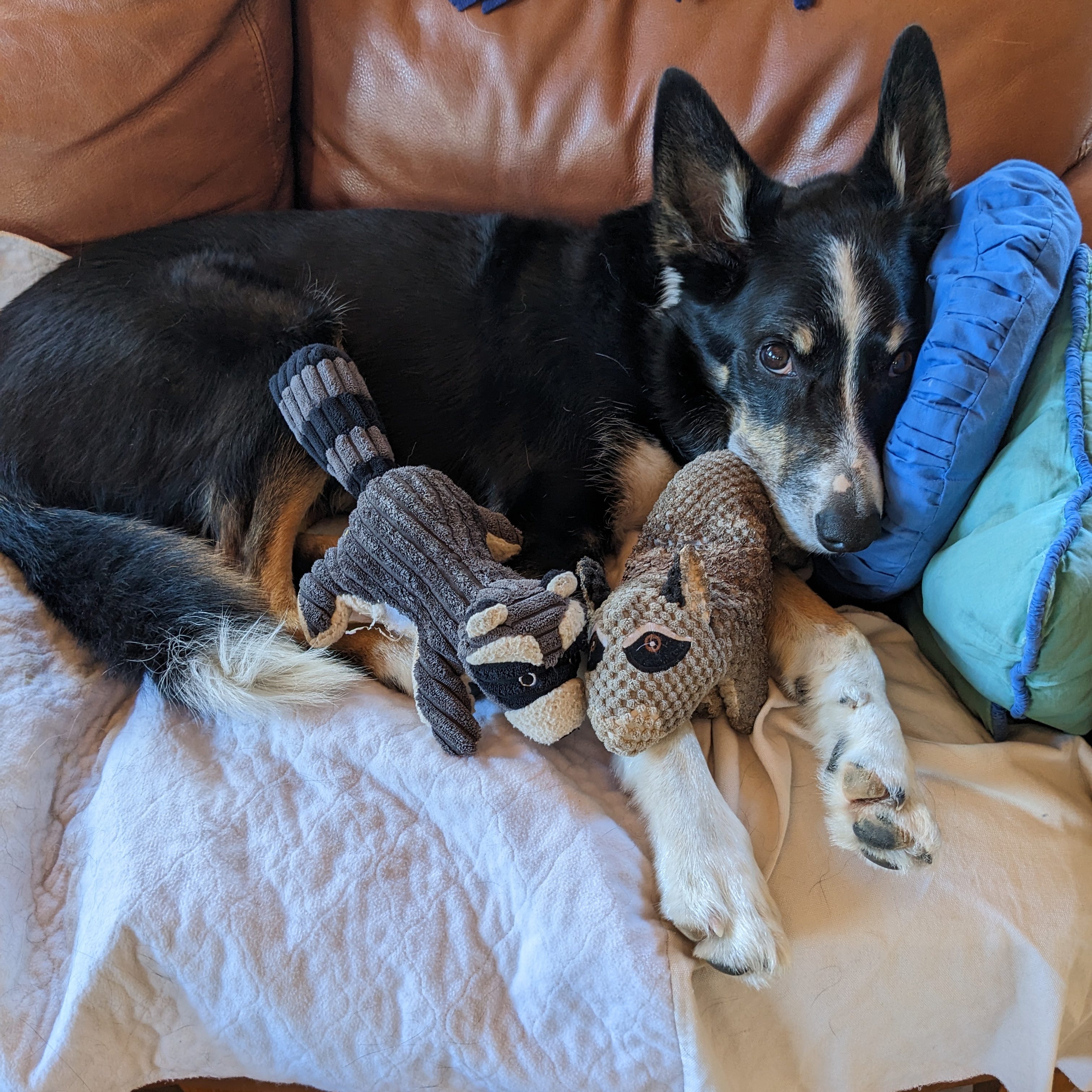
Oh, come on, you might be thinking. Do dogs really understand symbols? Now that Moth’s scent is long gone from that jacket, Tock may not think of her anymore when he wears it—but I sure do. And be assured that Tock has plenty of other symbols in his life that he does understand. His pinecones, tennis balls, frisbee, and sticks all symbolize “work.” His rubber chicken, squeaky balls, and fluffy toys symbolize “play.” His bedtime racoon squirrel symbolizes “comfort,” as do the pillows he likes to rest his head upon. His button board represents a selection of the words that are most important to him (note: the ”Love You” button is wishful thinking on our part, as Tock only likes to engage in affection for about five minutes per day, total). As a whole, these things represent Tock and his world, and if I think of any one of them, I immediately think of him.
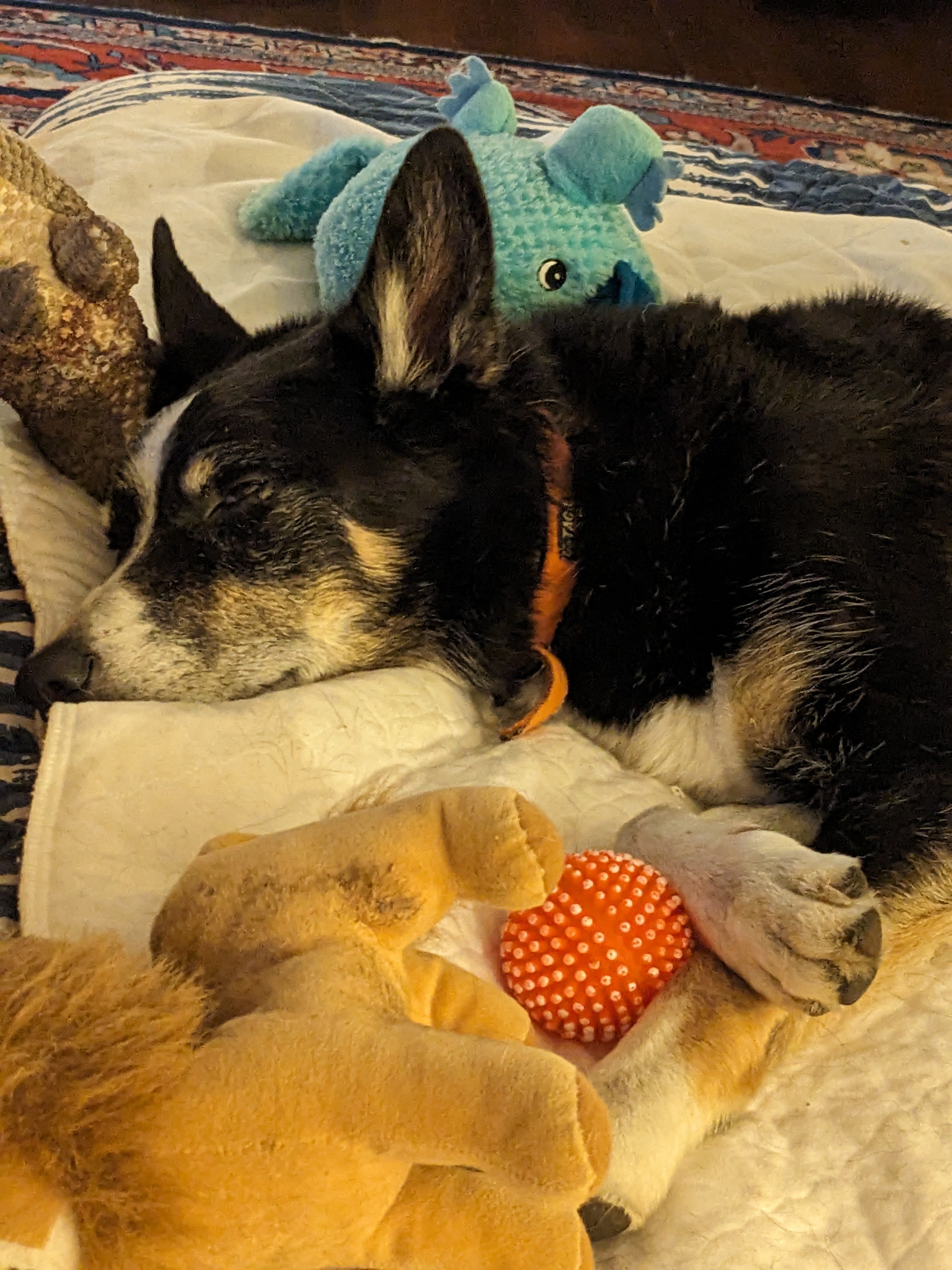
Here reclines the “Prince of Pillows,” along with Racoon Squirrel and its less successful replacement, Rocket Racoon.
So when you craft your characters, make special note of the things that are important to them, of the physical mannerisms they engage in when they’re feeling a certain way, of the way they speak to others and the way they think to themselves. To quote Salman Rushdie, characters are “inexhaustibly interesting.” But it’s up to us to write them into a three-dimensional reality that’s as full as it can possibly be.
If my dog yips or twitches when he’s got his eyes closed, I can be fairly certain he’s dreaming of chasing something. Other than that, I have no idea. Thank goodness I have the power to reveal this sort of interiority in my characters.
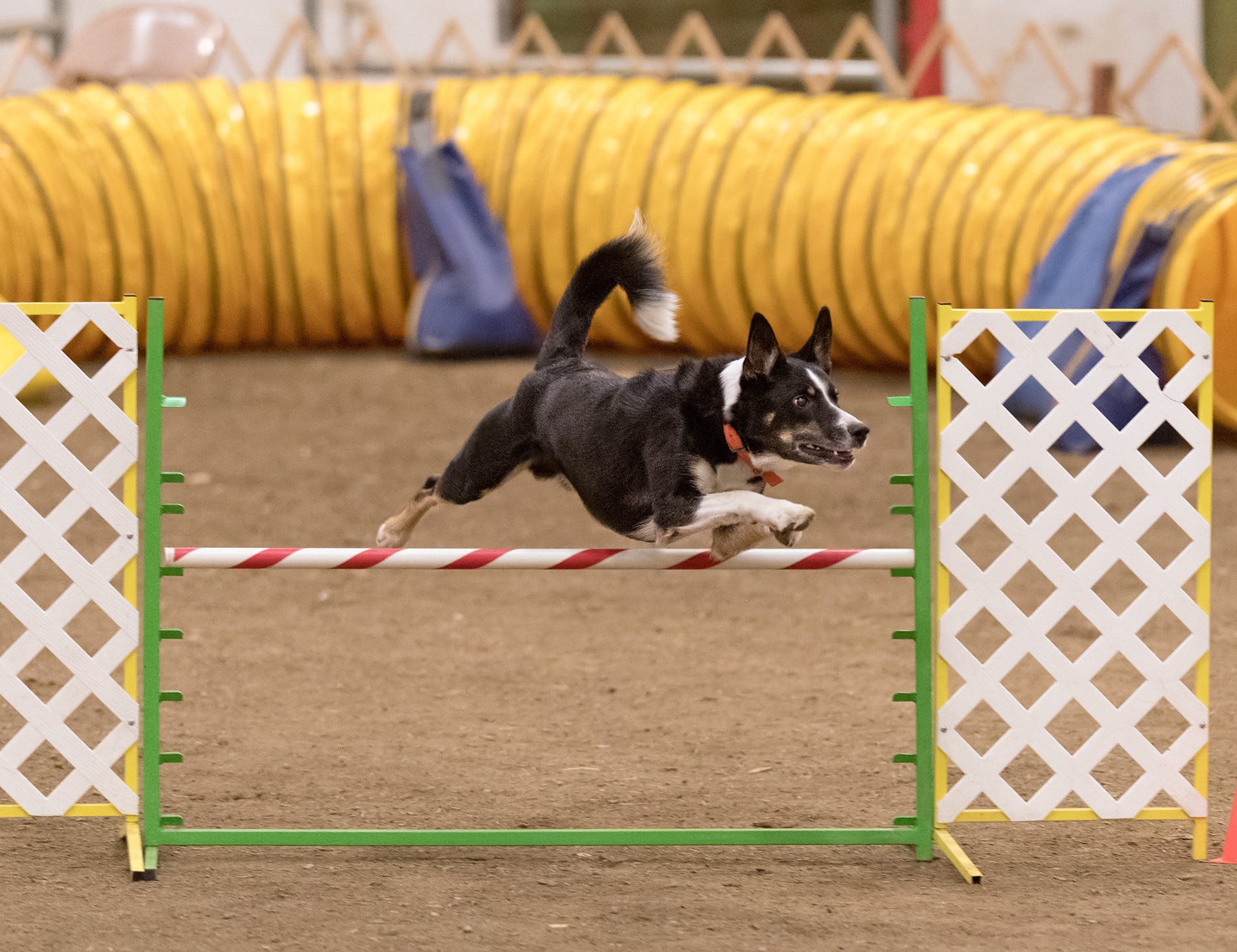
My dog does lots of things with confidence. He performs agility obstacles at high speed, he races through the woods and leaps in the air after pinecones, he willingly meets people and most other dogs—especially old border collies, and he’s only a little bit scared of sheep (okay, I know that’s weird for a herding dog). But there’s one thing that fills him with absolute terror. When subjected to this particular thing, he can think only of his need to escape, to the point that I use two leashes hooked to both collar and harness to make sure he can’t make a quick getaway.
What is this awful thing and why would I make my dog endure it? If you’re a dog owner, you might have guessed already.
Photo credit: Karsten Winegeart
The vet’s office. Yep, that super friendly place where dogs get treats and the staff is interested in nothing more than Tock’s health and well-being. Lots of dogs dislike going to the vet, but why does my dog go into mental meltdown over it? I’m a dog trainer, for goodness’ sake. How come I can’t seem to train him out of it?
This description I’ve presented of my dog could remain just that—a mystery—if I didn’t fill you in on some crucial details from Tock’s past. In other words, I need to provide one of the crucial backbones of any story to this situation: the use of backstory.
Backstory has a pretty bad reputation in the eyes of editors and critiquers, but not because it’s unnecessary. In fact, it’s an indispensable tool that helps writers flesh out characters and explain character motivations—their desires, hangups, fears, and needs. The problem with backstory isn’t in using it, but in misusing it. Beware, writers, of succumbing to the temptation to give your readers every little detail about your characters’ former lives in the early chapters of your story!
The best backstory doesn’t all happen right away, but in small doses that leave you wanting more. You can drop clues into dialogue, into the way characters react to external situations, and within their thoughts. I love presenting snippets of interiority right before or after my protagonist says or does something that needs further explanation. But again, I keep it as brief as possible to avoid unnecessarily slowing the pace and leaving the reader feeling as though they’ve become mired in a swamp of information.
If Tock were my main character, I might show him trying to slip his leash in front of the vet’s office, followed by him thinking: This is the home of that evil microchip. Must flee before it attacks me again! Then I’d continue on with the early events of the story without dwelling further on Tock’s evasive action until he again does something that requires a little more insight.
Terrified Tock. I’m way too pre-occupied to get a picture of him entering the vet’s office, but this is what he looks like when scared (here by the sudden motion of a kinetic owl sculpture).
Another scene I might write in the early pages to develop my main character is one in which Tock emits a hopeful little whine when he sees an old border collie. The sweetness of this sound would give the reader some early empathy for Tock: a true “Save the Cat” moment, as recommended by writing craft expert Jessica Brody. Tock’s interiority for his action and “dialogue” would read something like: Moth, is that you? Tarzan, I miss you.
Further reveals in Tock’s story would show his former relationship with Moth and especially Tarzan, the old dog who remained Tock’s BFF until the day he died.
So at this point you have enough information to understand why Tock loves old dogs so much—especially ancient border collies. The ghosts of our past pets drift through our thoughts forever, as well as through the minds of other animals in the family who knew and loved them. It’s terribly hard to say goodbye to a departed dog’s story, but one thing that makes losing them easier is seeing their memories and spirit carried on in the next generation. When Tock plays gently with an old dog, I’m reminded of Tock as a puppy, running circles around and beneath Tarzan, while old Tarzan gently waved his big white plume of a tail.
But what about the vet? If I were writing a story of Tock’s life, I’d eventually show him in a scene where he’s especially fearful—perhaps startled by the owl in the picture above, and ideally by something related to the story’s inciting incident. As the scene develops, darker thoughts of Tock’s former fears would begin to surface. Fear of his new owner (me), taking him away from the ranch where he was scared of the sheep. Fear of ravens circling overhead that made him want to run inside, fear of entering a big barn door at his first agility competition, fear of entering a dog crate even though it was exactly the same as his much-loved crate at home. And then the culmination … fear of a big fat needle, plunged into the formerly happy-at-the-vet puppy in order to insert a microchip.
Photo credit: Kristine Wook
The problem, you see, stemmed from the extremely strong fear periods that Tock exhibited until he was at least two years old. None of my other dogs had them, or had outgrown them by the time I adopted them. I didn’t even fully comprehend what was going on until after the fearful incidents had passed (bad, bad dog owner). But subjecting a dog to that needle when he was in the middle of a fear period made him certain for life that the vet was out to kill him. Gradual reintroductions to the vet “just for fun” all backfired, resulting in him refusing even to get out of the car. At this point, I only take him in, double-leashed, for his annual shots and whisk him out fast, in order to keep his terror to a minimum.
Tock getting a “jackpot” reward after surviving another round of shots at the vet’s
Whew. That little demonstration of backstory is my embarrassing admission for the day. But examining my life as a dog owner gives me a free tutorial in backstory’s value in explaining why characters do—or won’t do—various things (never do something scary with a dog during a fear period!).
Perhaps it can help us learn from our mistakes on a more global scale as well. As a scientist, I know full well the importance of developing one’s hypotheses and experiments based on the research that came before. And as writers, of course, we can’t help but be influenced by the wealth of wonderful stories that have already been written. But there are lots of things we humans could keep expanding our knowledge, some more desperately needed than others. My personal favorites include (list warning!): reducing air and water pollution, supporting alternative energy in order to mitigate climate change, managing natural resources so they can sustain plant and animal biodiversity, and reducing the use of non-biodegradable products. But caring enough about these issues to take even a single step towards their solution requires us to know what’s already happened—both the good and the bad. Like fleshing out a character in a story, revealing the facts of our past—our collective backstory—will help us build a stronger future on this planet we all call home.
Literary Agent: I’d like a better understanding of your protagonist’s motivation in the first few pages. What do they want?
Writer:
What Does Your Character Want?
First of all, don’t tear your hair out! As budding writers, we hear this request a lot from agents, editors, and critique partners. Heck, you’ve heard it from me already (see my previous post), and I’m not even a professional in the publishing industry. Despite the fact that I know full well how critical Character Want is, I spend a lot of time revisiting those first pages while I’m writing, double-checking that everything my protagonist does later stems from this initial want. And when I’m finished Draft One, character motivation is still one of the primary areas I tackle in revision. Why is this such a problem for us? (I say “us” rather than “me,” because based on every critique group and workshop I’ve participated in since the beginning of time, I know I’m not the only one).
Part of the issue, of course, is the obvious one: figuring out exactly what our characters want when we first meet them in the story. For my middle-grade characters, this is often something small and relatively simple, centered around friends, family, and school. One protagonist wants to protect her learning-disabled brother, another his autistic sister. One wants to stop getting in trouble, one wants to cause as much trouble as possible, another wants to win a role-playing game, and yet another wants to be allowed to sing her heart out rather than do her schoolwork.
But in terms of the stories themselves, these external wants are only the tip of the iceberg. They’re a starting point, a way to show our readers that our characters have human desires and face obstacles in achieving them. They’re a fabulous stepping stone into our fictional worlds, helping readers form attachments with the characters that populate them. The most important thing these desires do is drive our characters to take action—sometimes silly or dangerous—in their desperation to obtain them.
Tock will do anything for a pinecone. Just like his motion propels him closer to his prize, so do the actions of the protagonist in pursuit of their initial goal and the things they desperately want.
Initial. Remember that word. It’s my firm belief that in the most interesting stories, a character’s first want doesn’t end up being the internalized one they eventually realize they need. It might have the opposite effect, in fact, at first hindering their emotional growth and putting them in danger of any sort of resolution of their character arc—until they recognize the underlying need they must fulfill.
So What Does a Character Need?
A need is something essential to survival. In the strictest sense, this means physical survival and includes only the most basic things, like food, shelter, clothes, and medical care. But emotional needs are so important for mental health that we’ve got to consider them, too. Common emotional needs include friendship or a sense of community, self-expression, love, and happiness.
A dog’s needs are simple: Food, water, exercise, a “pack” to belong to, a human to love and be loved by. Medicines, if necessary. In the developed world, many dogs have moved beyond these needs into the luxury of material wants. Tock’s coveted pinecone, for instance, is ultimately an external material good (though I’d argue that his innate desire to work—by fetching cones—brings him the joy and self-fulfillment of a basic emotional need). Tock achieves all of his needs every day, but a lot of dogs aren’t so lucky. Their character arcs aren’t complete—no matter how much I wish I could resolve every single one of them.
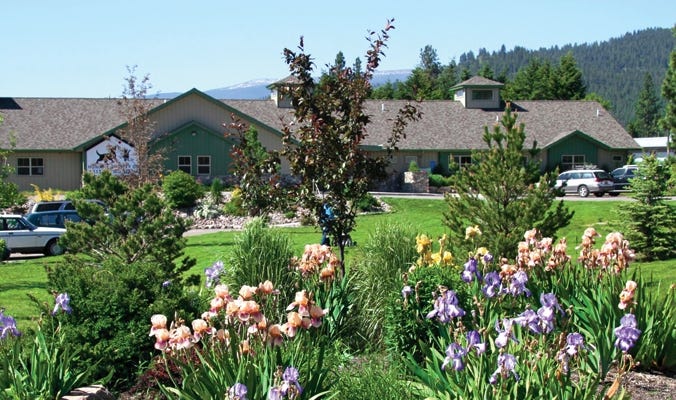
My favorite animal rescue organization. What’s yours?
The Humane Society of Western Montana
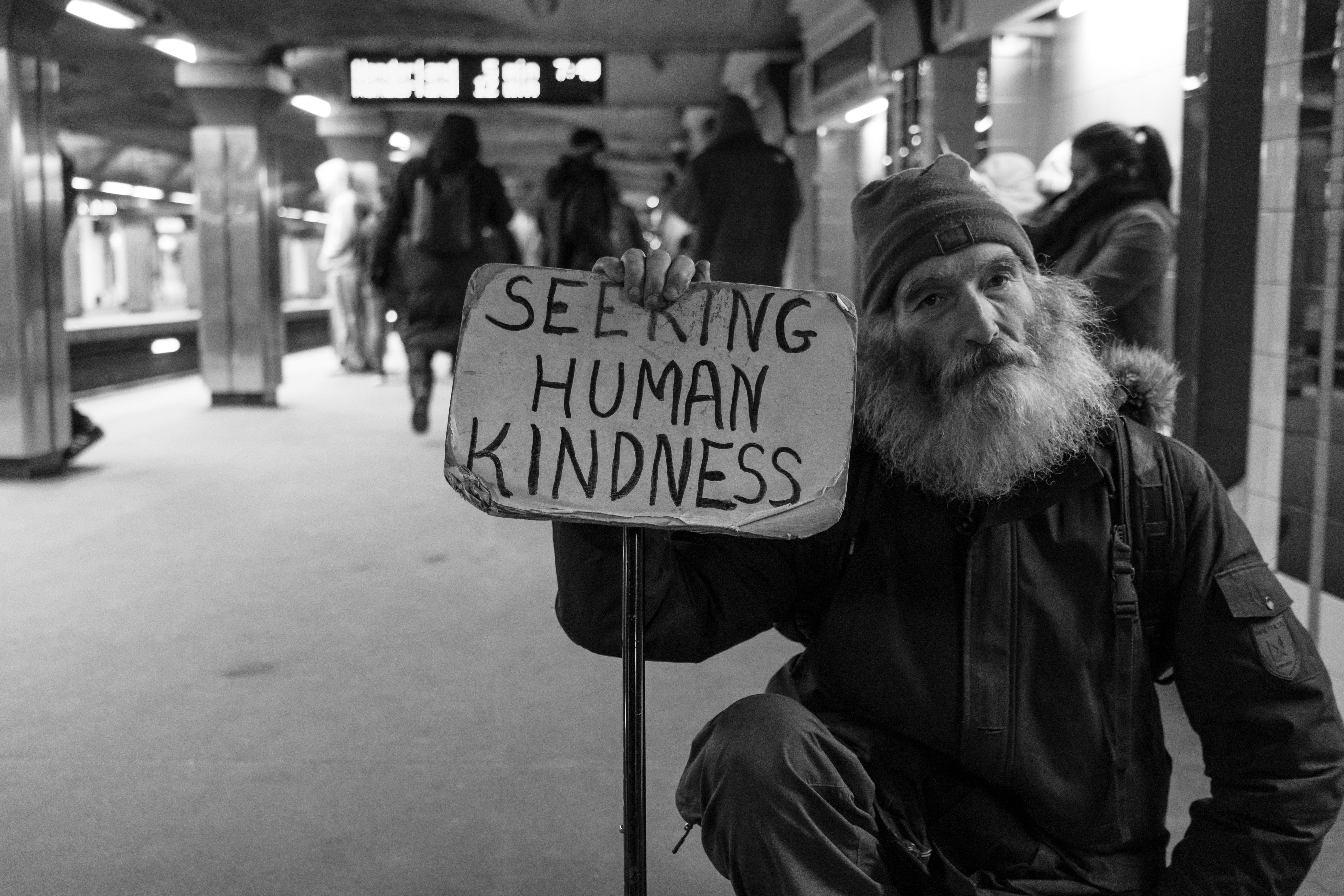
A lot of people aren’t so lucky at satisfying their basic needs, either, because they’re mired in poverty, mental illness or other health issues, or natural disasters. Due to circumstances that are often beyond their control, they must struggle to survive each day, no matter how hard they try for more.
Photo credit: Matt Collamer
In this era of climate change and rapidly fluctuating environmental conditions, plants and wildlife are having trouble meeting their needs as well. This is true whether they live in California, the ocean, the mountains, or the boreal forests, tundra and ice of the far north.
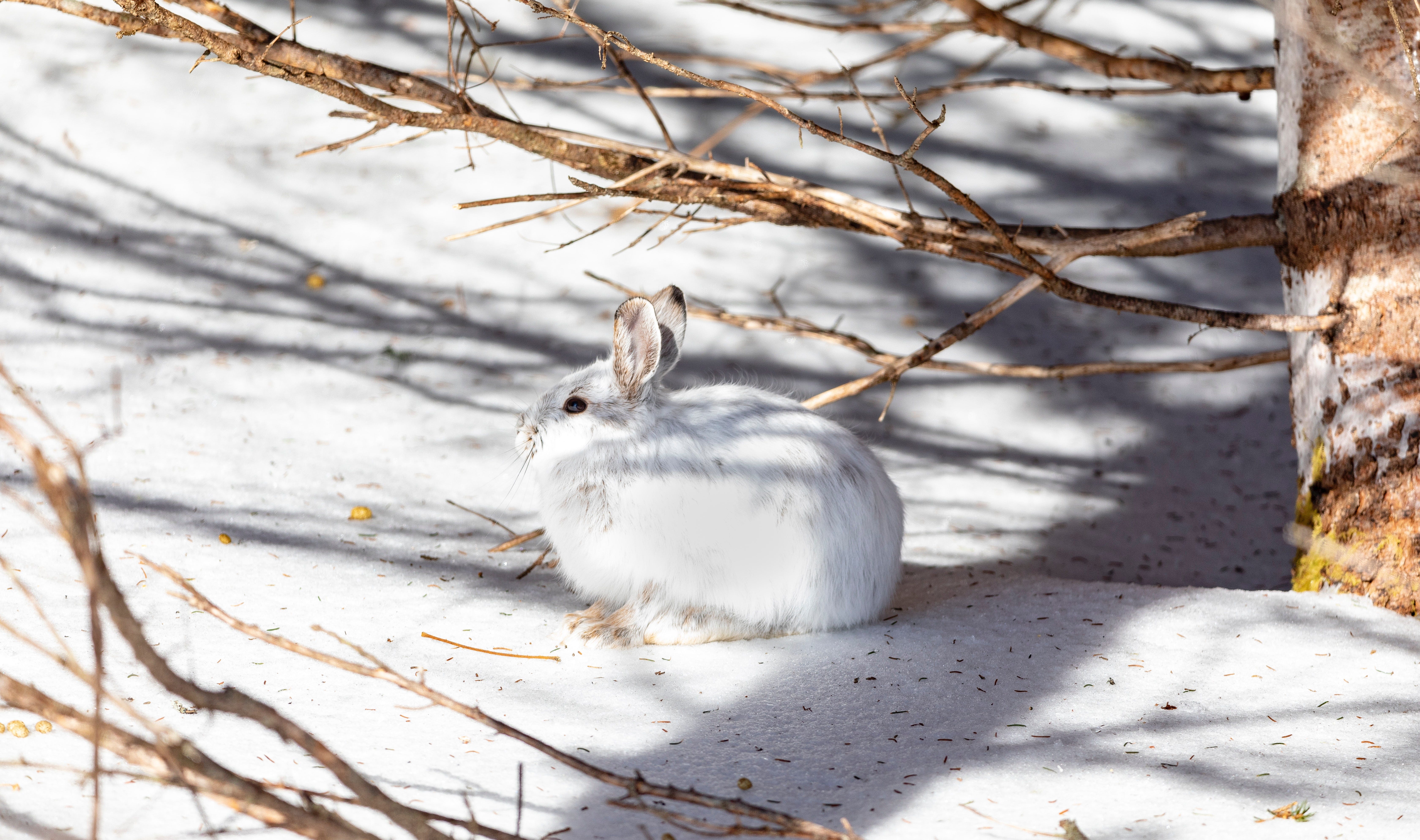
With shrinking snow cover, the white winter coat of the snowshoe hare has become increasingly out of sync with its environment, making it more vulnerable to predators. Photo credit: Thomas Lipke
I don’t say these things to make you sad or feel guilty, but rather to think about the difference between the external things you want but could probably live without and the internal things you desperately need. As someone who’s spent most of my life fighting against clutter in my own home, I’m all too aware of how quickly unnecessary things can pile up.
And just as Tock is happier to go on lots of walks rather than sit home alone with a pile of toys, I know my life can be improved by removing some of my own material goods and replacing them with simple necessities or things that fulfill my deepest emotional needs—like hikes in exquisite places and the chance to listen to beautiful music and to write down my thoughts.
I’m pretty sure that this holds true for my characters, too. Every protagonist I’ve written so far comes to the realization that their initial want is actually somewhat self-centered and narrow-minded, and that by taking a broader view of what they and those around them truly need, they’ll all be happier. A few of them completely abandon their initial wants, like the kid afraid of getting in trouble, the kid who only wants to cause trouble, and the kid who wants to become a game champion. My other main characters keep their initial desires (to protect their siblings, to sing), but develop them into much more far-reaching goals, like an awareness that their siblings need understanding more than protection, and that music can reach far beyond the performer, if people only learn how to listen. Whether or not these protagonists succeed remains up in the air, but hey, at least they’re trying!
Photo credit: Dollar Gill
What about your characters? Have you examined what they want versus what they need? Do these things change during the course of your story?