

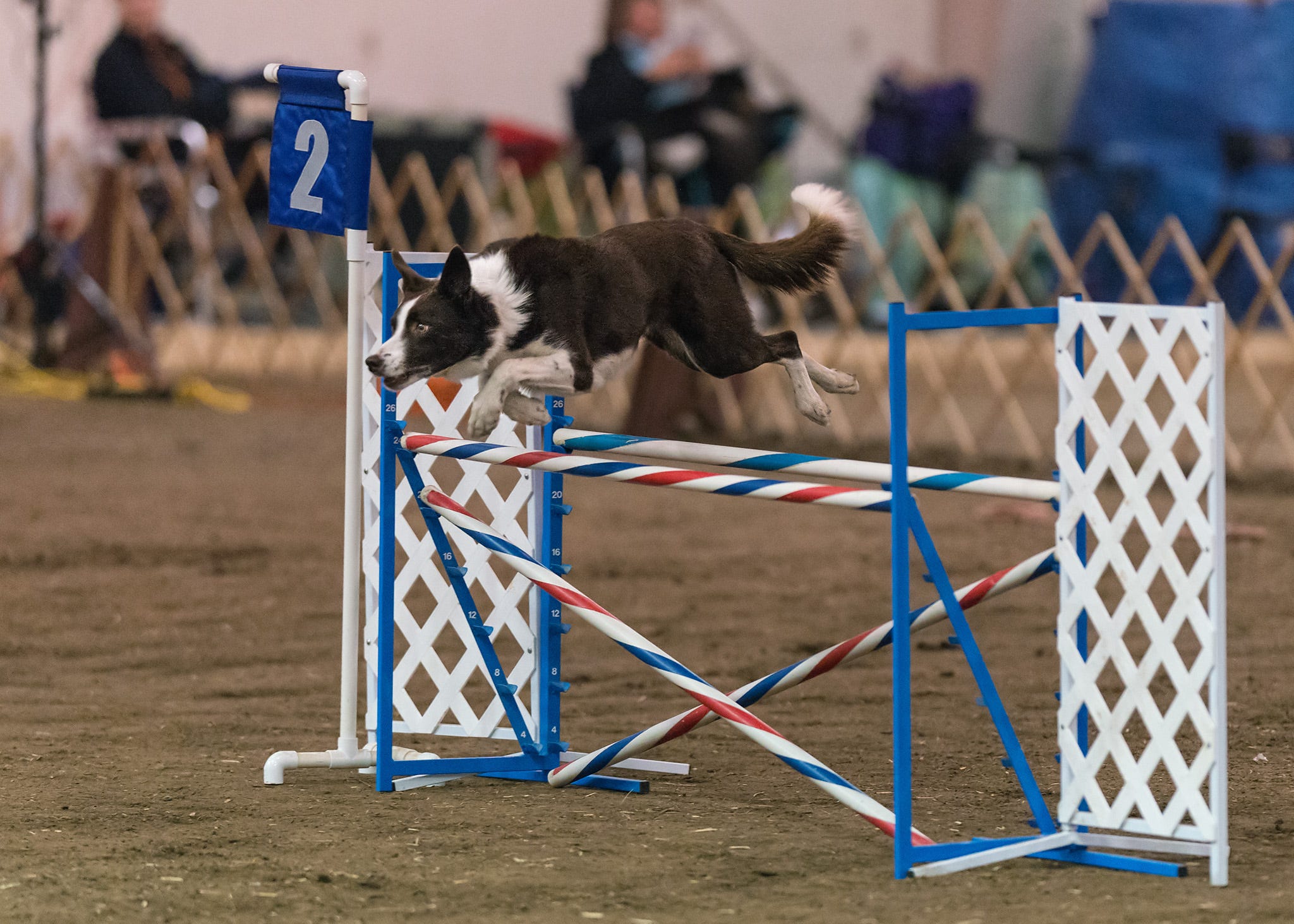
This phrase is one that a lot of dog owners know well. They’ll ask their furry companions this question before tossing a frisbee, or heading out for a walk, up to bed, or in and out of the car. Really, they’ll ask it before any sort of change in their dog’s routine from one activity to another. It’s a fabulous way to get a dog’s attention and motivate them to start paying attention and get moving, or do whatever it is you want them to do next.
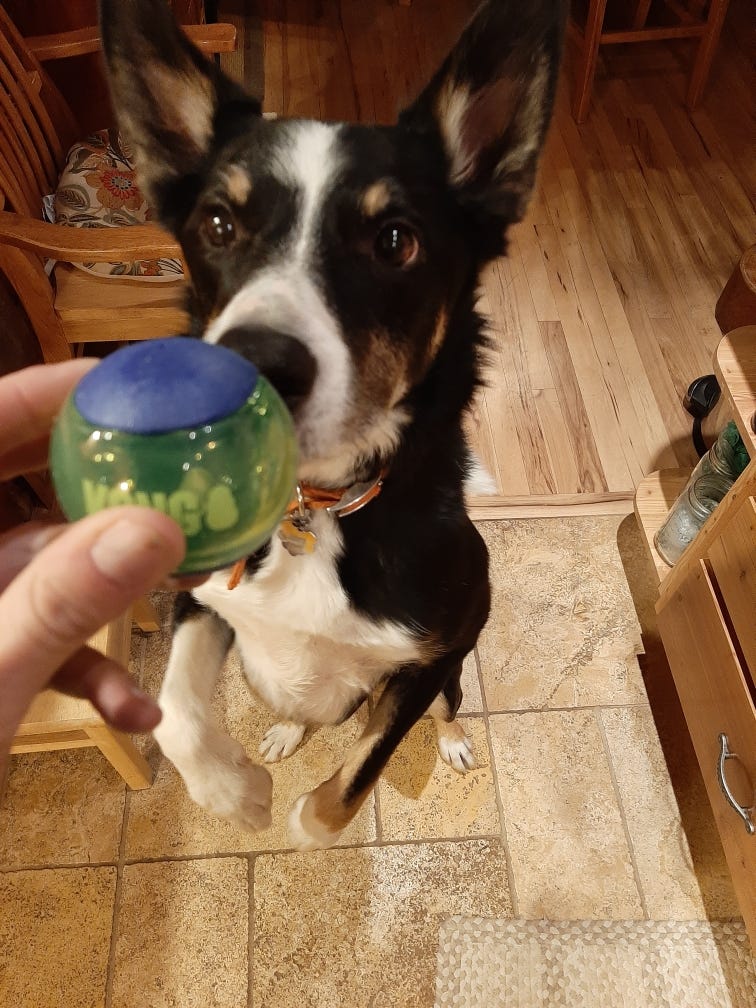
Those of us who participate in dog sports know the phrase even better. I learned it when I first took an agility class, and it became part of the “rev-up words” that I’d teach my beginning students to use before beginning any training activity.
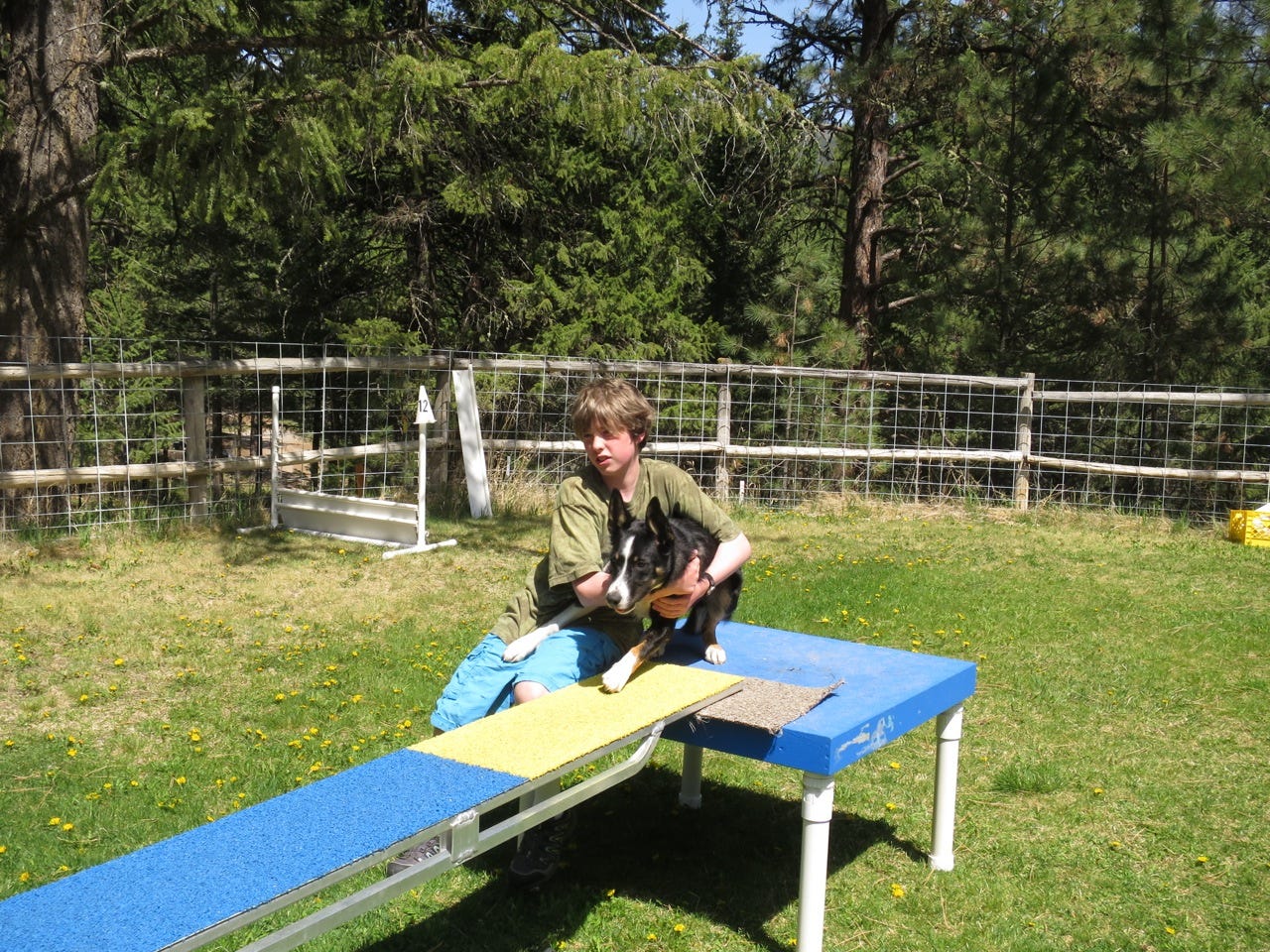
Are you ready? In an excited voice, we handlers will ask this of our dog, who is lying, sitting, or standing, maybe in front of an agility obstacle like a jump, or maybe not, if the goal is to train something else, like a recall. It’s an invitation to our dog to get ready to do something fun with us.

Are you steady? We’ll follow up with another eager phrase if our dog still seems a bit distracted and not bursting at the seams to do what’s coming. And hey, rhyming phrases are easy to remember, so why not?
Okay! When our dog can barely restrain itself from a rocket launch (i.e., is quivering, salivating, or possibly bug-eyed with anticipation), we’ll at last use our specially chosen “release word.” Note: it’s always best to rely on a release word that can’t be mistaken for something else and is unlikely to be used for some unrelated purpose. I was taught to use Okay and kept it up with successive dogs out of habit, but my students and many others have more wisely chosen a less common word such as Break! This is because it’s all too easy to release your dog accidentally from a start line in an agility competition while saying “okay” to the judge or some other official. And then your dog is racing off through the ring, leaving you standing there, completely unprepared.
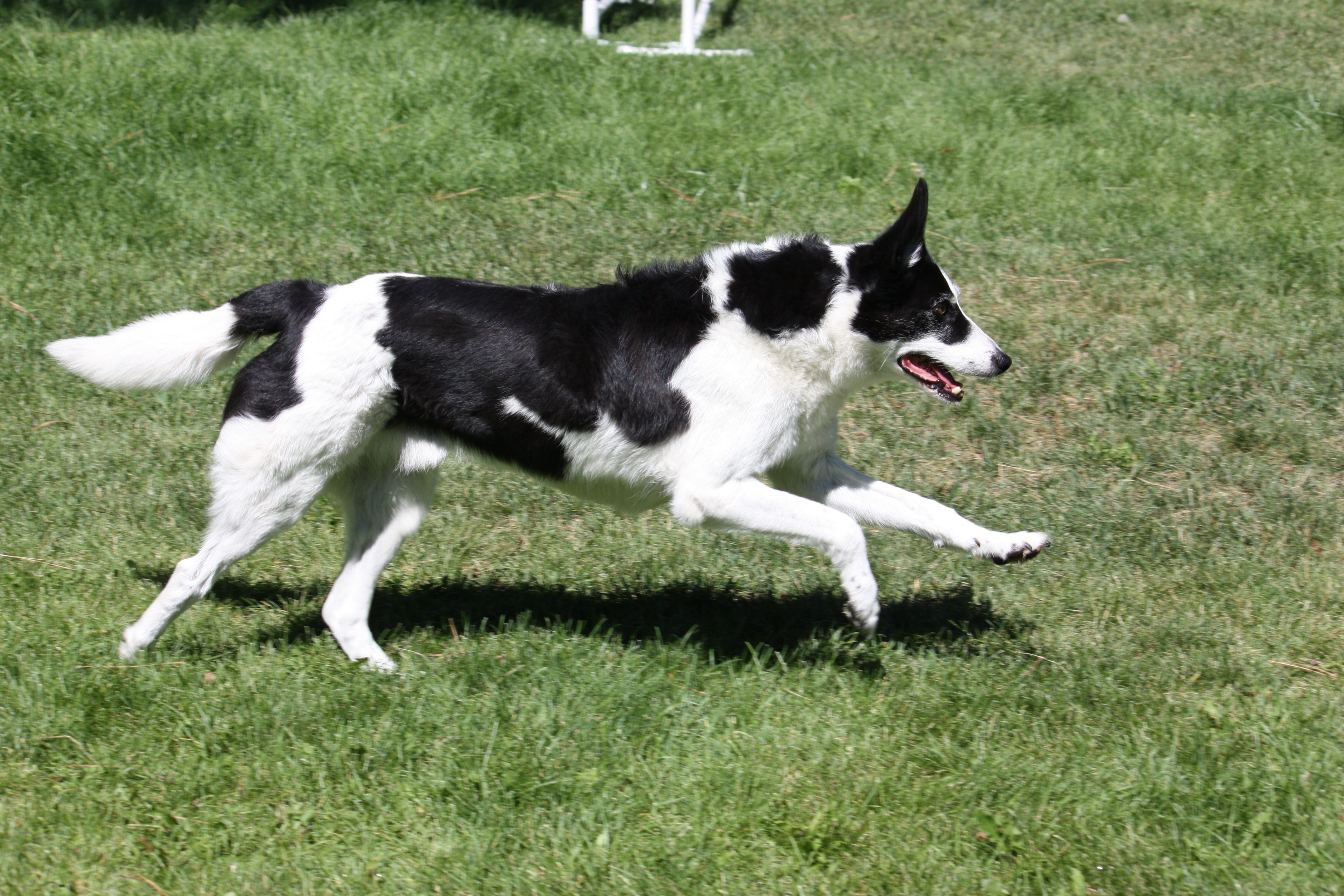
Because everything in my past life seems to parallel things in my present, I can’t help but think of these rev-up words in the context of writing. One of the most essential things we learn as new writers is that our story must hook the readers. The obvious hook, of course, is a line at the end of the first chapter that compels us to keep reading. But the hook itself isn’t analogous to the rev-up words. No, the hook is the same as the release word in the doggy world. It’s the thing that gives the reader permission to zoom off into the rest of the story. Before the hook can make any sense, your readers need to be revved up. They need to understand the context for the hook: why should they care about your character and the situation the character has found themselves in? The “rev-up” material in your early pages can present the character in all their misunderstood (or misunderstanding) glory—quivering with desperation for something to happen. Once this foundation is laid, the hook makes total sense.

Another writerly use of the rev-up—and this time it’s the actual words—comes once you’ve written something. Humans are social creatures who secretly crave to share their work. This is true even if they’re cave-dwelling introverts (speaking from experience). Readings by an external audience will likely result in some pleasant and self-affirming compliments, while at the same time providing us writers with valuable editorial feedback. So why not let others—family, friends, critique group partners—read our pages before they’re in publishable form? Isn’t it terrific to get feedback at every stage, whether it’s an idea for a premise, a first page, or a first draft?

Not necessarily. Here’s where the rev-up part comes in. I feel strongly that we need to ask ourselves in a firm voice: Are you ready? Have you thought about your story on your own enough that input from others isn’t going to strip your own writerly essence away from it? Are you steady in your ideas, your voice, and your determination to say something in particular, so that now all you need are some nudges from others to catapult you in the right direction—whether that’s writing an outline, or that first page, or what comes after the first page, or draft two, three, four, etc?
I personally never share a single thing about my stories until I’ve written and self-edited Draft 1. Sometimes I don’t show them to anyone until after Draft 2. At that point, if someone asks me about my premise, I have a pretty solid idea of what I’ll say. I also think I get why I’ve started the story in a particular place, I think I’ve gotten to know my characters better than my own family, and I think I understand how I want the journey to unfold. Note: I’ve prefaced all these statements with “I think” because I’m often wrong. Editorial feedback will be crucial to point me in the right direction. Probably many times over.
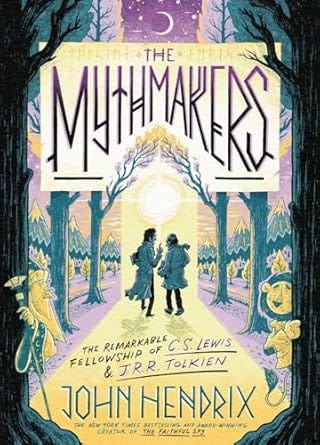
But this isn’t an essay about the value of critical feedback. It’s about how to maximize that value by asking for it when you’re truly ready for it. Depending on your writing process, this point may happen at a different stage for you than for other writers you know. J.R.R. Tolkien, for instance, was an extremely thorough and careful writer, who took seventeen years from when he first started writing the Lord of the Rings to its completion (and that’s not counting the forty years he worked on the Elvish languages!). He wanted things to be as perfect as possible before revealing them. Though I have nowhere near his skills, I think of myself as that type of writer. Tolkien’s methodical nature contrasts with his pal C.S. Lewis, who met in the same weekly literary group and wrote much faster, without Tolkien’s level of revision (thanks to John Hendrix’s The Mythmakers for these insights). Both of them, of course, were brilliant writers. I bring them up simply to point out that neither approach is right or wrong.
The real question is: what is right for you? When will you submit your premise, hook, first pages, or manuscript for review? When are you ready to gallop into the ring and show your writing to the world?
Happy Tales!
 Flights of Fancy