The Endless Search for Empathy

Or: How to Get Readers to Relate to Your Characters

How many times have you put down a book because you can’t get close to the main character? Maybe they give no sense of what’s important to them and thus come across as lifeless automatons. Or maybe they express themselves, but in a way that makes no sense.

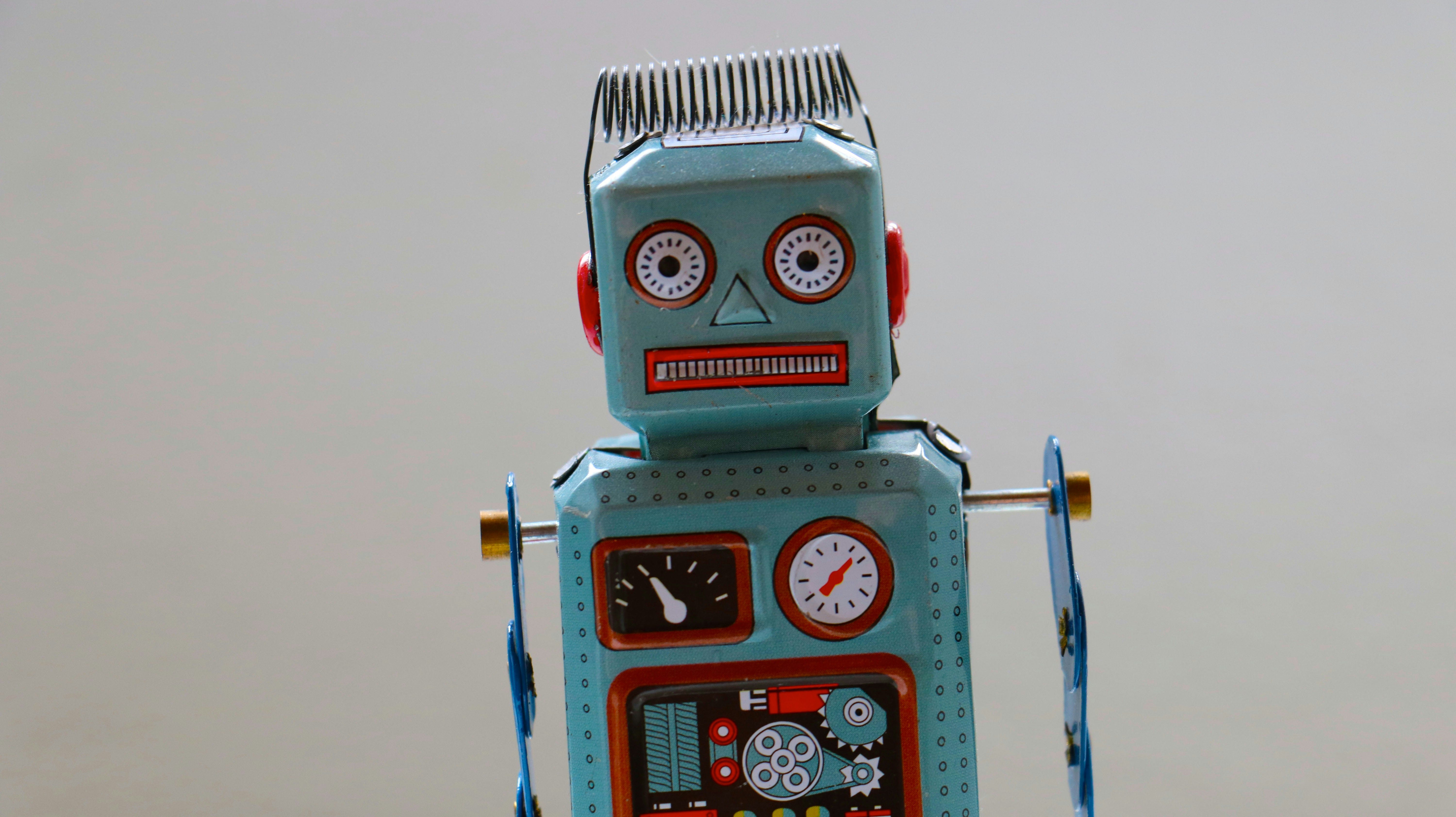
Metal robot with round eyes and a grimace
This robot actually has a lot more life to it than some characters I’ve read. Photo credit: Rock’n Roll Monkey.

Worse, how many times have you gotten a query rejection in which an agent tells you they don’t find themselves invested in the protagonist? And you’ve wondered what is wrong with your writing? Are you really that terrible?

Both of the above-mentioned scenarios have happened to me. Tthe first not as much because I tend to plug away at books for far too long even when I’m not enjoying them. But the second thing—the professional rejection—has occurred more times than I care to admit.

I could use the excuse that writing is a subjective business and some agents simply don’t like my style. I do tend to write strange stories, with quirky characters set in strange worlds and situations. But if reading hundreds of books over the years has taught me anything, it’s that even when a particular genre of story or style of writing isn’t my favorite, I often can relate to the characters within it.

So what’s the secret? How do we get readers to “fall in love with” our protagonists?

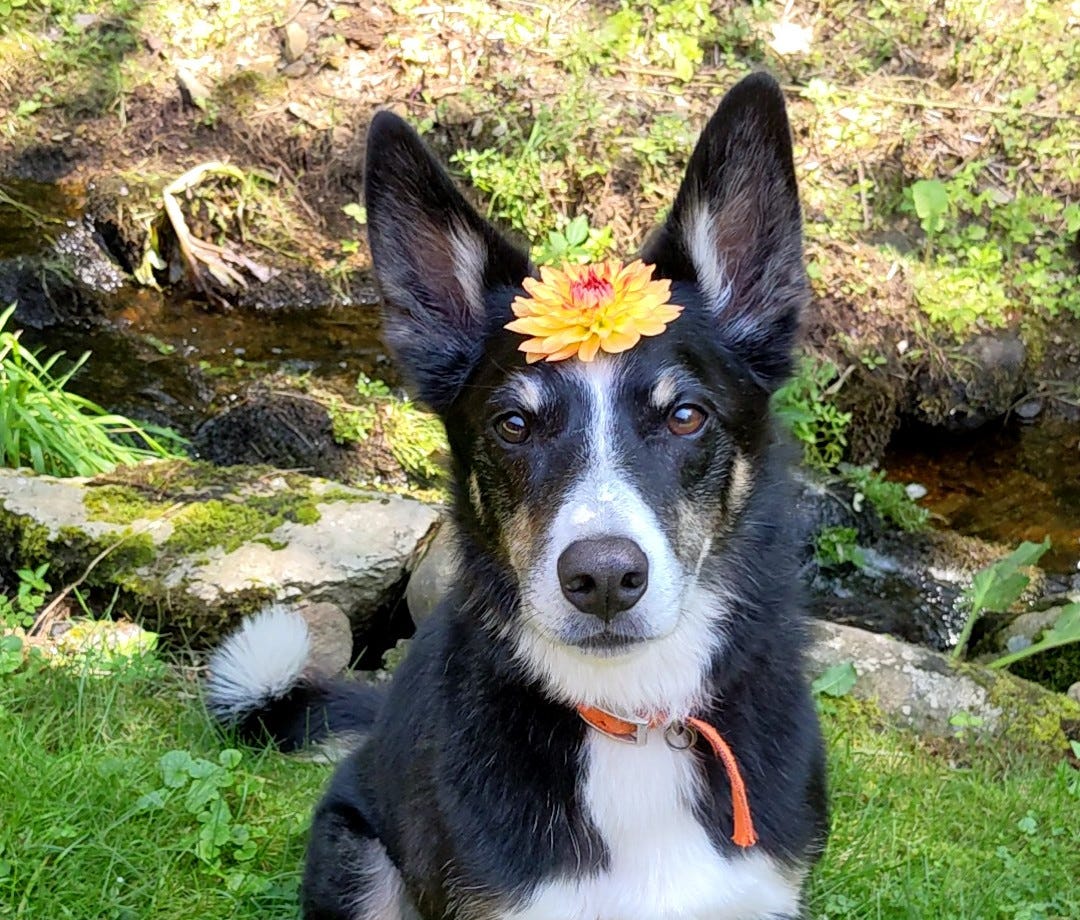
Border Collie with a large yellow flower on his forehead

We might as well ask: How do we fall in love with a new dog? (don’t worry, Tock. You are our One and Only for many more years yet. I hope). Puppy cuteness aside, many new dogs are a lot of work. They might be fully grown with their own personalities already set. They might have behavioral issues that make them difficult to handle. No matter their age, they are most definitely not a replacement for our other dogs. Each one has unique traits, and it can takes some time to get used to them.

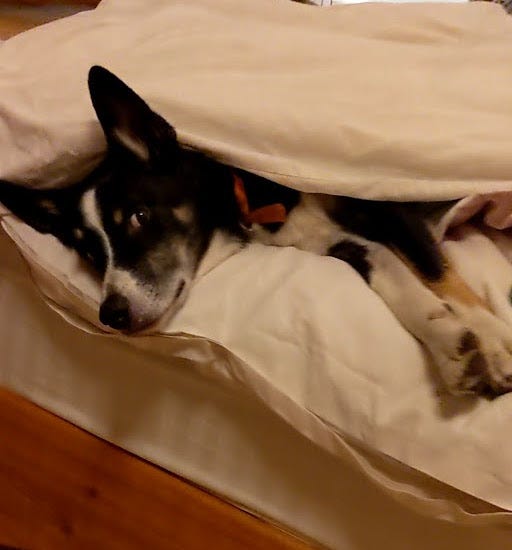
Dog lying inside a comforter
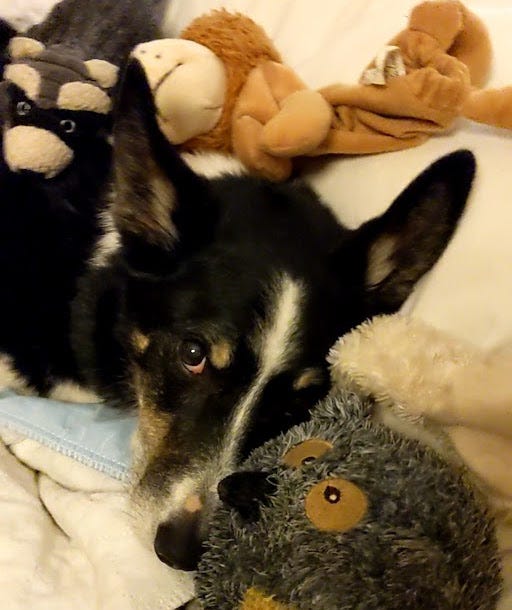
Unlike our previous dog, Tock has only a few precise times of day when he will allow himself to be cuddled. It can be hard to wait!

What is it, then, that causes us to take that new creature into our home? To essentially sign a contract that says we will commit to the care and well-being of this furry beast for the rest of its life?

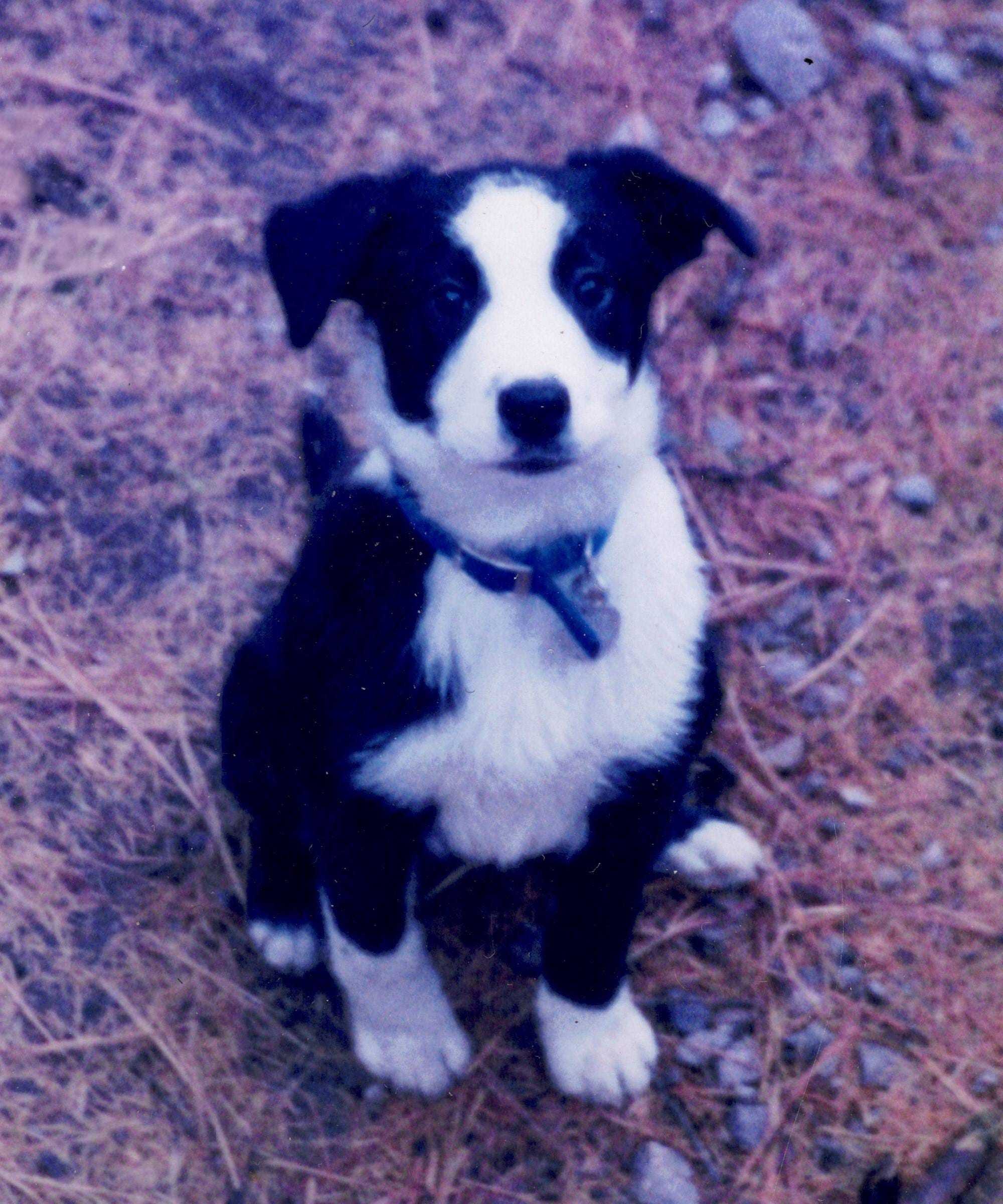
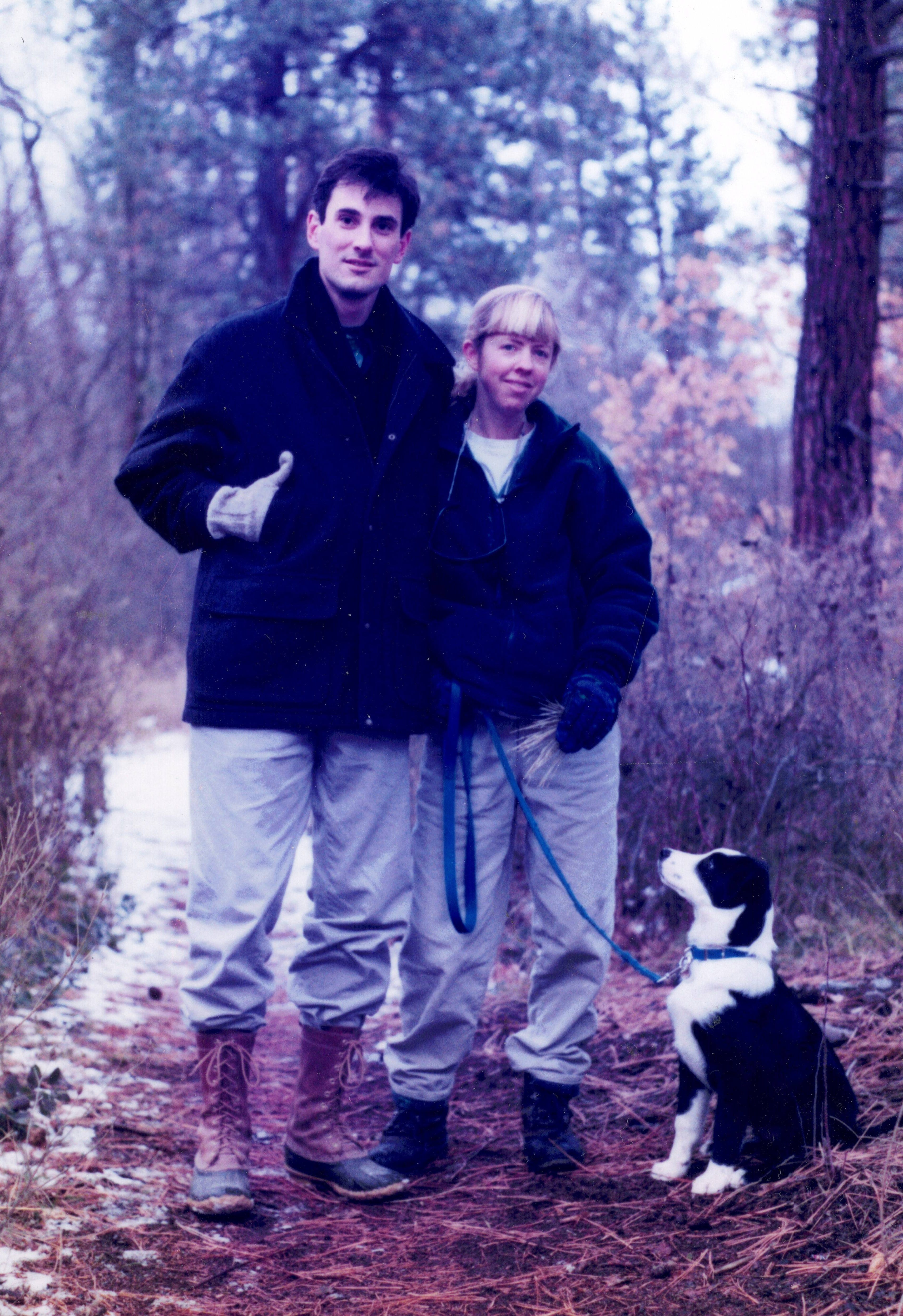
The answer, I believe, comes down to a way of being a particular dog possesses that makes us empathize with it. Think about the first time you gazed upon that litter of puppies, or on that one animal out of dozens or hundreds at the rescue facility. My husband and I still remember spotting our first dog, Tenzing, at the Humane Society. The little guy sat alone in a corner, clearly overwhelmed by the barks echoing from the cages around him. But the thing that drew him to us in an instant was the way he searched our faces, his chocolate eyes switching back and forth from one to the other of us. Clearly, he was trying to send us the telepathic message: Are you my parents? Will you get me out of here?

border collie puppy sitting and gazing at camera
Tiny Tenzing

We adopted him in minutes. If he’d been in a book, I would have read past the first page. And by the time I finished Chapter One, my bond would have been so strong that I’d have kept turning the page to the end.

When agents talk about falling in love with a character, my guess is they’re expecting some sort of spark on that first page. By the completion of the first chapter, for sure. Unlike getting used to a new dog, we don’t have the luxury of months when introducing readers to our story. We need something fast.

We need to generate empathy!

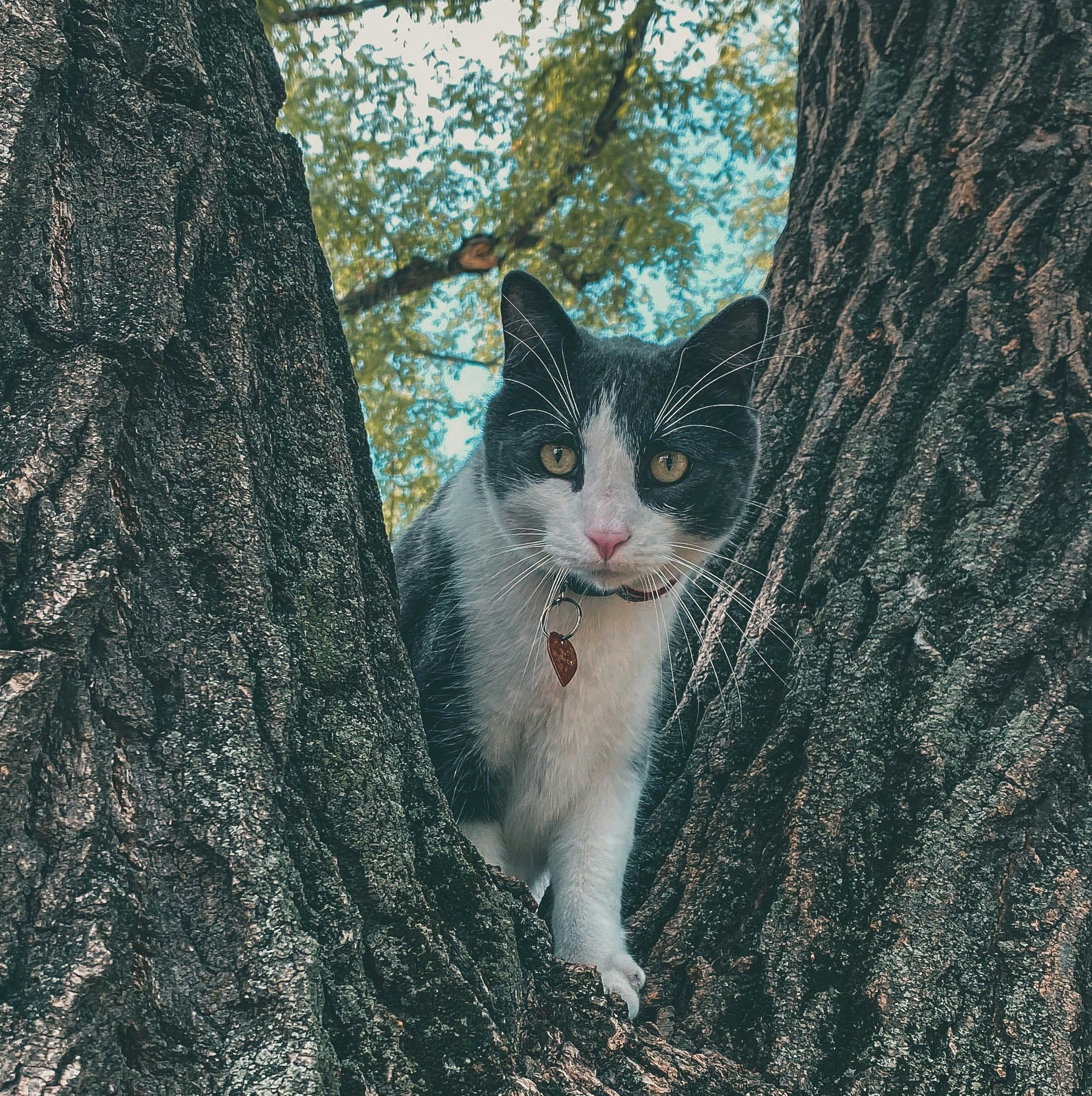
One of the most tried-and-true methods for producing empathy in readers for a character lies in the Save the Cat method (see the many books by Blake Snyder). This is when a character demonstrates something warm-hearted, likeable, or thoughtful about their personality. They might literally save a cat stuck in a tree, or they might simply display a way of thinking about something that indicates they’ve got an ability to feel. We readers understand that even if the character seems pretty screwed up, they’re not all bad.

A cat up a tree, peering between two trunks
Photo credit: Braedon McLeod

To me, generating empathy lies in a combination of action (e.g., Tenzing’s eyes darting back and forth), thought (it was pretty obvious what he was thinking), and dialogue (it was too noisy to hear him, but it’s entirely possible that he was whimpering or at least snuffling a little). The trick is to put a bit of this on Page One, like sprinkling seasoning on a soup, and then add more as the story progresses. This will enable your reader to relate to the character in some small way, and to feel as though they’re developing a relationship with them.

But what about the rest of the story? How do you maintain that trust? No matter how endearing a character is initially, a reader’s only going to want to stick with them if the things that character does, feels, and says make sense in the context of their life. And not only in the present, but in their history. Their backstory.

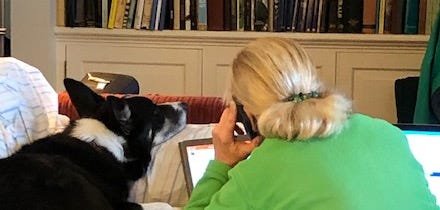
Writer and dog in deep contemplation in front of computer
Figuring out a character requires lots of thought.

You know how sometimes you do things that you wish you hadn’t—and you don’t know why? Or you suspect something happened to you in the past that messed you up—but you can’t quite figure out what? This is often true of a character in a book, too. The difference between real life and fiction is that in a story, you the author need to understand precisely why your character is acting, thinking, or speaking a certain way. You need to know that character better than you know yourself. Bit by bit, you can then impart a character’s historical context to your reader so they’re not completely befuddled by what the character is doing, saying, or thinking.

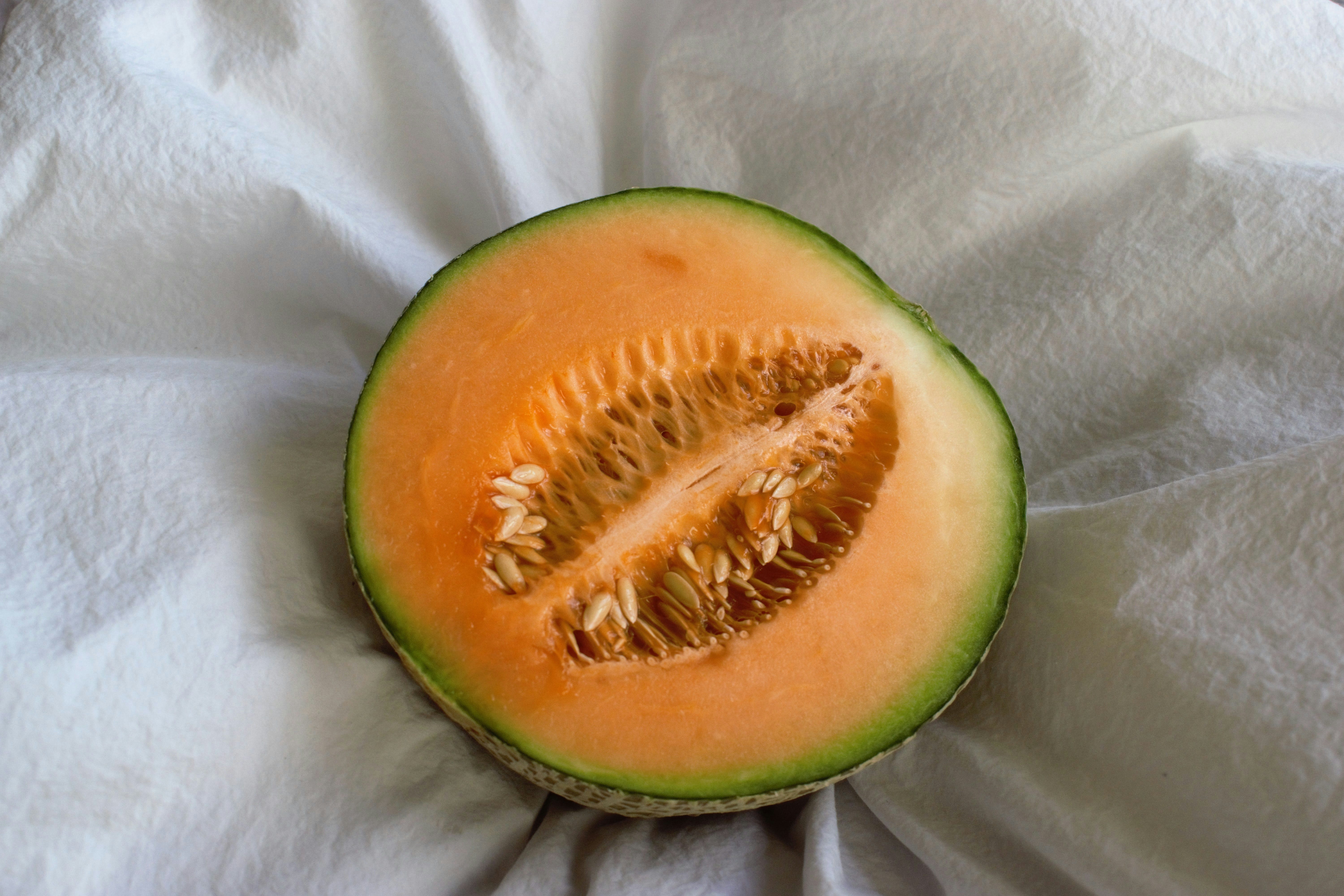
There are a lot of things I still don’t understand about myself. I don’t know why I have a revulsion to the sight of rows of seeds in a cantaloupe or rows of scales on a fish (actually, I think it’s at least partly genetic, because my son has it too. He’s the one who told me it’s called Trypophobia). I don’t know why I frantically yank at my coat if the zipper gets stuck (actually, I think it stems from accidentally locking myself in a closet at age four and developing a fear of tight spaces). Self-analysis aside, I truly don’t know why I feel like I have to apologize for everything, or why I need to work every second of the day until I collapse in bed and finally allow myself some time to read.

Half a cantaloupe, cut open
This perfectly fine picture makes me cringe. Photo credit: Martin Moore

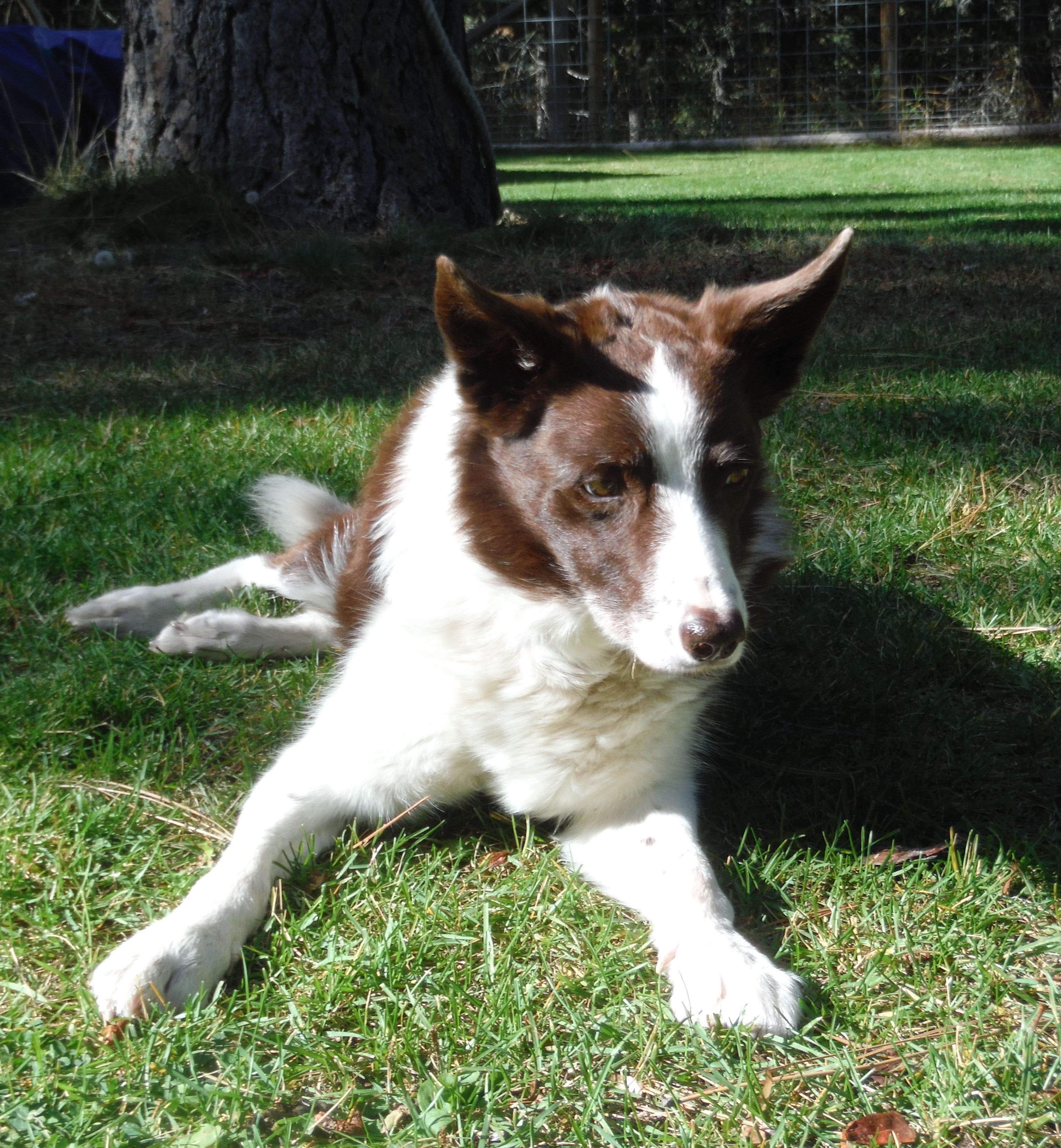
As a dog owner, on the other hand, I strive to develop a thorough understanding of my dog’s personality and actions. Tenzing, for instance, began growling at children after an incident in which he was snorkeling for pebbles in a pool (one of his favorite pasttimes), and a group of schoolchildren surrounded him and began “helpfully” tossing stones at him. This terrified him, and though I pulled him out of the situation quickly, he’d made an unforgettable association between children and danger. It’s especially tricky with an adult rescue dog, for whom you don’t know all the things that contributed to their strange and often defensive behaviors. But by watching them closely or knowing a little of their history, you can make some strong conclusions about what might have led them to a particular mannerism. We knew our dog Moth had been forced to spend the first years of her life in a basement, and as a border collie must have been desperately bored and looking for work. I believe this explained her obsession with light spots on floors and walls. The poor thing would jab at them until her nose bled, so we had to make every effort to keep her away from them (and provide her with more suitable work in dog agility).

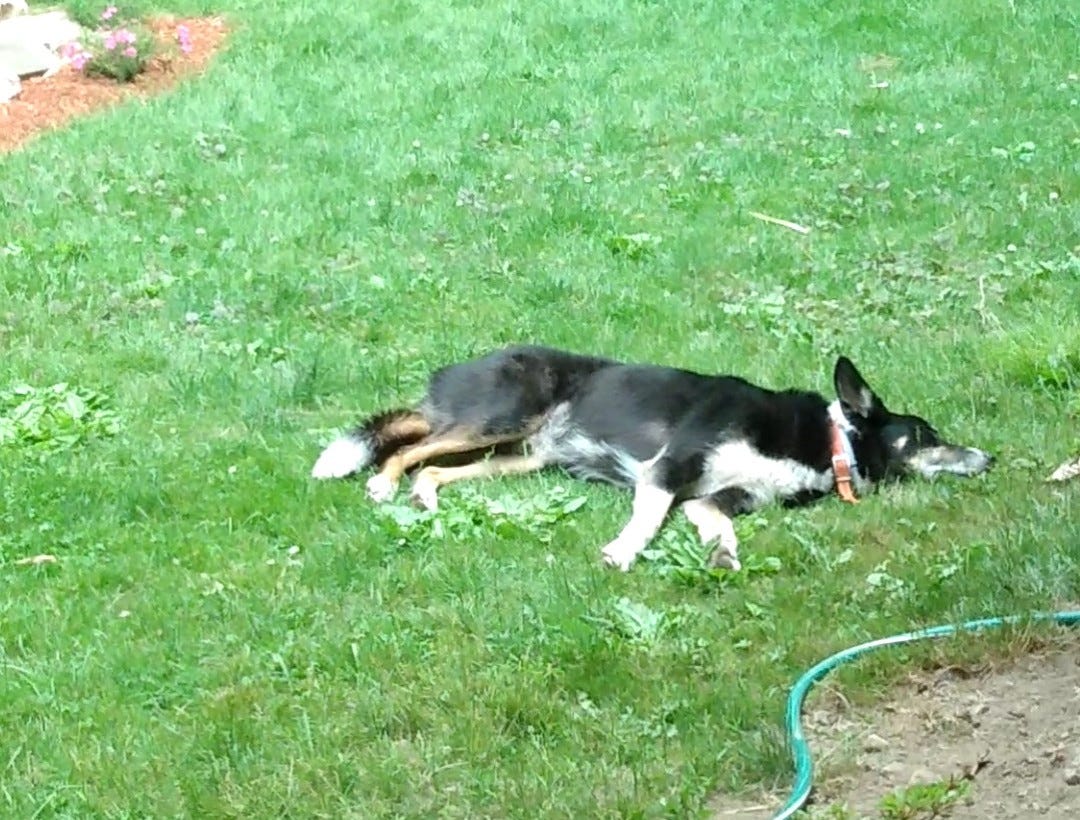
Border collie staring at the ground while lying in the grass
Even near the end of her life, Mothie spent her spare time gazing at light and shadows.

Like a responsible dog owner, a good writer yearns for a deep knowledge of their characters. When I begin a new draft, I work up detailed character sketches, complete with preliminary scenes of emotionally scarring incidents that show how they became who they are in the story. Even with those sketches entrenched in my mind, I invariably discover that my knowledge of my characters isn’t yet full enough. I have to step back from writing and think some more. Why are they acting the way they do? Saying the things they say? Enduring those thoughts that keep running through their heads? Only by knowing their inner histories can I write my characters in a meaningful way—and a way that generates empathy in my readers.

How about you? Do you toss books down in frustration when the protagonist isn’t relatable? Have you ever gotten one of those “can’t quite relate” query rejections? Here’s hoping our next attempts draw readers in rather than push them out.

Happy Tales!

The Cave

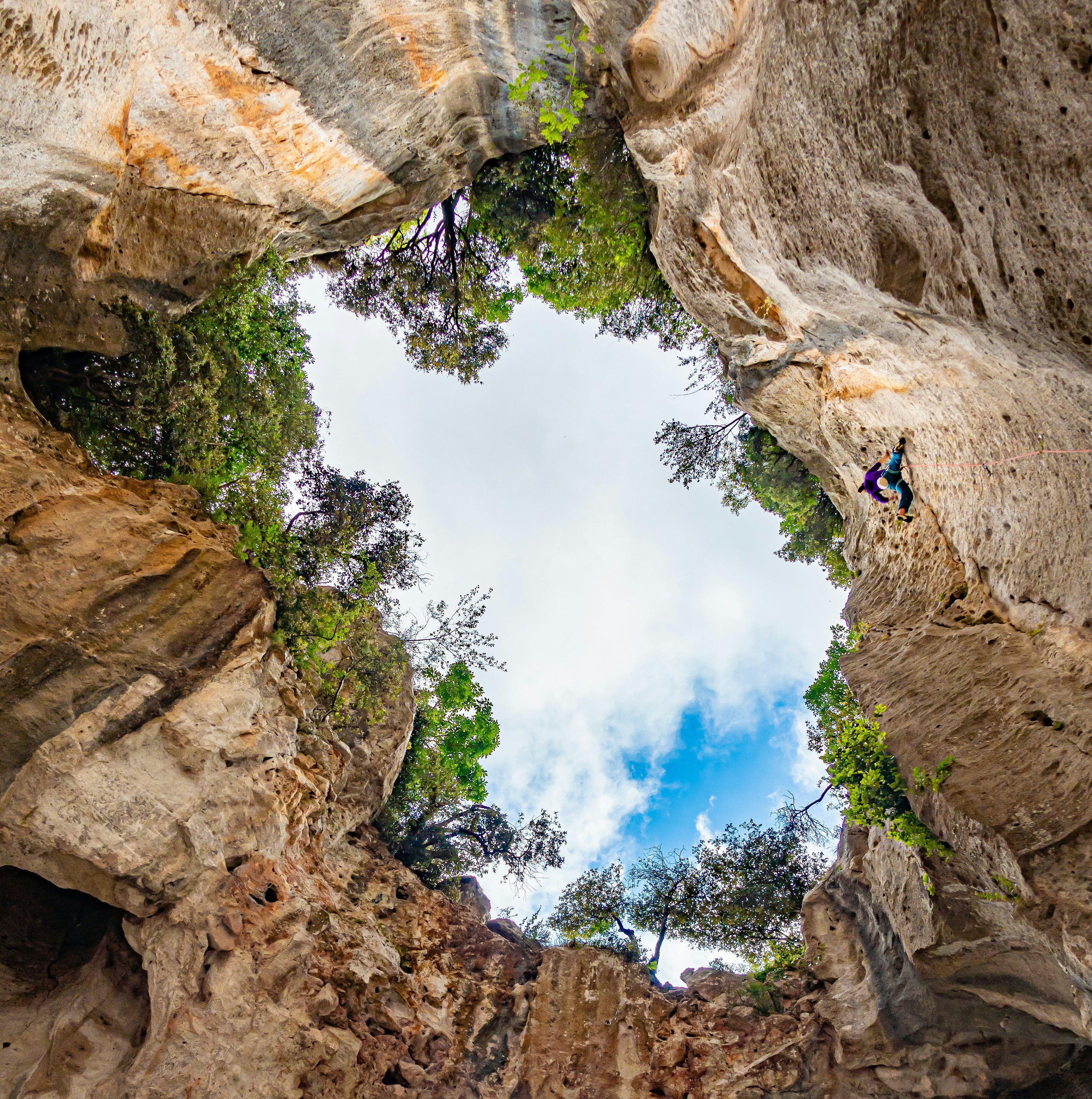
View from cave looking straight up at tilting trees on the rim
Photo credit: Sylvain Mauroux

When the world turns upside down

When wrong is right and right is wrong

When nothing humans do makes sense anymore

It’s time to crawl into your cave.

Not a big cave.

Not one that opens into a grand underground lair, lined with all the things you’ve ever wanted.

Not even an elegant one, full of crystallized stalactites and deep blue pools.

Nor one that harbors the last of a nearly extinct species of bat, fish, or spider.

A cave full of stalactites hanging above a blue pool
Photo credit: Rafael Vianna Croffi

No, your cave is a small and simple.

Big enough for you alone

Or maybe you and your dog, if he is the cuddly sort.

(If not, he can lie at the entrance, gazing at the outside chaos that he is lucky not to understand.)

You curl into a ball.

Solid rock above and beneath you touches your hips and shoulders.

Not in a claustrophobic way, but oh so gently.

As soft as warm sand.

Red sandstone cave
Photo credit: Irene Irene

Silence stills your mind, only one thought at a time able to slip inside.

The entrance to your cave is tiny. It—and your dog—keep away all the bad thoughts. The sad thoughts.

You do not think about things, or money. Nor of vast beauty or precious creatures that might not survive on this planet much longer.

You have no thoughts that make you aware of how much there is to lose.

Your only thoughts are of what exists around you, right this moment.

The smooth, still rock.

The sound of your breaths.

The sound of your dog snuffling in your ear, wet nose twitching in his sleep.

Calm.

Comfort.

You are in your cave.

Someday, when you feel strong enough to shield yourself from the craziness outside, you will emerge.

(Or perhaps sooner than that if your dog needs a walk.)

But your cave still lies in the earth, hidden to all but you.

And you can always crawl into it.

Happy Tales!

The Power of Patterns

We all know that dogs love routines. Their bedtime, their walks, their play sessions, and of course most of all their breakfast and dinner. Filling their days with structure truly seems to give them a sense of stability, of happiness, of purpose in life.

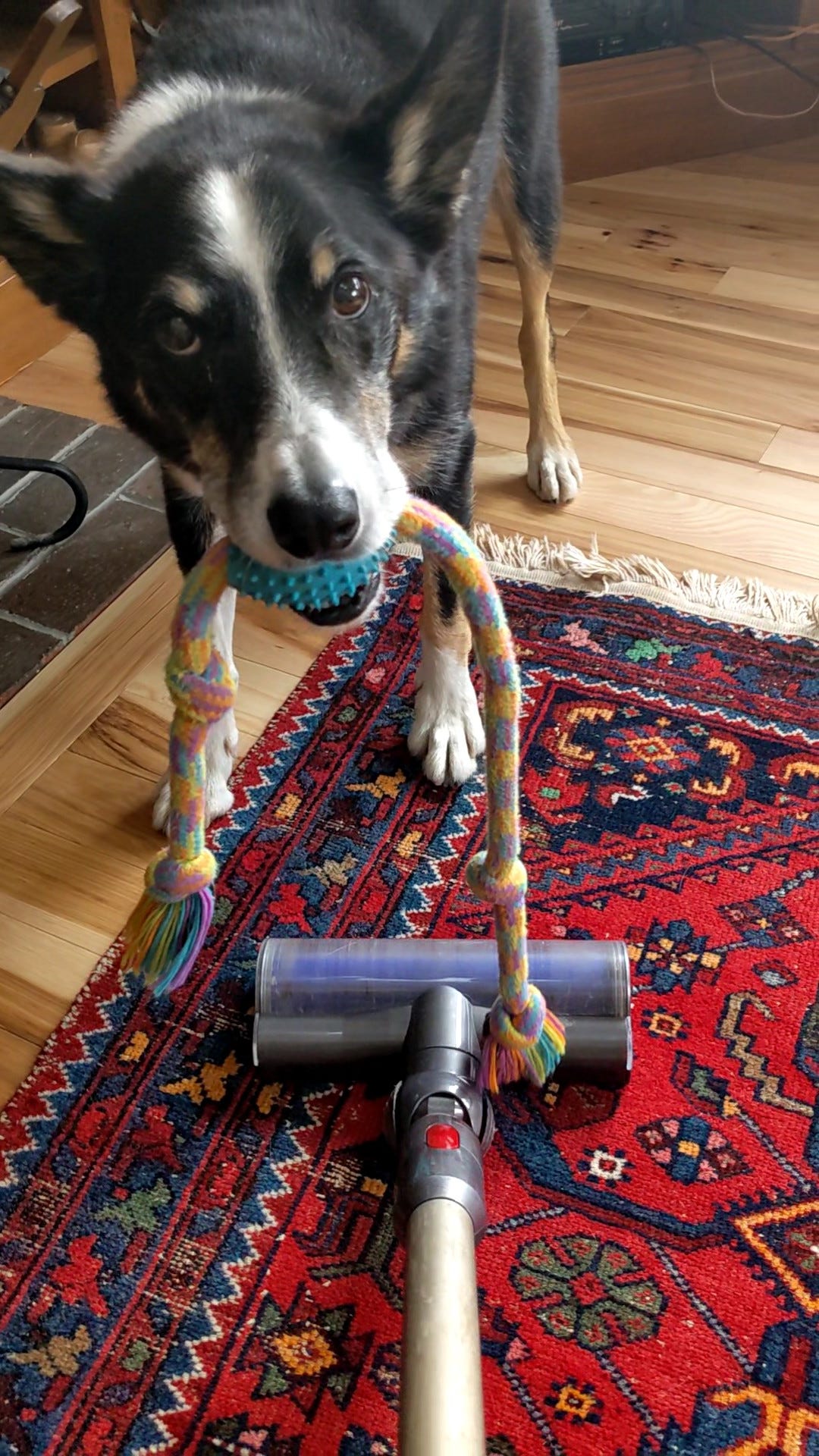
Dog with toy in his mouth, standing in front of vacuum
For Tock, vacuum time means playtime, always!

But what about people? Sure, routines are crucial in order for most of us to get things done, but do they really contribute to overall happiness? Personally, I feel a bit guilty for not living a varied and unpredictable enough life. I’ve been making an effort to spice up our daily existence with new recipes and short visits to places we’ve never been. It’s sometimes exhausting, but it keeps me from feeling as though I’m turning into a robot.

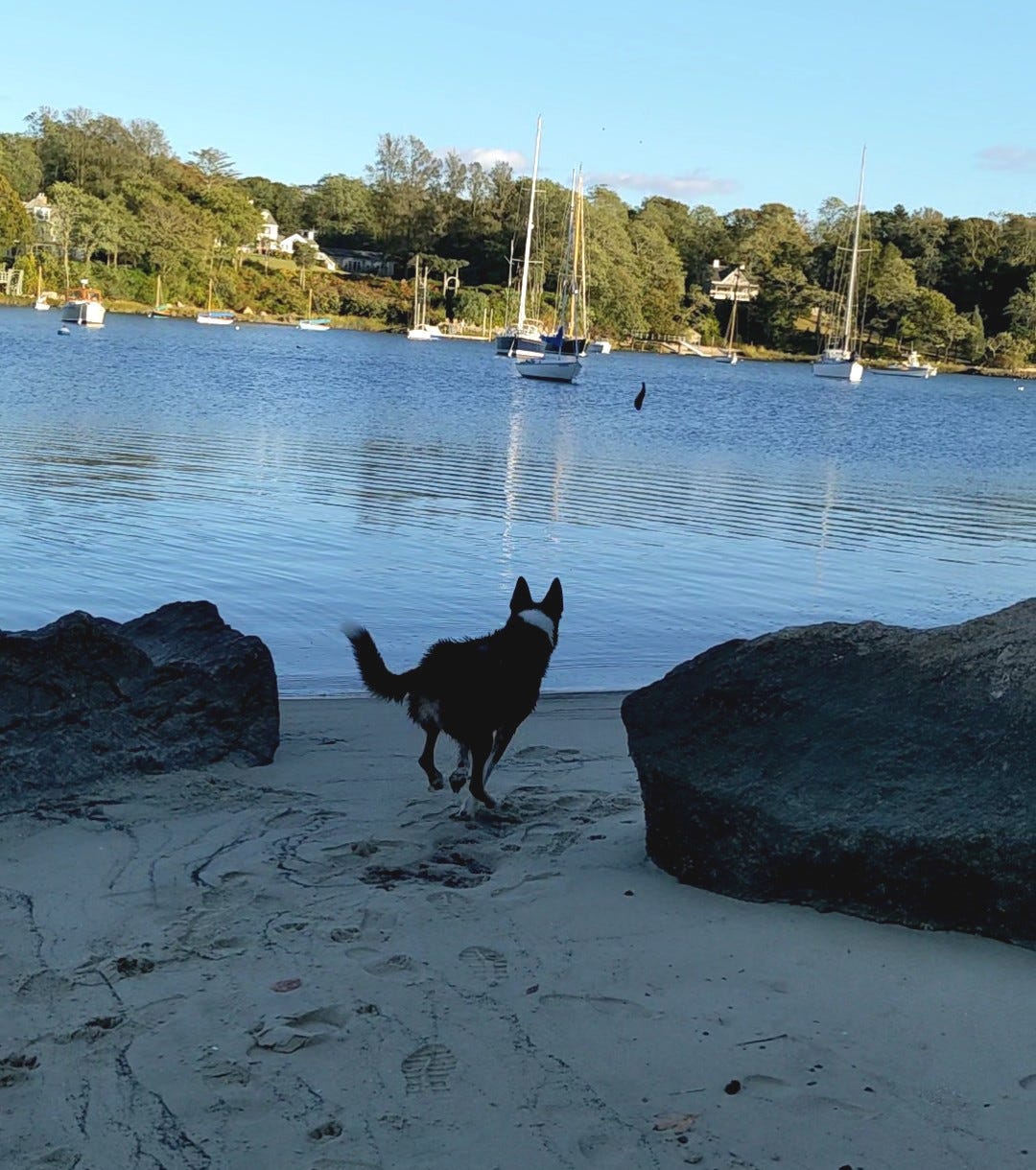
Dog galloping across sand to the water of a harbor
A lovely little beach we discovered on one of our early-evening adventures.

Though variety is fun and prevents life from getting boring, I firmly believe that deep down, we all crave a certain regularity. Not merely in obvious routines such as meals, work, play, and bed, but in the patterns that we see and hear throughout our lives: The pleasure of listening to a piece of music that’s about to return to its primary chorus or theme, for instance. We know it’s coming; we can predict when it will happen based on the chord progressions that come before it—and yet it is ever so satisfying when the notes resolve into the ones we expect. Or the joy a small child feels in listening to the repetitive cadence of a picture book, often memorizing those repeated parts first and reciting them aloud. Or the wistfulness that wraps around many of us as the leaves turn gold and begin to fall, reminding us that each season has its place (and helping me, personally, in accepting the coming stillness and coldness of winter). Or the contentedness that can arise from the performing of a methodical household task such as vacuuming. I really hate to admit to that last one because vacuuming and I have a particular hatred for eachother—yet there’s no denying that I feel a certain satisfaction in progressing with the machine from one end of the room to the other. The alternative option, other than not cleaning at all (gross!), would be to clean one spot, then dart away to clean a second randomly-chosen area, and so on. This makes no sense and is probably why I hate Rumbas—even though they spare a person from having to do the vacuuming, they waste a lot of energy bumbling around in constantly changing directions, never seeming to hit that one place that needs it most.

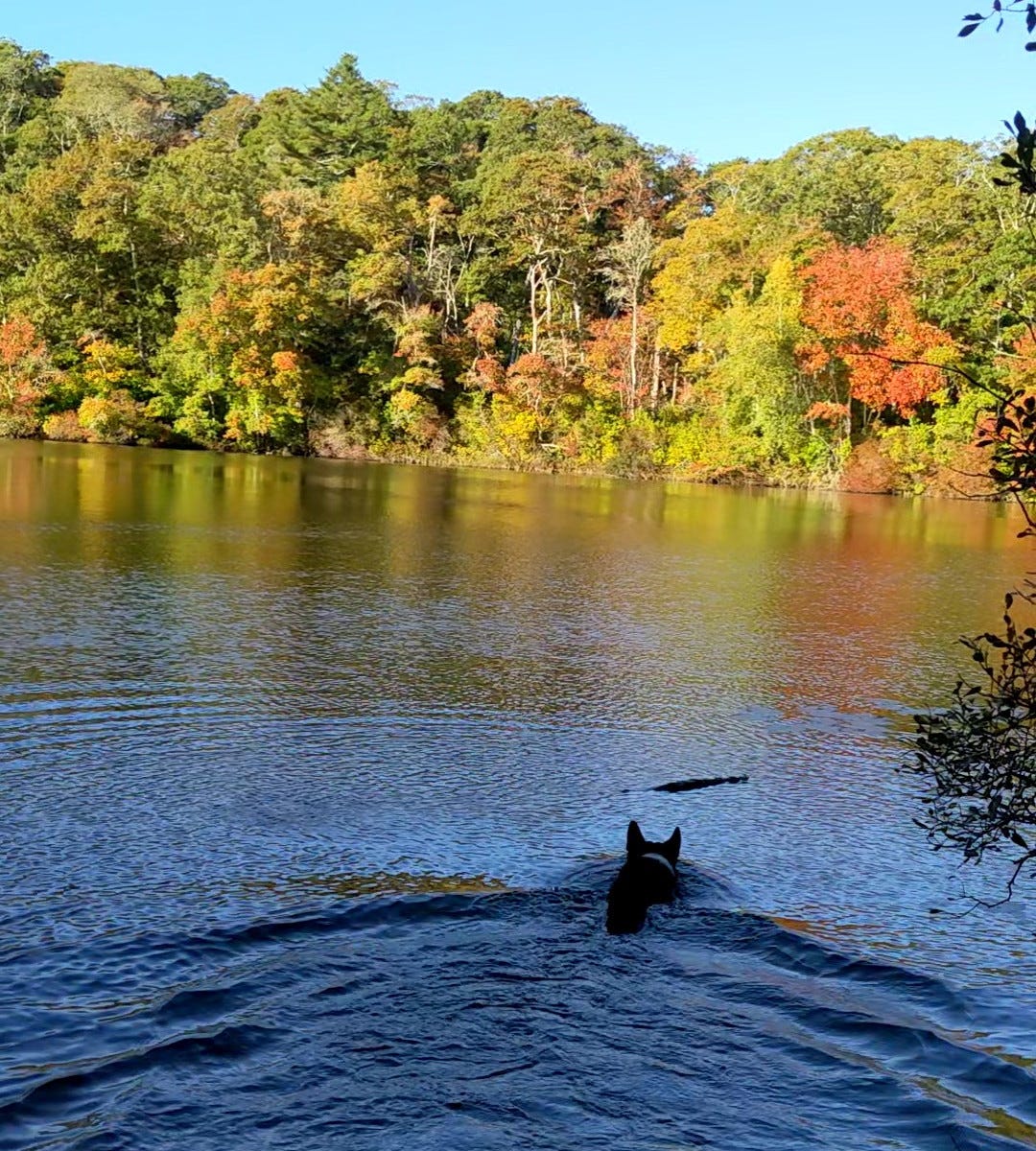
Dog swimming in pond surrounded by orange fall foliage
Tock’s favorite pond is especially vivid right now.

If your appreciation of patterns is strong enough, the very thought of chaos in your life—or in the world at large—can make you uneasy. I seem to have a talent for pushing my own buttons in the darkest, loneliest part of the night, when I often find myself dwelling on various vast unsolved problems in the universe (e.g., the concept of time, the nature of dark matter and dark energy, and what lies beyond black holes or the Big Bang). If I don’t want to freak out for hours and end up a zombie the next morning, I know what I have to do. I’ve gotta replace the thoughts of those tumultuous, alarming things I can’t control with ones I can.

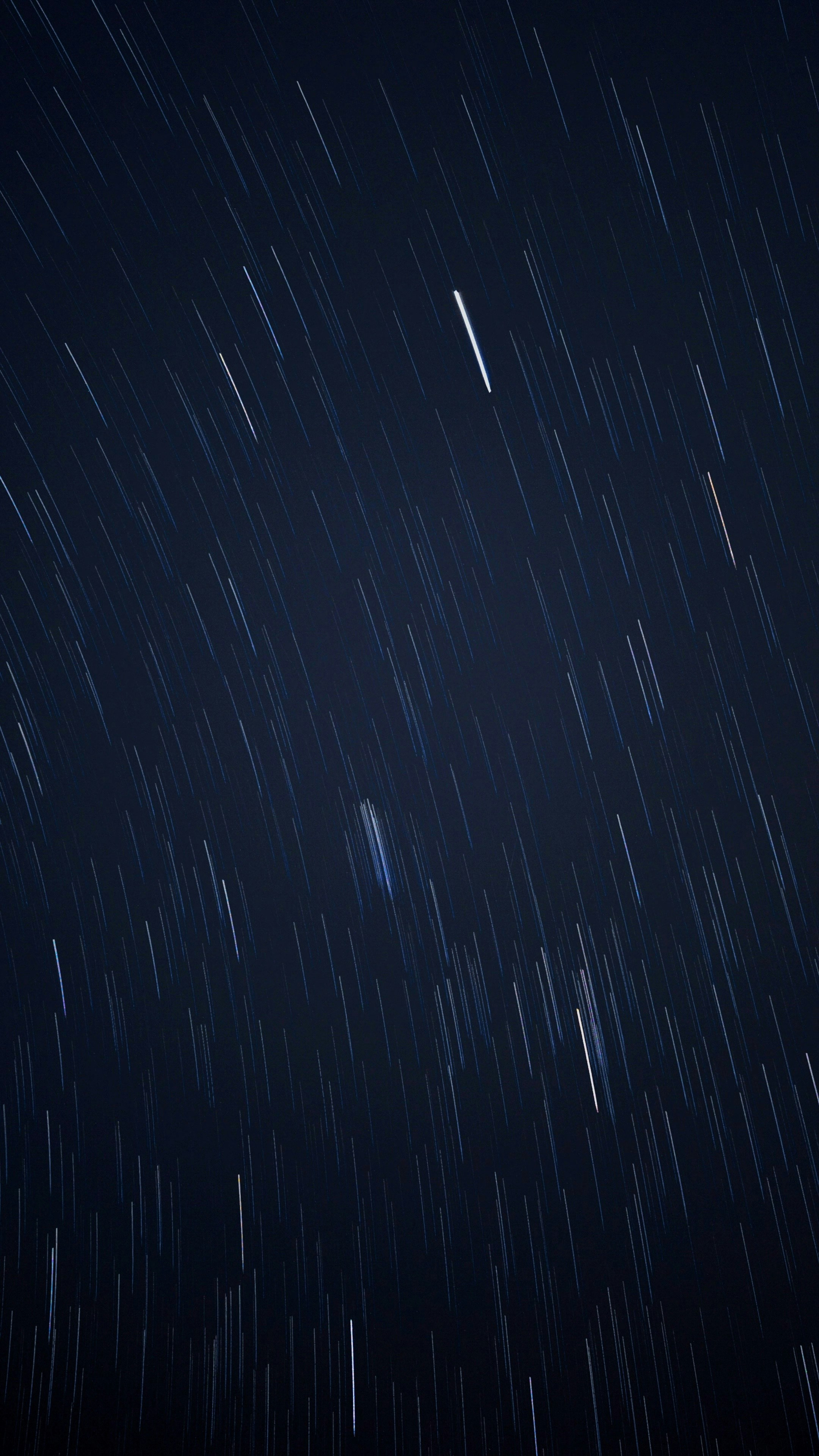
Time-lapse photo of blurry orbiting stars in a night sky
Photo credit: Karan Suthar

Here’s my number one recipe for combating chaos and the discontent it sows: listen to a good audiobook. Lately, I’ve been working my way through Kwame Alexander’s self-read MG and YA stories in verse. By immersing myself in his beautiful phrases, his artful repetition of simple words, and his insightful thoughts that echo and build upon one another, I can decompress. His writing helps me feel as though there’s some sort of order to the madness, some hidden purpose to life, the universe, and everything. And though the plots of his stories are the opposite of boring, the cadence of the words relaxes me enough to make my eyelids heavy. (Note: if you’re serious about wanting to fall asleep, adjust the volume so you have to strain to hear it. Kind of like driving at night, the more you try to focus, the sleepier you’ll feel).

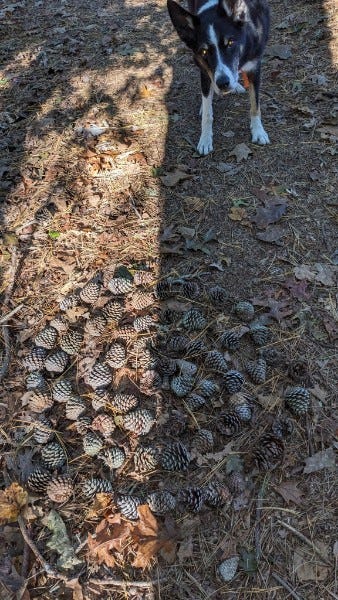
Dog standing next to a bunch of pinecones arranged in a spiral on the ground.
These cones were undoubtedly organized by a pattern-loving human — or was it a dog?

The beauty of falling asleep to patterns is that I wake refreshed, ready to appreciate them all the more. I’m grateful for being able to make use of them in my writing, from the repetition of carefully selected words, to the use of symbols, poetry, recurring character thoughts, consistent voices, and gradual development of backstory and themes. I’m grateful for the rising of the sun, the thinning blanket of mist on the field, the excitement of my dog for his morning adventure in the woods, the baa-ing of the sheep for their breakfast, the patter of leaves dropping to the trail like fat orange raindrops. I’m grateful for science, which in its broadest sense involves the search for patterns to explain natural processes. I’m grateful for my life, from its place in a symmetrically branched ancestral tree to the repeating strands of DNA that make me unique. My place on this earth may be small and insignificant, but it is my own, it is somewhat orderly, and to me, it makes sense. I’ll hold onto it as long as I can.

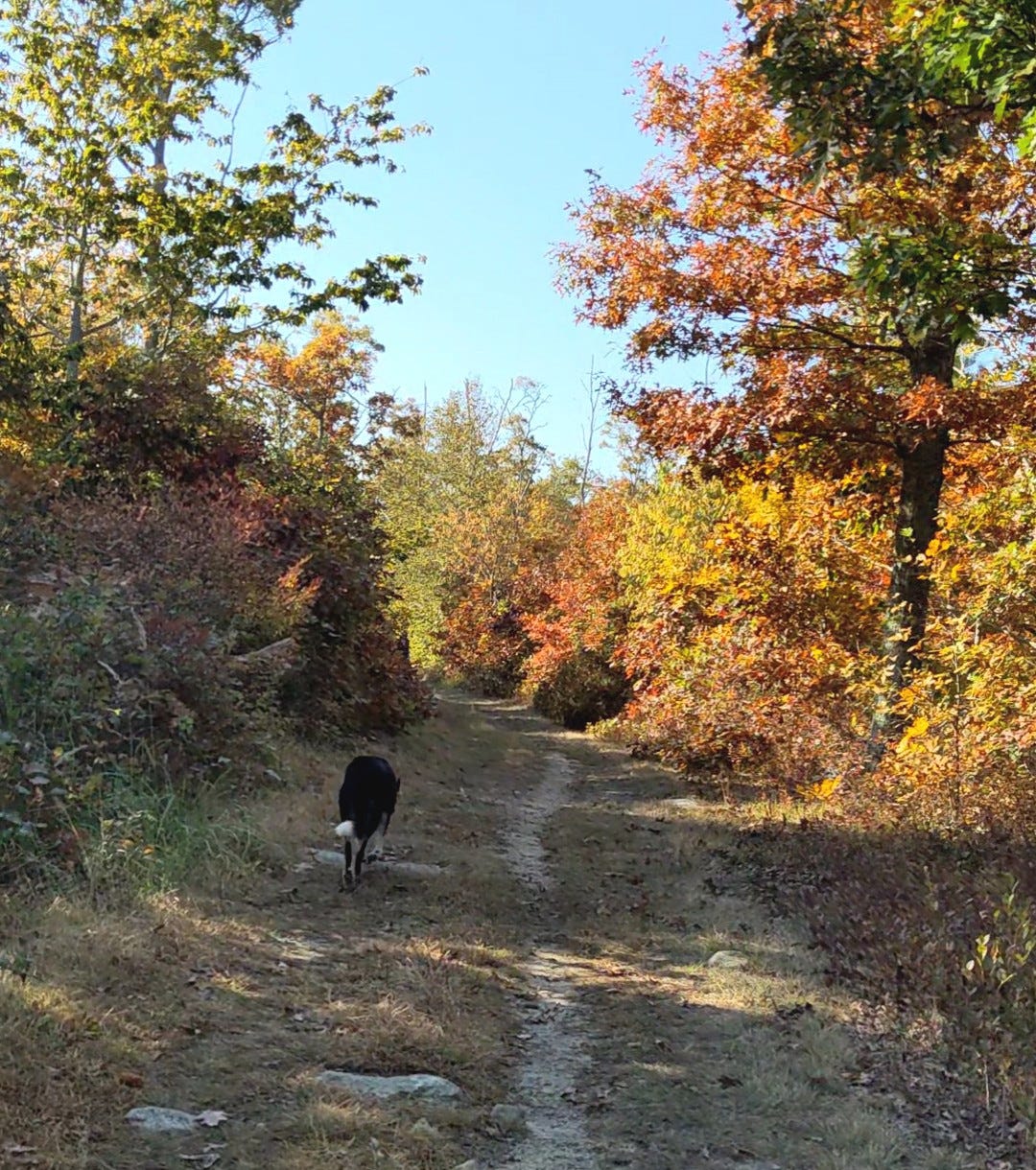
Dog trotting down a wide trail amidst fall foliage
Every day is a lovely day for a walk in the fall.

Happy Tales!

The Number One Most Important Trait a Writer Needs

Do you have what it takes?

As many of you may know, my husband and I recently moved across the country with an advance notice of approximately three months. We sold, gave away, recycled, or just plain threw out half of our stuff, put our house on the market, said goodbye to our friends, hoped that someday our families would be able to make the even longer trip to come visit us, crammed our dog and last two houseplants into the back of the car, and headed east.

An overloaded truck on a busy road
Photo credit: Bernd Dittrich

After all that stress, we were exhausted, at least ten pounds lighter (nothing like a big move for a weight loss plan), relieved, and excited for the unknowns ahead that had pulled us out of our ruts and into a completely new life. (I know labelling emotions isn’t the best way to tell a story, but hey, this has been a big year for them). Our troubles weren’t over, though, with unforeseen health challenges and hospital stays over the next several months, all in the context of a challenging new job and no in-person support network.

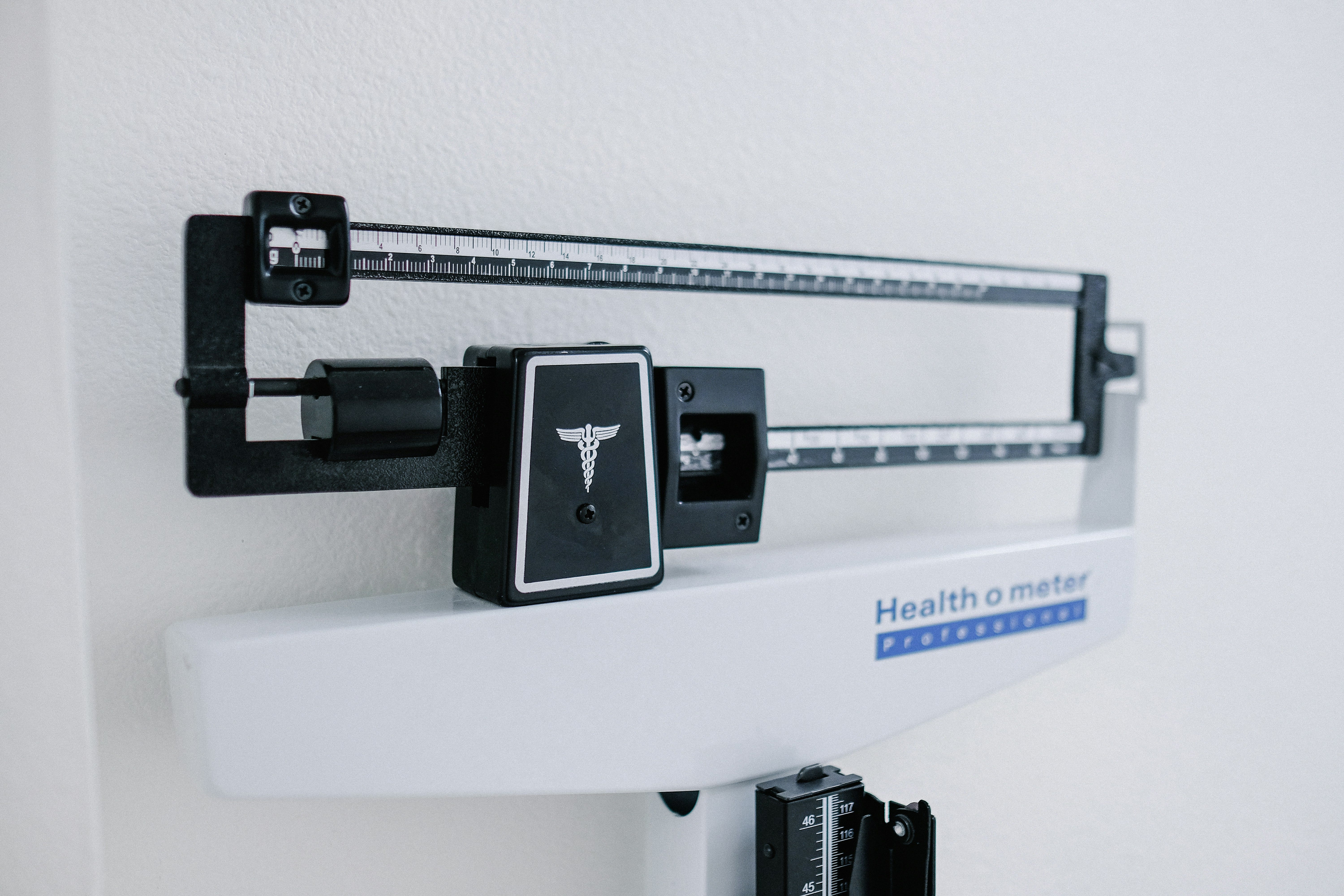
Hospital scale
Photo credit: Kenny Eliason

Sometimes I wonder how it is that we’re functioning at all by now. How am I even writing this post, for instance, when I feel as though the anxiety and sadness that we’ve endured has built to near bursting point behind our carefully-constructed stone walls? How am I getting up every day, pushing down food for which I often have no appetite, throwing on some clothes that only a few people will see, reading the political news that inexplicably has hardly anything to do with climate change, and searching for something, anything, positive to think about or look forward to?

How do I keep going?

How?

Thank goodness I have an answer. Better yet, it’s only one word.

Resilience.

Let me say that again, if only for my own benefit. Resilience. Grit. An ability to claw one’s way from the mud and try again, no matter how impossible things seem.

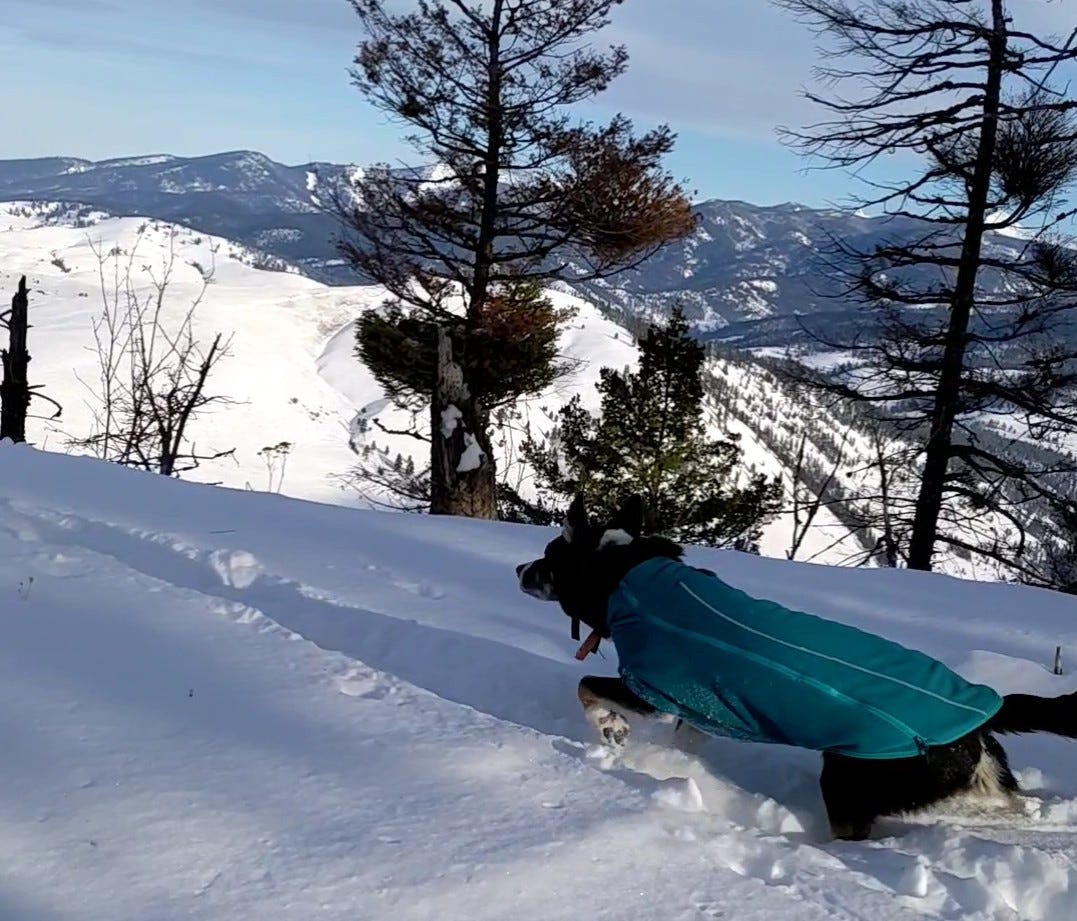
Dog forging ahead through deep snow

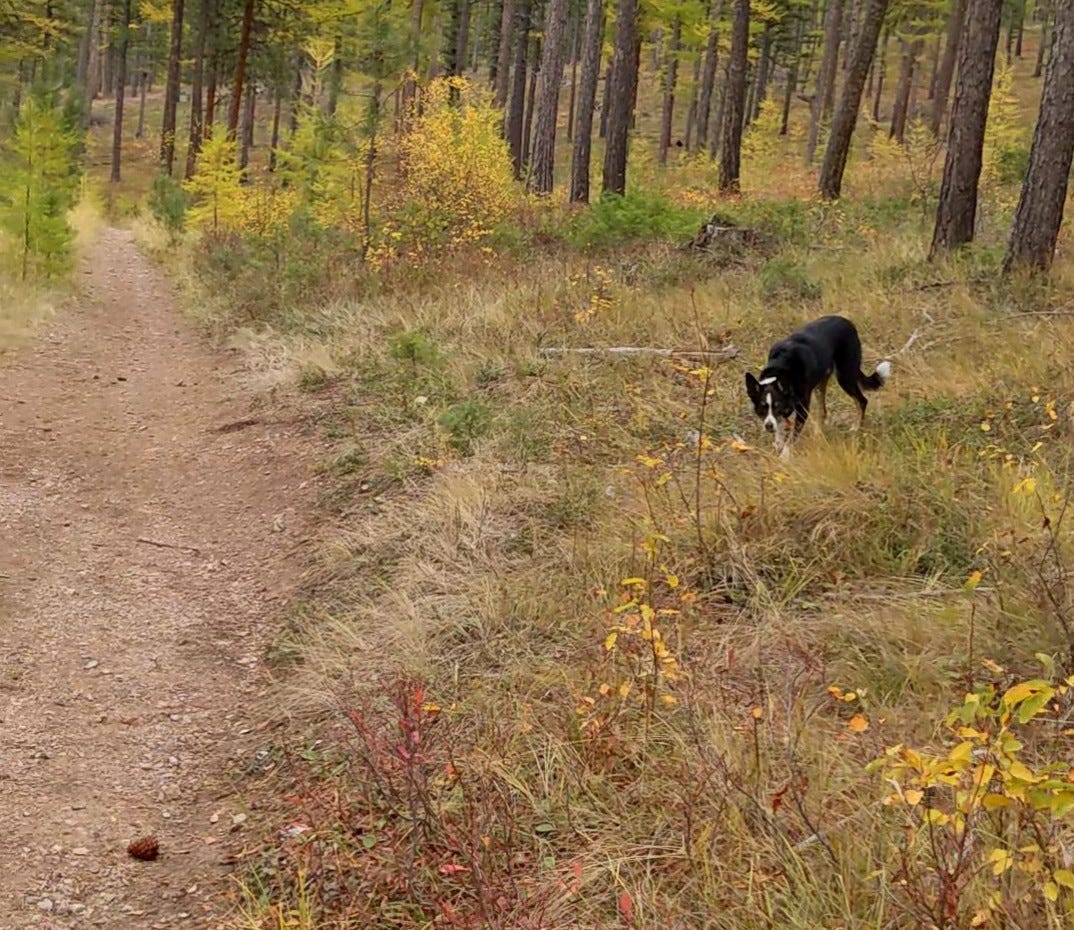
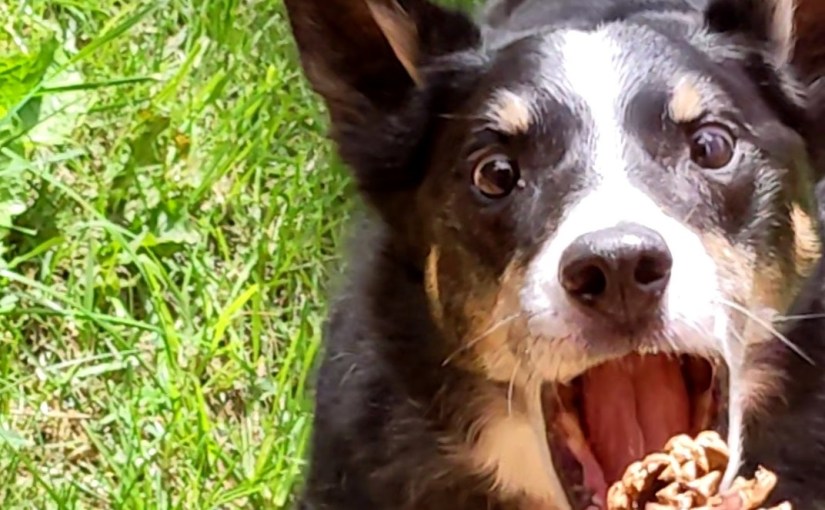
Like so many things in my life, my border collie is my best role model of what this means. Let’s not forget that Tock endured a big change in his life, too—the greatest in all his nine years. He had to give up his precious ponderosa pine cones, for which he seemed to have developed a special receptor in his brain sometime back in puppyhood. When we lived in Montana, he loved nothing more than to roll one down into the trail from where he waited, only to spring up and catch it from me, run ahead and do it all over again. For Tock, that was his definition of a walk, some very productive work, and a fabulous time, all in one.

Dog lying in wait by side of trail, with a ponderosa pine cone placed in the trail for someone (me) to find.
Tock frozen by the side of the trail, waiting for me to find the cone that he has placed where I will trip on it if I don’t pick it up.

When we arrived at our new home, Tock picked up a small, egg-shaped cone from a pitch pine tree but immediately dropped it, like you might if you put what you thought was a refreshing mint on your tongue only to find out it was an aspirin. Not prickly enough! Tock was surely thinking. Too small! Totally wrong! He didn’t touch another one of those cones for weeks, and never even tried pick up one of the longer, softer white pine cones. But in the meantime, did he waste away in despair?

Dog sitting next to two pitch pine cones
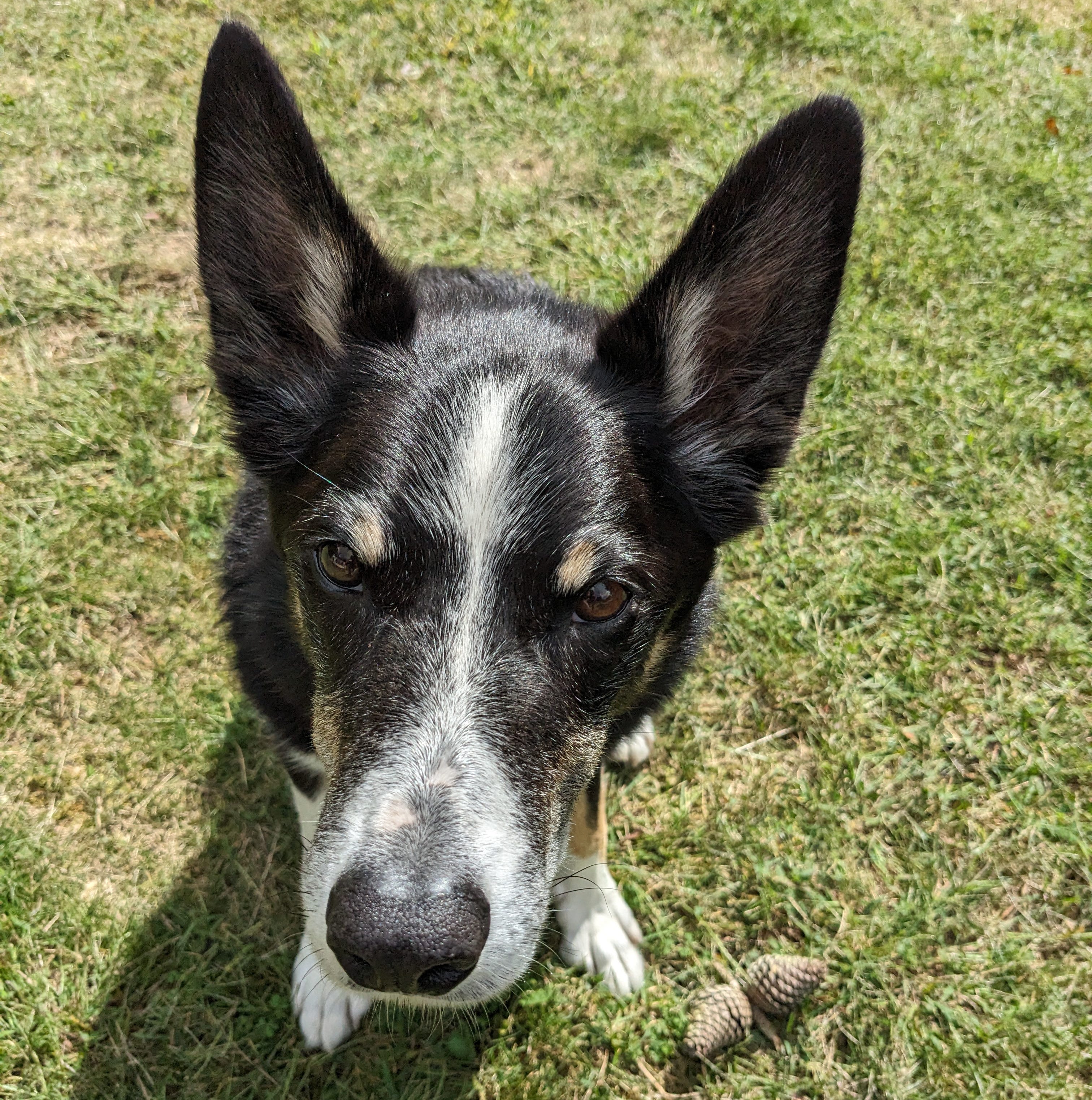
These two pitch pine cones are simply not worth Tock’s time.

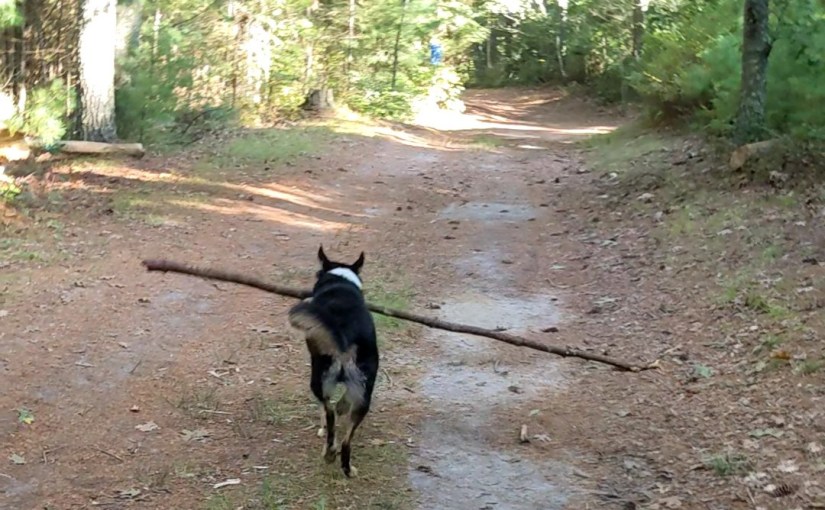
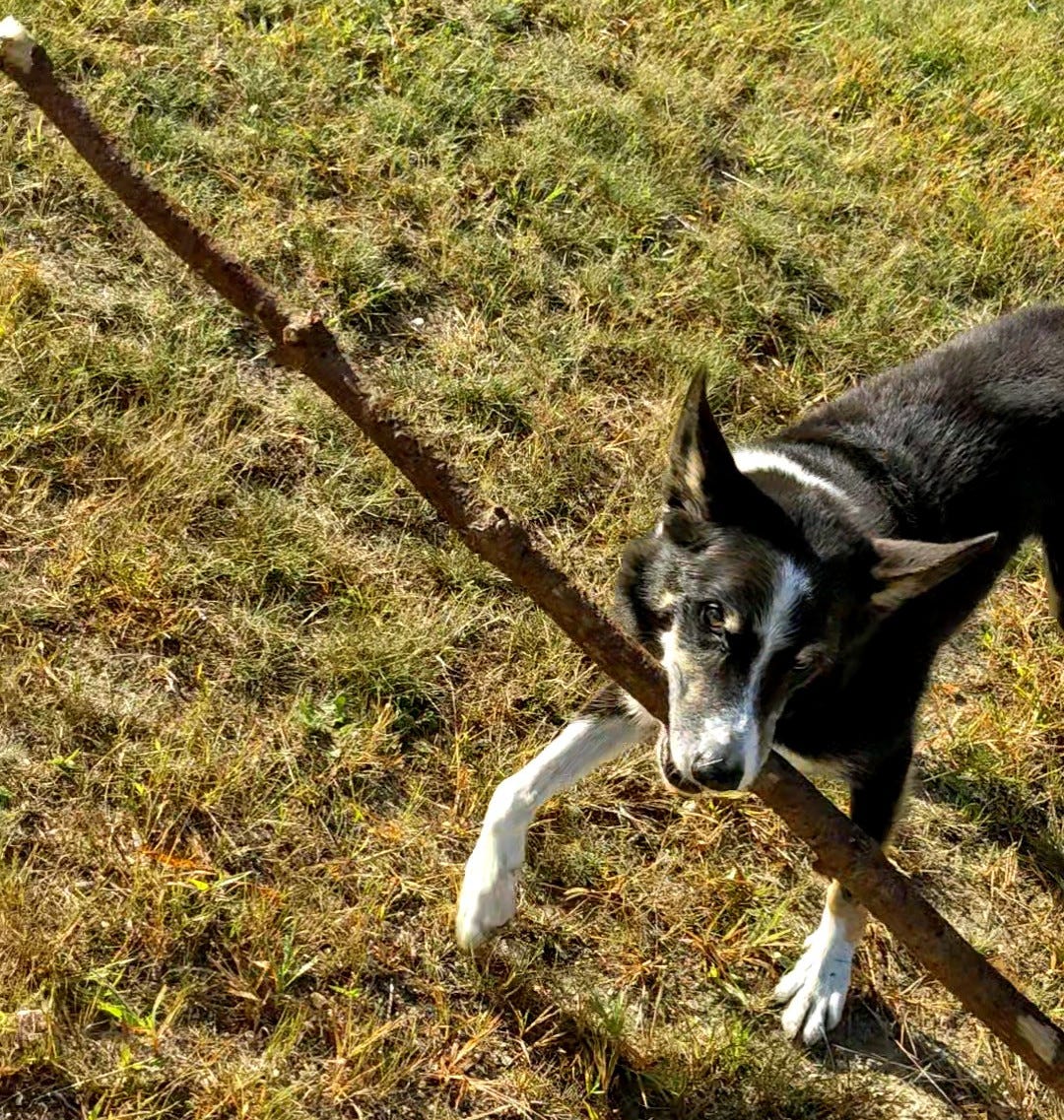
He did not. Almost immediately, he switched to sticks. He might have been a little confused at first because he couldn’t roll them into the trail, but he learned in the space of one walk to bring them back to me and drop them at my feet (or sometimes plow into me with one or thrust it at my face to show me just what an amazing stick it was, but that’s another story). He also discovered another incredible quality of sticks: they float. Nothing seems to bring him greater happiness now than swimming for a stick in a pond, or even in the ocean. Frisbees, which he’ll fetch if there’s nothing else, still remain a distant second. He has fully, proudly made the switch from a western mountain dog to an eastern swamp/ocean dog. And if he still has dreams about ponderosa cones, he wakes from them not with sadness but with enthusiasm for a new day—and a new stick.

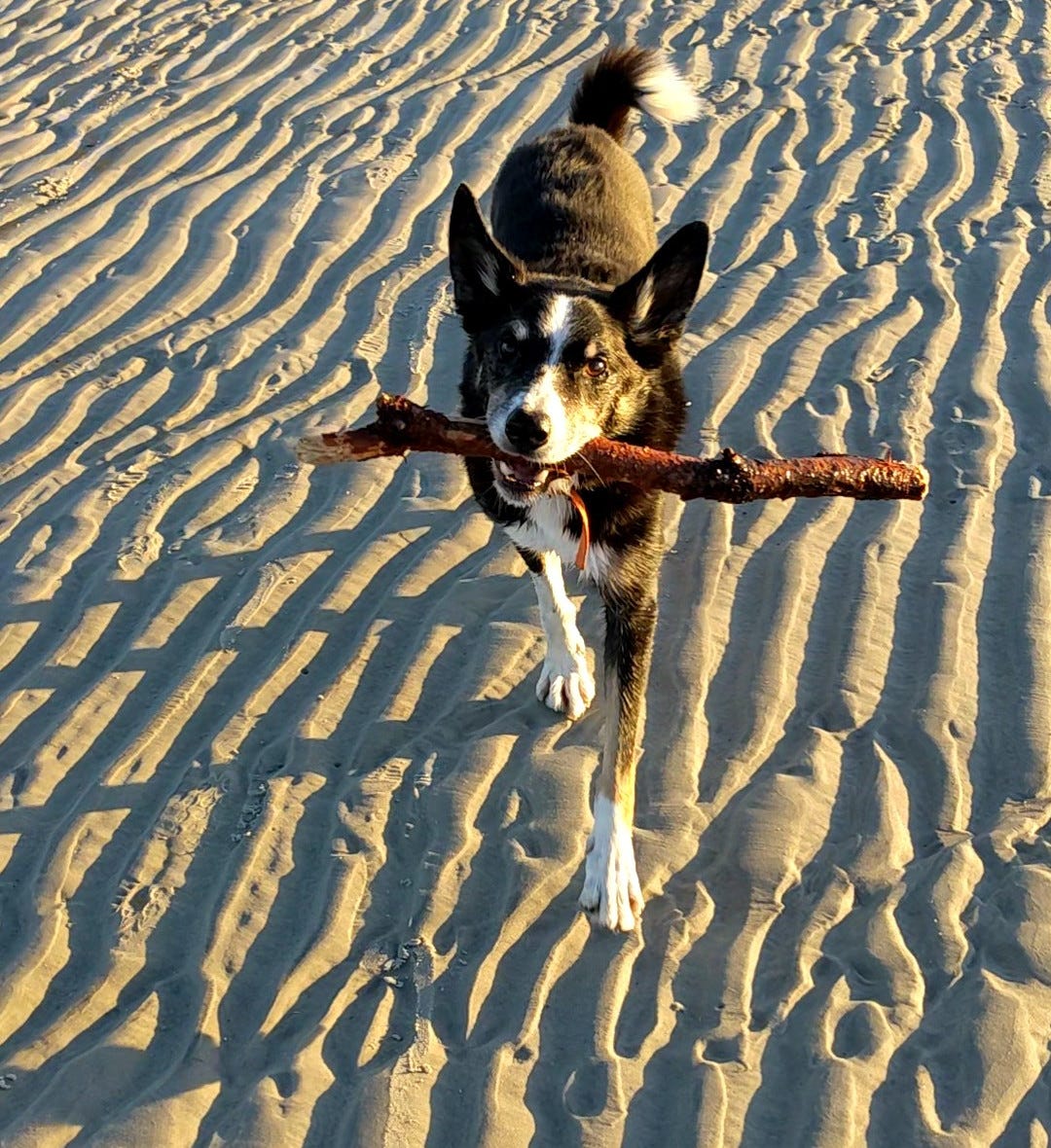
Dog holding a big stick in his mouth
In Tock’s opinion, a big stick is always best.

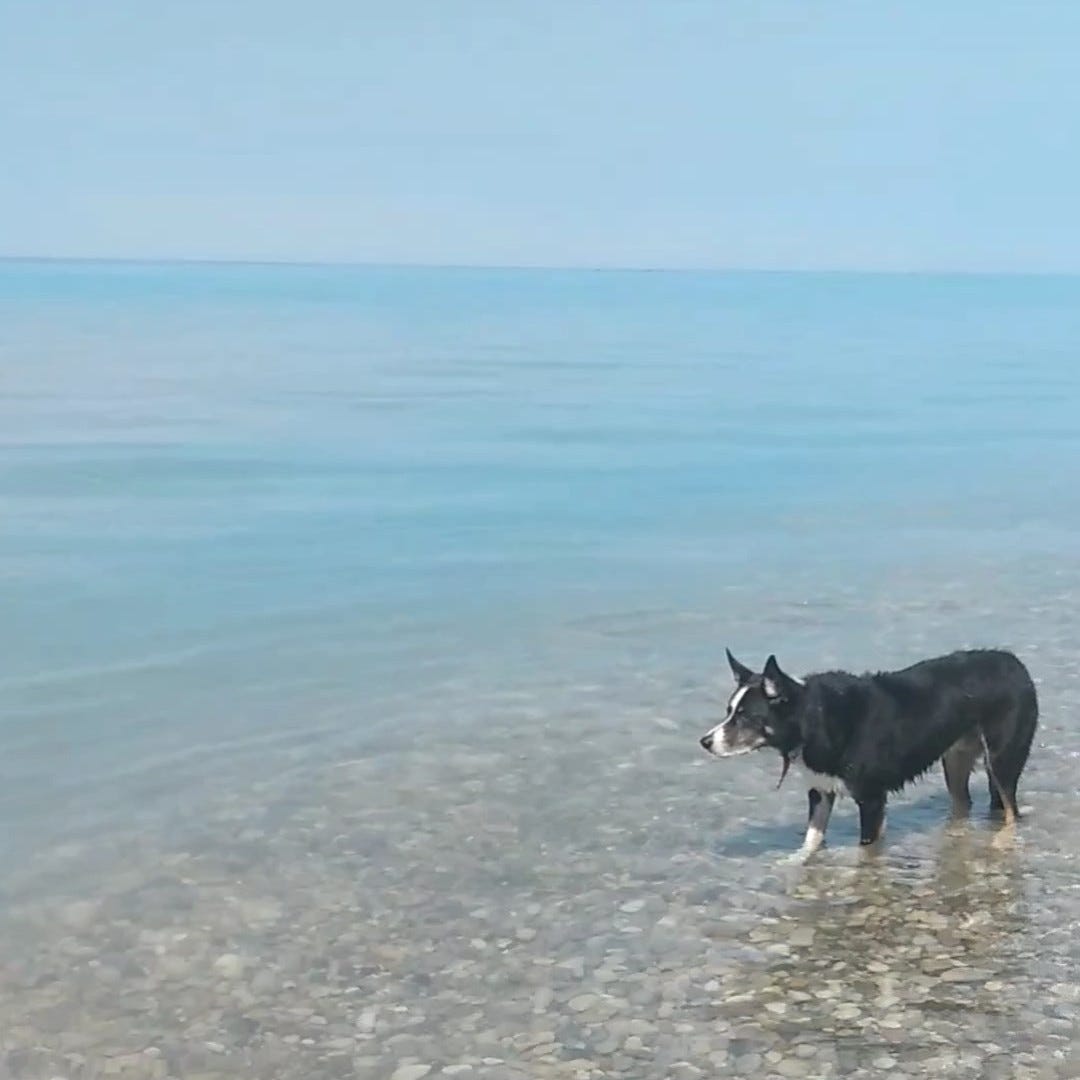
Do I have resilience, too? Sometimes I feel quite the opposite. When I have fleeting thoughts of the lovely mountains that I miss so much, I immediately send them back behind my wall. I build it higher stone by stone, keeping the longing at bay. This sure seems like denial rather than toughness. But … then I take Tock for a walk by the ocean. The calm lap of blue-green water, the warm sand, the wave-smoothed stones soothe my soul and help me accept this trade of one sort of beauty for another.

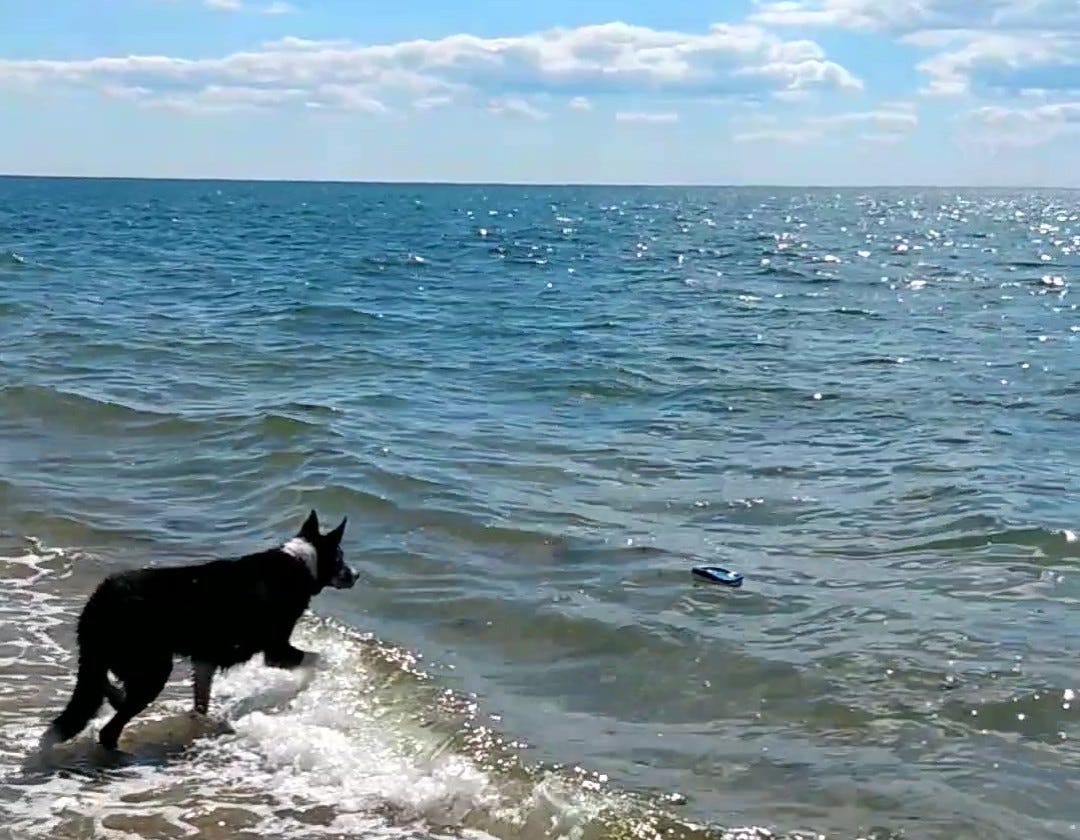
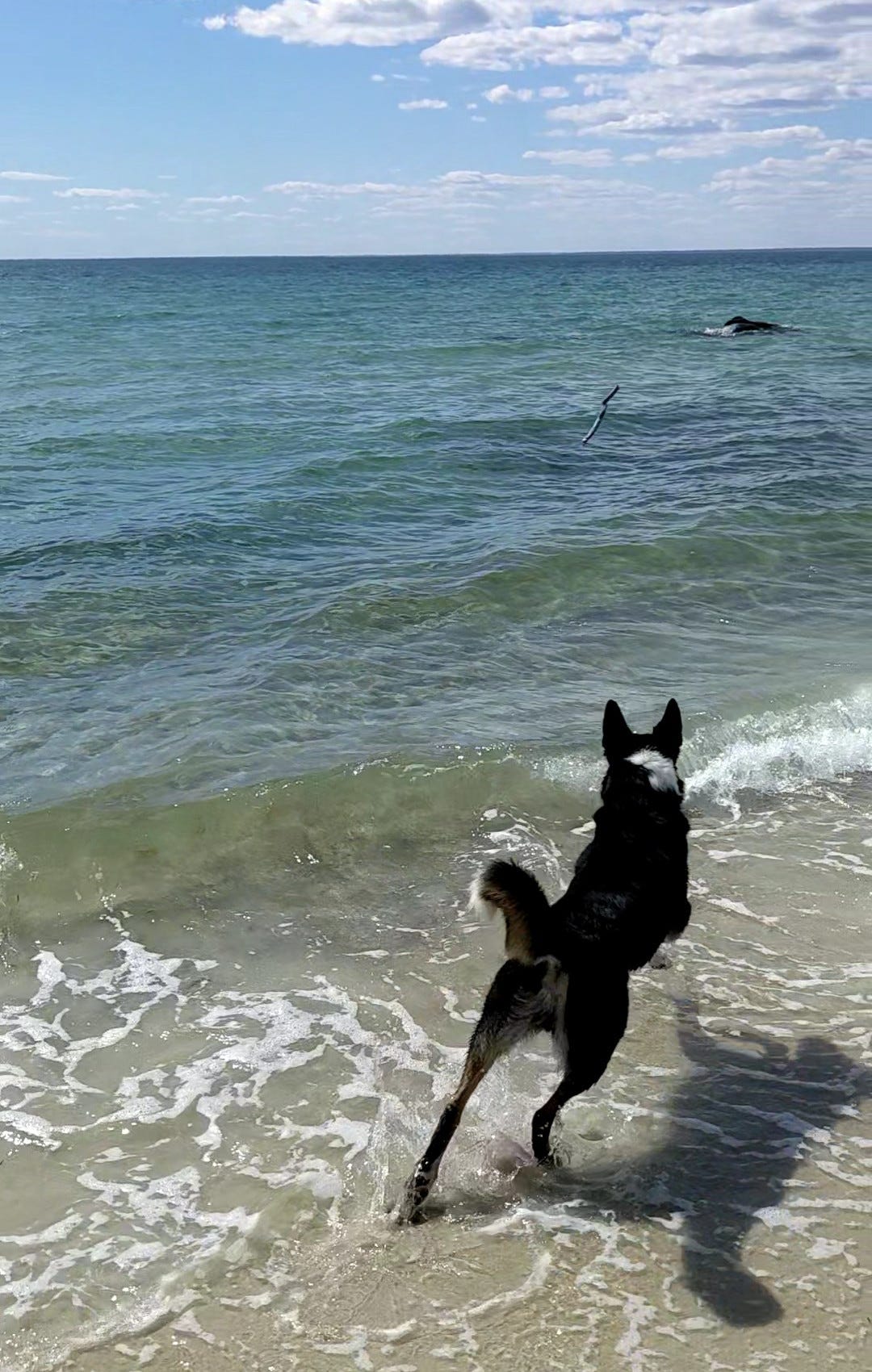
Dog stepping into the ocean, his eyes on a floating stick

Back to writing—and an example that many of you may relate to: when I get yet another form rejection from a literary agent for my gazillionth manuscript, what do I do? Truthfully, I hurl it behind my wall—because if I dwell on it, my heart might as well be ripped out, my dreams destroyed. This is definitely not resilient behavior. But … after a day or a week or a month, I’ll open up that manuscript, fix it, try again. If I’ve queried it enough, I’ll put it aside and start writing something new. Because in the end, I know that continuing with my work is the best recipe. Not for success, necessarily, but for feeling a heck of a lot better than I did before. And because the world of publishing is so very difficult these days, I firmly believe that resilience is the most important trait we writers can possess.

So thank you, my furry friend, for inspiring me to jot down these few words. Simply the act of writing them makes me feel like I’ve climbed atop the stone wall of despair, unafraid of the monsters lurking behind it. And if I tip my head far, far back, I can see the sky.

Happy Tales!

Walk with a View

Do you focus afar … or up close?

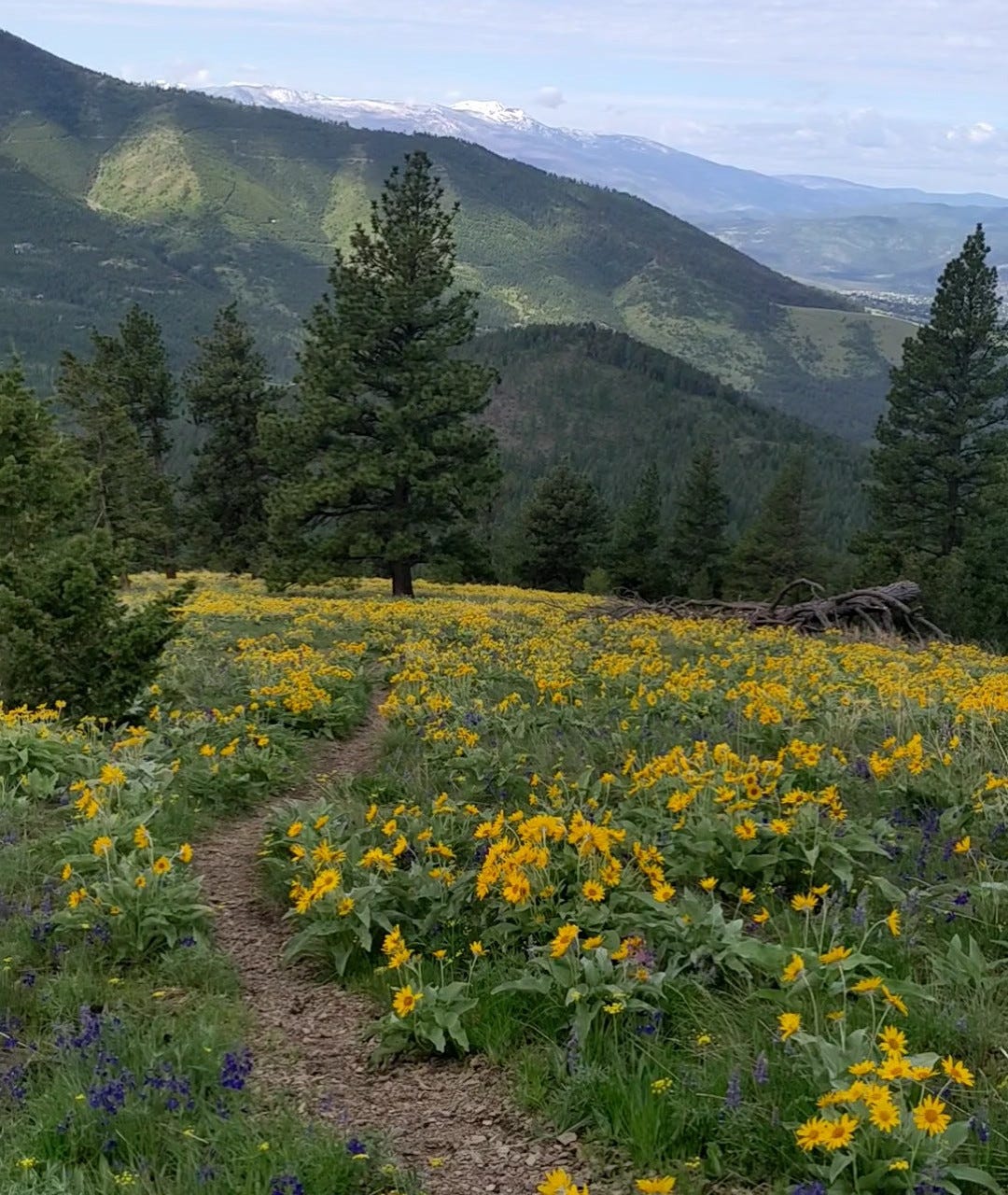
A grassy, flowered Montana slope with Ponderosa Pines and other mountains in the distance.

When I lived in Montana, the “Big Sky” state, I walked in the hills every day. These were grassy rises dotted with Ponderosa Pines, which prefer a lot of open space around their red-black trunks. Mountains rose not only beneath my feet, but miles away, blue with distance. Sometimes the grass was green and speckled with purple lupine, orange paintbrush, and yellow balsam root, sometimes it was brown and shriveled in the summer heat, and sometimes it was covered with a shawl of snow. But no matter the vividness of the hues, no matter the searing heat or the biting cold, my one constant was a sense of space. An expansive feeling, as if I had taken a big breath of helium over the course of an hour and a half walk and could practically float downhill toward home. My dog, too, seemed to feel this way, galloping and leaping far from me for pine cones, rarely slowing in the crisp dry air, even on the hottest of days. We always arrived home tired but exuberant. My head would spin at the thought of the distance we had covered and the far-off allure of hills we had yet to climb. Maybe tomorrow…

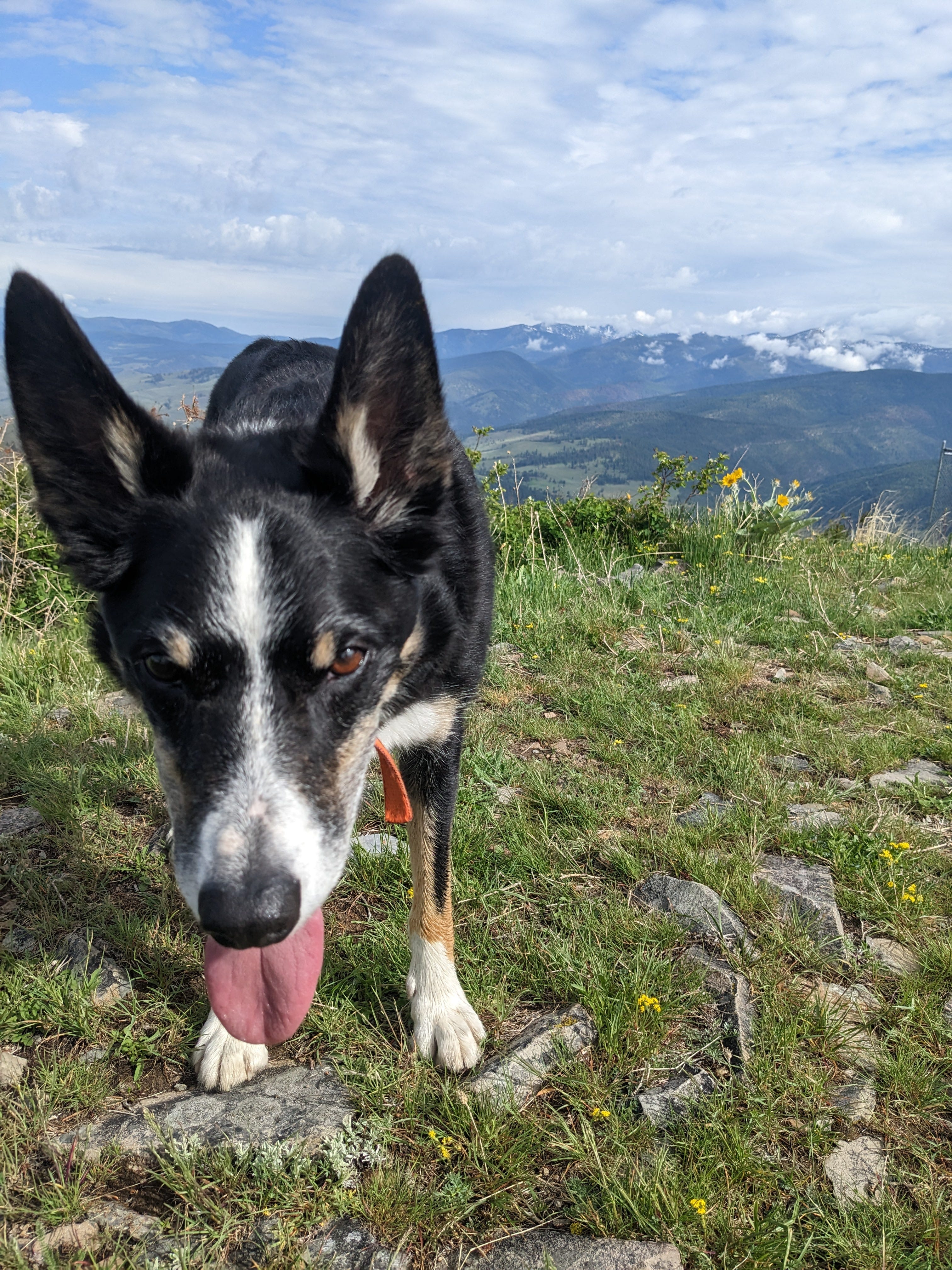
Dog panting on summit of a hill, with more mountains in view behind him.

To me, this experience of traveling while keeping a loose focus on the horizon mirrors how I feel when I draft a new novel. From that very first step onto the metaphorical path, I have a lofty goal in mind. The top of a hill becomes the “what-if” that my main character is heading toward. What if a musical prodigy suddenly loses her ability to play? What if a phobic kid discovers he has to get rid of his safe space? What if a girl wants to sing, but is forbidden because it’s too distracting? I take some loose warm-up steps and my mind releases the premise, the inciting incident, and the theme. I see the major obstacles my protagonist will face as clearly as spotting a plume of fire on a slope.

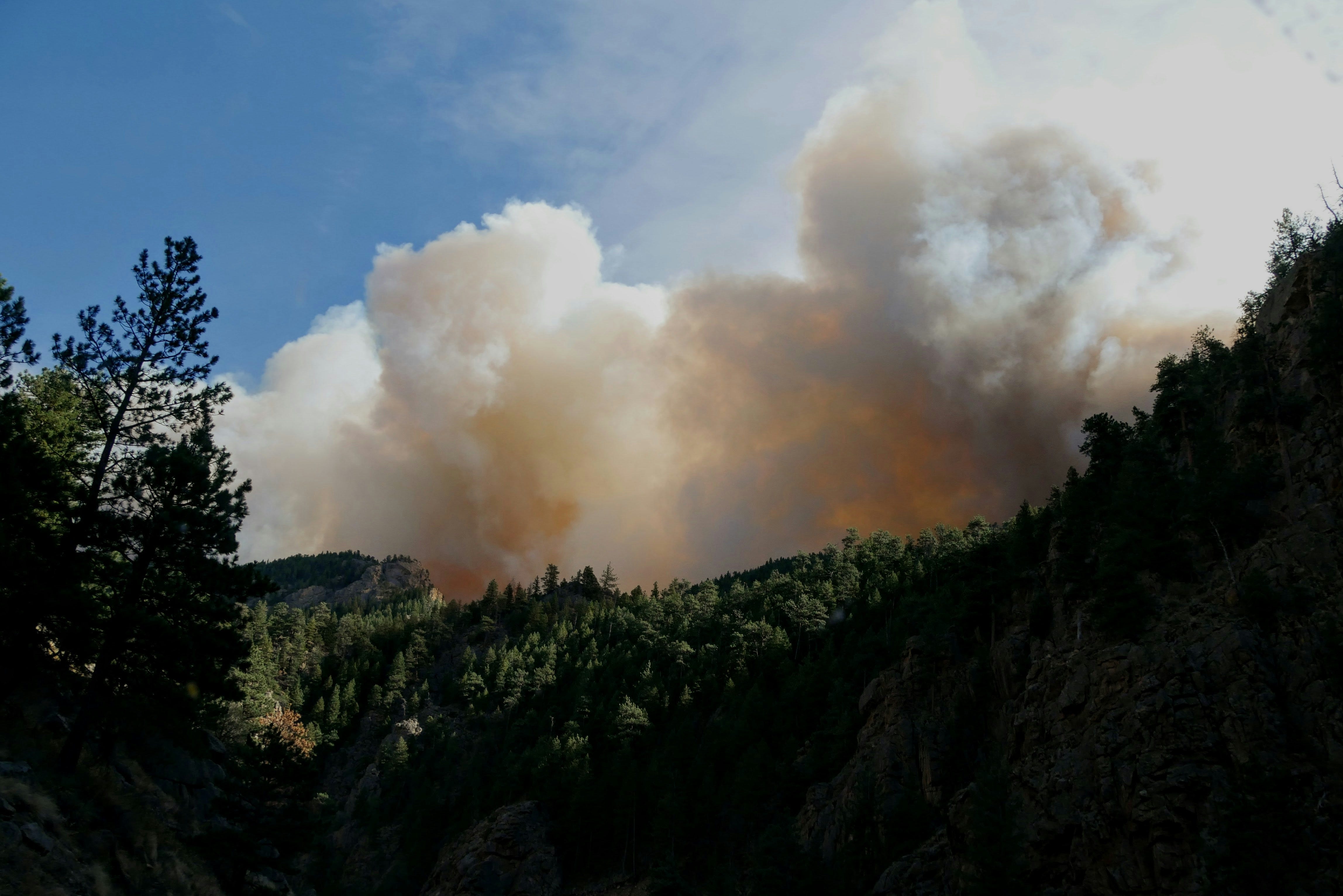
Orange smoke rising from behind a forested hill
Photo credit: Malachi Brooks

As I approach the top, chest heaving, legs burning, I begin to understand how my main character will take a long hard look in the mirror and come to grips with some difficult self truths. I scrabble higher still. The mountain no longer seems impossible to climb. I step to the summit — the climax of the story! On my way back down the hill, the final resolution unfolds. I’m now able to link my characters’ emotional journeys and all of those critical plot developments into a full story. Even the setting becomes more alive. I can see the entire thing! As soon as I get home, my fingers fly across the keyboard as fast as my feet.

Wrong turns happen, of course. Sometimes I end up on a completely different summit than the one I envisioned when I started out. This is not only the reason I spend so much time plotting out a story in advance but the reason it’s so fun. My creativity never feels constricted in any way – not during this plotting stage, nor during the actual writing of the story itself. There’s always room for change.

The time for a constricted view comes later in the writing process: the editorial stage. Though revision starts and ends with a big-picture look at the whole story, the majority of the work lies in much smaller sections. It’s crucial to read closely with an eye for detail and an ability to dismantle the writing chapter by chapter, scene by scene, even line by line.

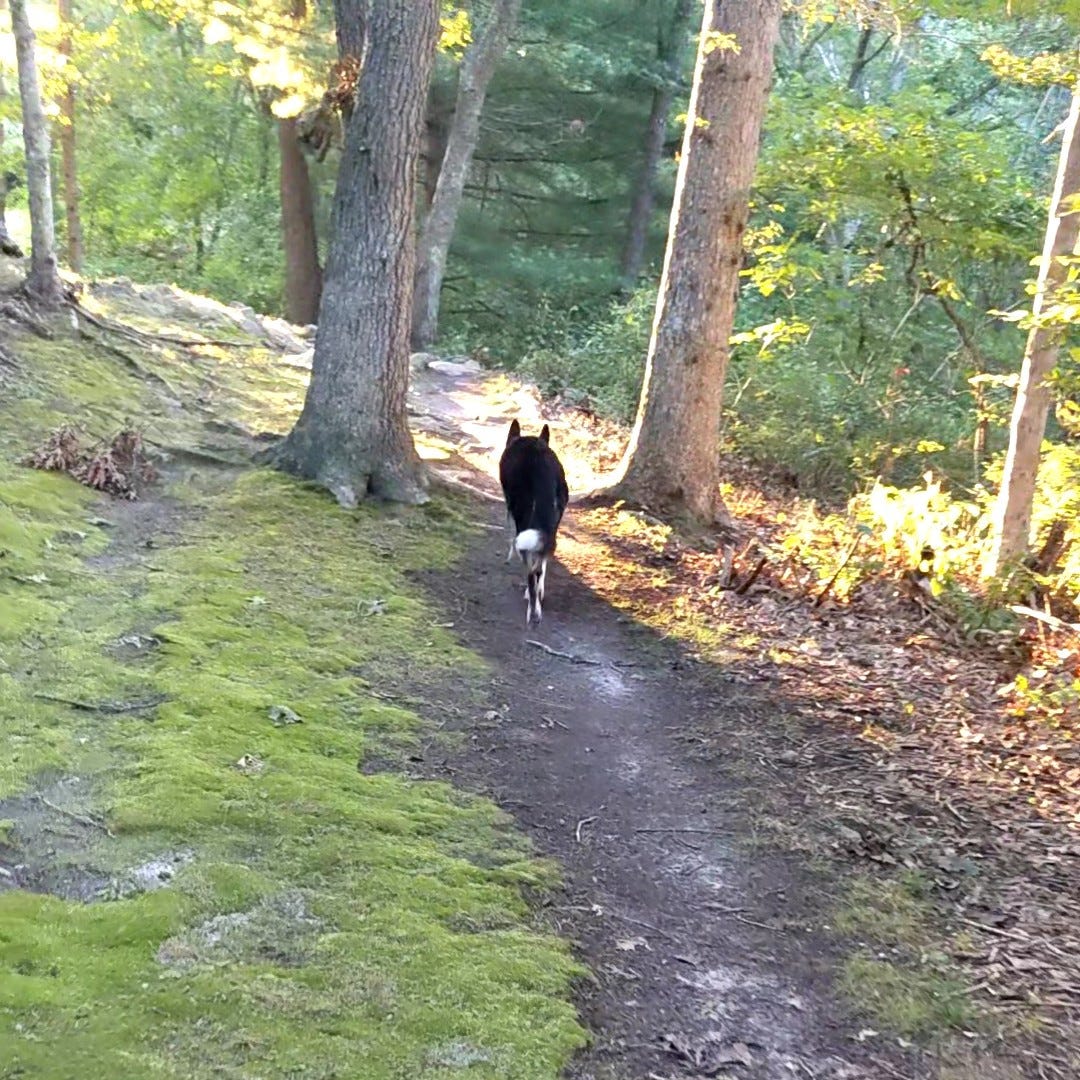
My new daily walks in the woods on Cape Cod are the perfect example of close focus. As soon as my dog and I plunge into the dense vegetation, we lose sight of the sky. We’re immersed in a jungle of branches, vines, and leaves. We follow narrow paths beneath tilted rotten trunks, twisting to avoid the sticky, insect-ridden webs that stretch from one side to the other. My dog bites at deer flies. I swat at mosquitoes.

When vegetation brushes my arms, I think of the tiny, nearly invisible ticks it harbors, carrying all sorts of nasty diseases that can lead to joint pain, fevers, organ failure, and death. Unlike Montana with its bears, mountain lions, and wildfire, the dangers here are so small they can’t be seen with the naked eye: a parasite, a bacteria, a virus. My mind travels inward to dark, anxious problems that I know I must solve. What does my protagonist really want? How can I make her more relatable? Is his voice consistent from one page to the next? Except for a ferry foghorn and a Barred Owl’s hoot, sounds in the woods are small and muffled. A mosquito’s whine, the thud of a foot atop damp leaves. Even the air is difficult to breathe, close, still, thick with humidity.

Such is the slow, painstaking process of revision. If you feel trapped in the minutia of your story, you are not alone.

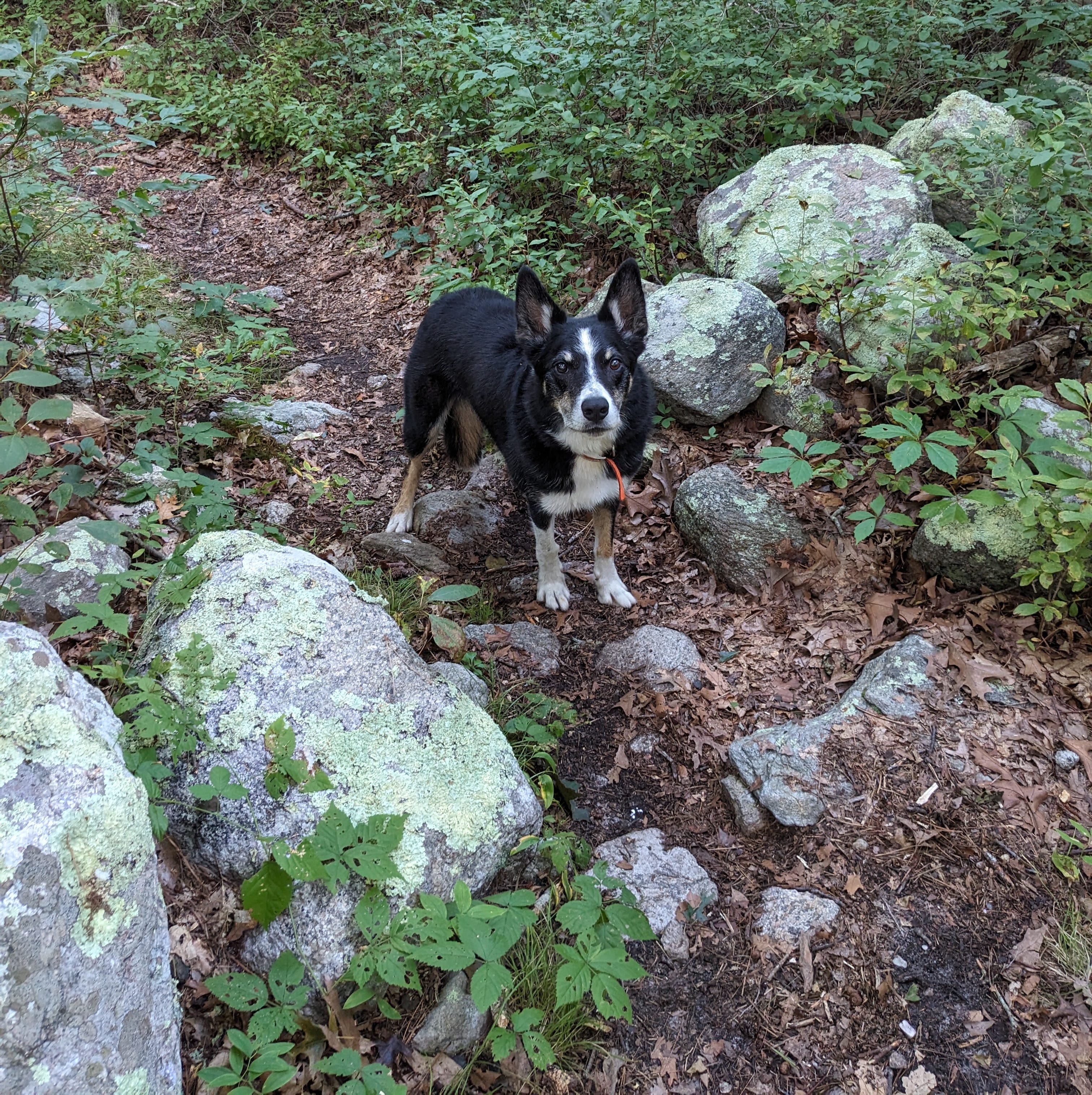
Dog sitting behind a bright red mushroom in the woods

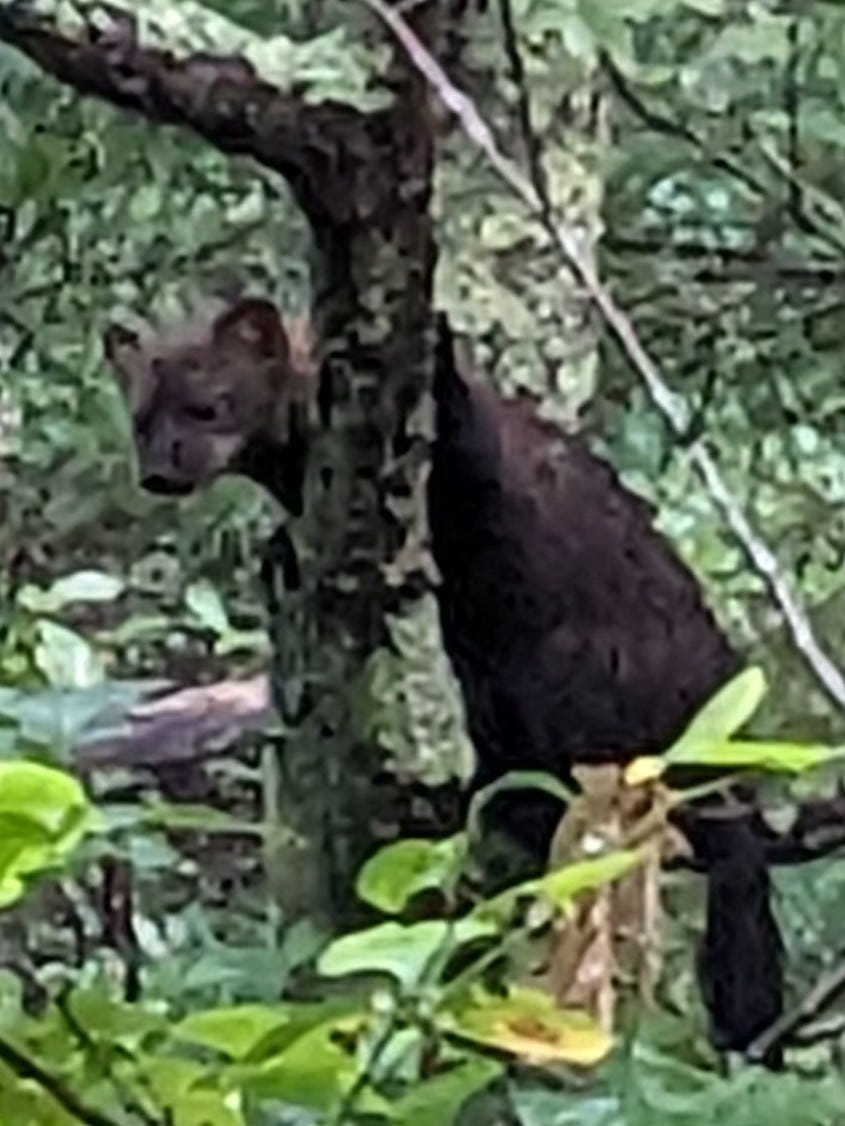
Yet great beauty lies in the closeness. In some ways, I would argue, it is more vivid and special than those distant spectacular views of mountain peaks. The impossible green of new leaves. The bright pink Lady’s Slipper peeking from beneath a blueberry bush. Mushrooms everywhere, sporting unreal colors on their fruiting bodies. The nutty aroma of dead leaves, so potent in places that my stomach growls, hungry for baked goods. The meandering line of an old stone wall, appearing on one side of the trail and disappearing on the other. The fuzzy face of a young fisher clinging to a tree, seemingly as curious about me as I am about it. The kingfisher skimming the pond’s flat surface, the osprey scanning for fish from its high snag, a chorus of invisible frogs. Something rustling the underbrush: a deer, an otter, a turkey, a gloriously red-brown coyote. I stop to soak in the surrounding jungle with all my senses, my face dripping with sweat or rain. Often I can’t tell which. Though the elevation gain is small compared to climbing an entire mountain, the roller-coaster ups and downs of the trail are just as exhausting. Maybe more so, in the heat of summer.

This slow, strenuous progress is probably why many people dislike revision. But I’ve come to love it. And when I’m finally ready to step back and read the whole manuscript again, to see whether it makes sense, it’s like stepping from the shade of the trees into the sunny field, brushing away the spiderwebs, knowing that soon I’ll wash all the bugs off in the shower, my dog collapsed on his side in a happy stupor. For both of us, only the sense of accomplishment and memories of forest beauty remain.

Dog sleeping in the grass

What’s your favorite part of the writing process: loose focus or close?

How about when you go outside?

Young fisher in a tree

Happy Tales!

Getting Back in the Game

Dog staring vacantly into a lake

Have you ever felt as though you’re floundering, uncertain what to work on next? Perhaps (1) you’ve finally finished that first draft after months (years!) of effort, let it sit for weeks (months!), and now haven’t any idea what to do with it. Or (2) you’ve perfected your story (Seven revisions! Countless brainstorming sessions with critique partners!), to the point that you know if you work on it any more it’s only going to get worse—but the thought of querying is enough to freeze you from the inside out. Or (3) maybe you’re lucky enough to have moved past those hurdles and you’re actively querying, negotiating, revising (again!), publishing, or marketing, but everyone* wants to know what’s next and your muse isn’t merely hiding, it seems to have jumped off a cliff and swum out to sea. *By “everyone,” I mean you, plus at least one other person, if you’re lucky.

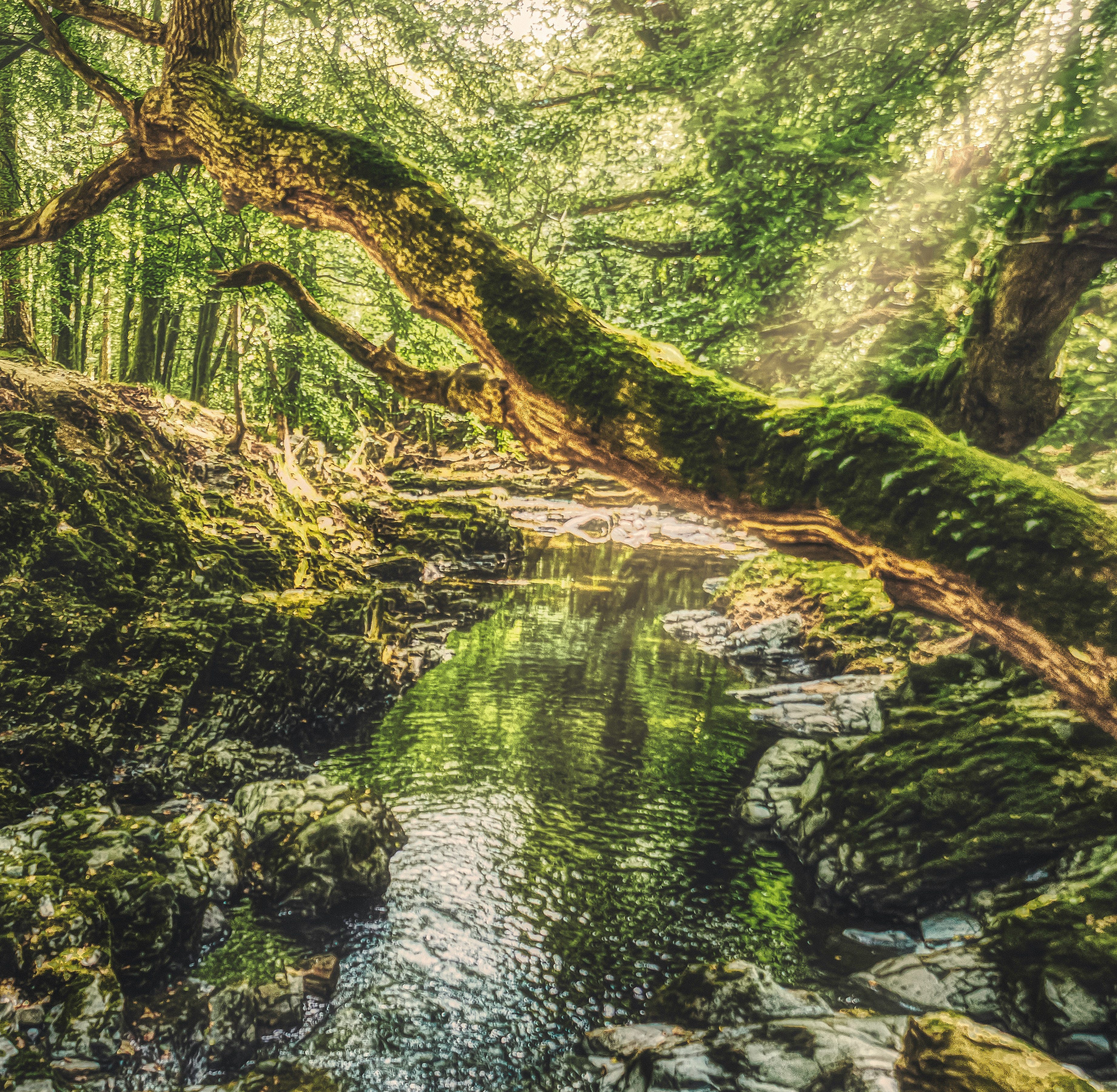
mossy tree limb stretching over a creek
Photo credit: K Mitch Hodge

Never fear. I’m going to go out on a limb here and say that if you haven’t experienced at least one of these gut-wrenching dilemmas, you’re not a writer. In fact, I might as well wobble my way to the end of that bouncy branch and say that if you haven’t experienced this in any pursuit you love, then you haven’t lived.

So … let’s address Dilemma #1, when you’re stymied after finishing your first draft. Well, I have a little confession to make. I never succeed in letting my story sit for long before transitioning into Editorial Mode. I have such an over-zealous work ethic that I can’t help but jump almost immediately into revising what I wrote, the same way I feel compelled to walk my dog every single day despite rain or shine, wind or blizzard.

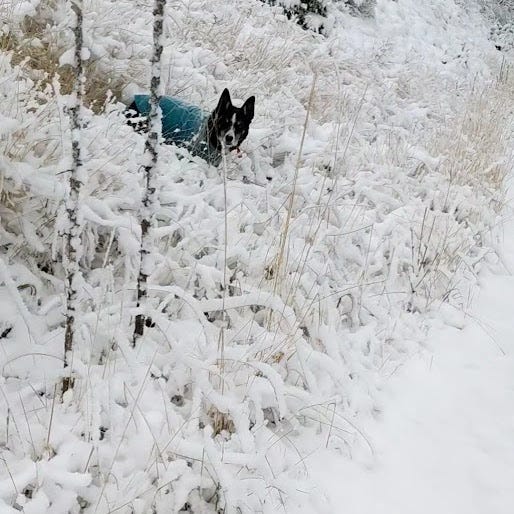
Dog waiting for me on snowy walk
Tock and I enjoy our walk no matter the weather.

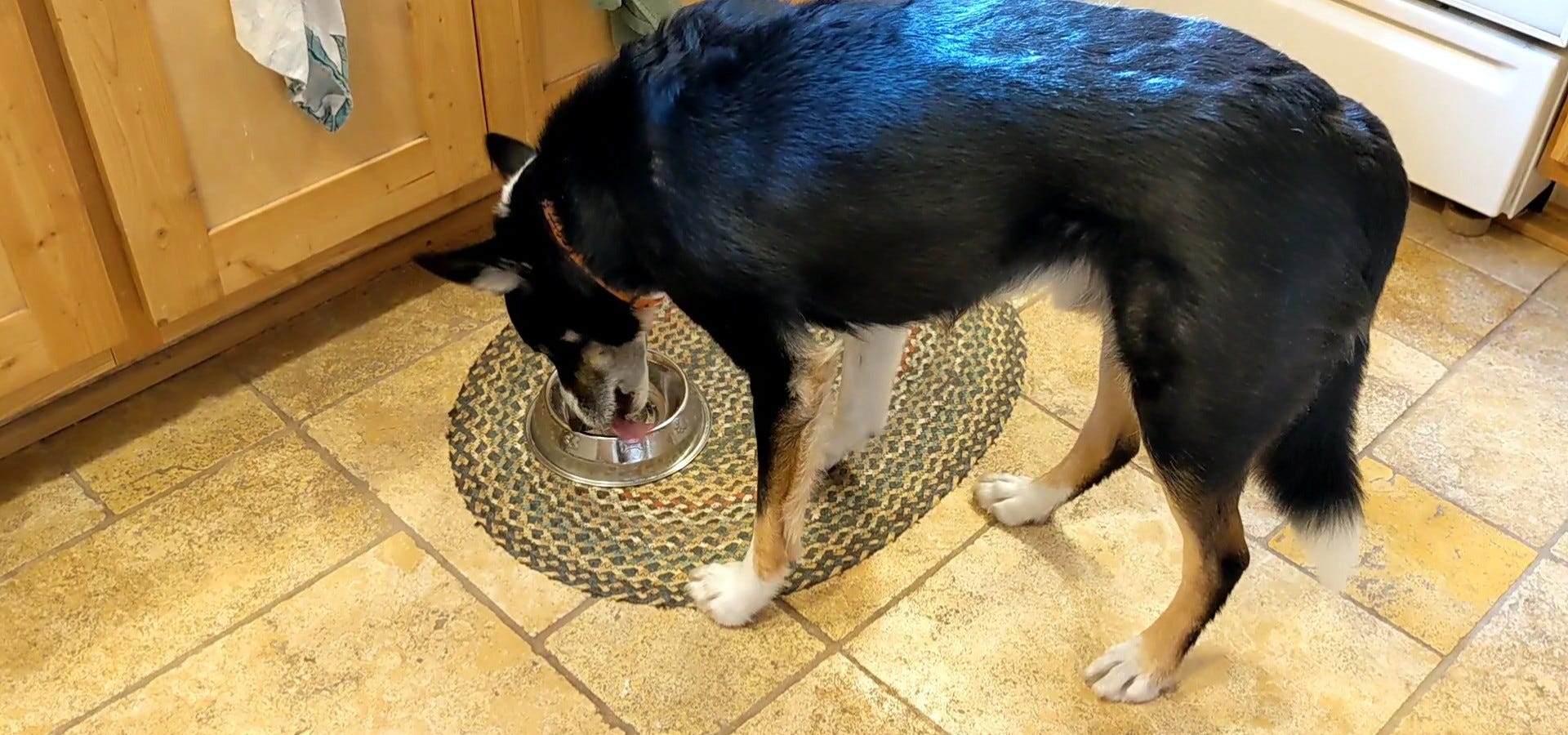
Though my turnaround from writing to editing is quick, the process I use is gentle. This is because my revisions don’t begin with actual changes. Instead, I start with something that is so fun I want to do it. I look forward to it, the same way Tock faceplants into his bowl of breakfast or dinner kibble.

Dog eagerly polishing off his dinner

And what is that super fun step? Kind of like a dog sniffing where they peed the previous day, I get to read what I wrote. At last, I can see my story as a whole piece rather than merely a painful collection of sentences, paragraphs, and chapters. With sort-of completed arcs of character and plot, my story sort-of resembles what someone might want to read someday. It shows me that though I may yet have lots of work ahead, I wrote a story. I did it! Hooray for me! It’s a major confidence booster—and we introverted, insecure writers need all the ego boosting we can get. Most importantly, I make notes as I read on where the world and characters need development, where the plot drops into sinkholes, where the pacing sags or speeds too fast, and where things simply don’t make sense. These notes, in turn, give me a launching point from which I can step into real revisions. And after this full immersion in my manuscript, I not only can revise it, I want to!

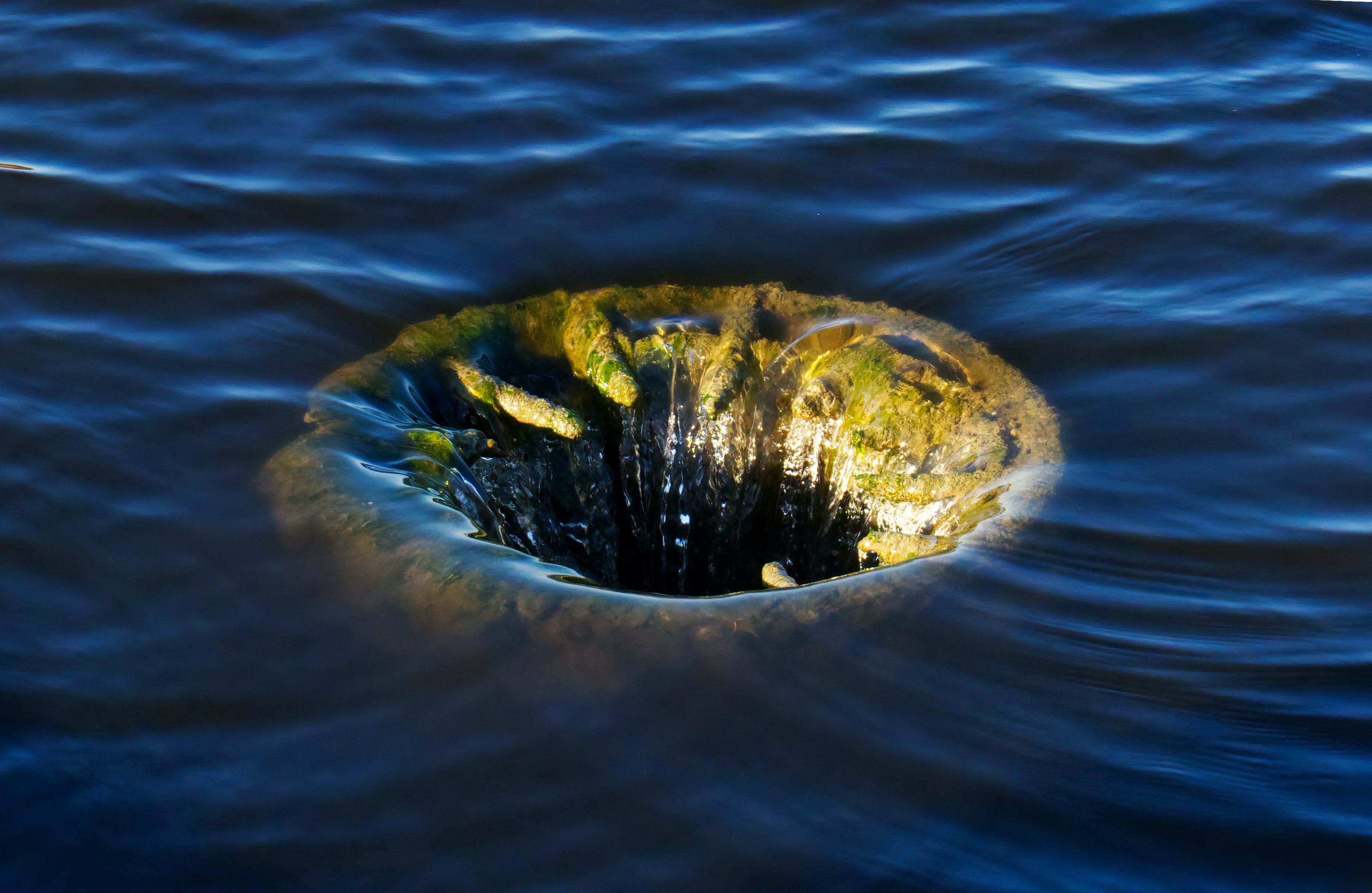
a mysterious hole in the water, into which the water is plunging
Spotting holes in the plot is the first step. Photo credit: Simon Hurry

But what happens once you’ve revised so much that you’re sick of it? I realize that I’ve gotten to this point when I start to question why I wrote the darned thing in the first place. It’s best if you don’t nitpick at it quite that long. Before all pride and joy in your creation vanishes, accept that it’s time to move on. Assuming you want to publish traditionally, this brings us to Dilemma #2.

Querying.

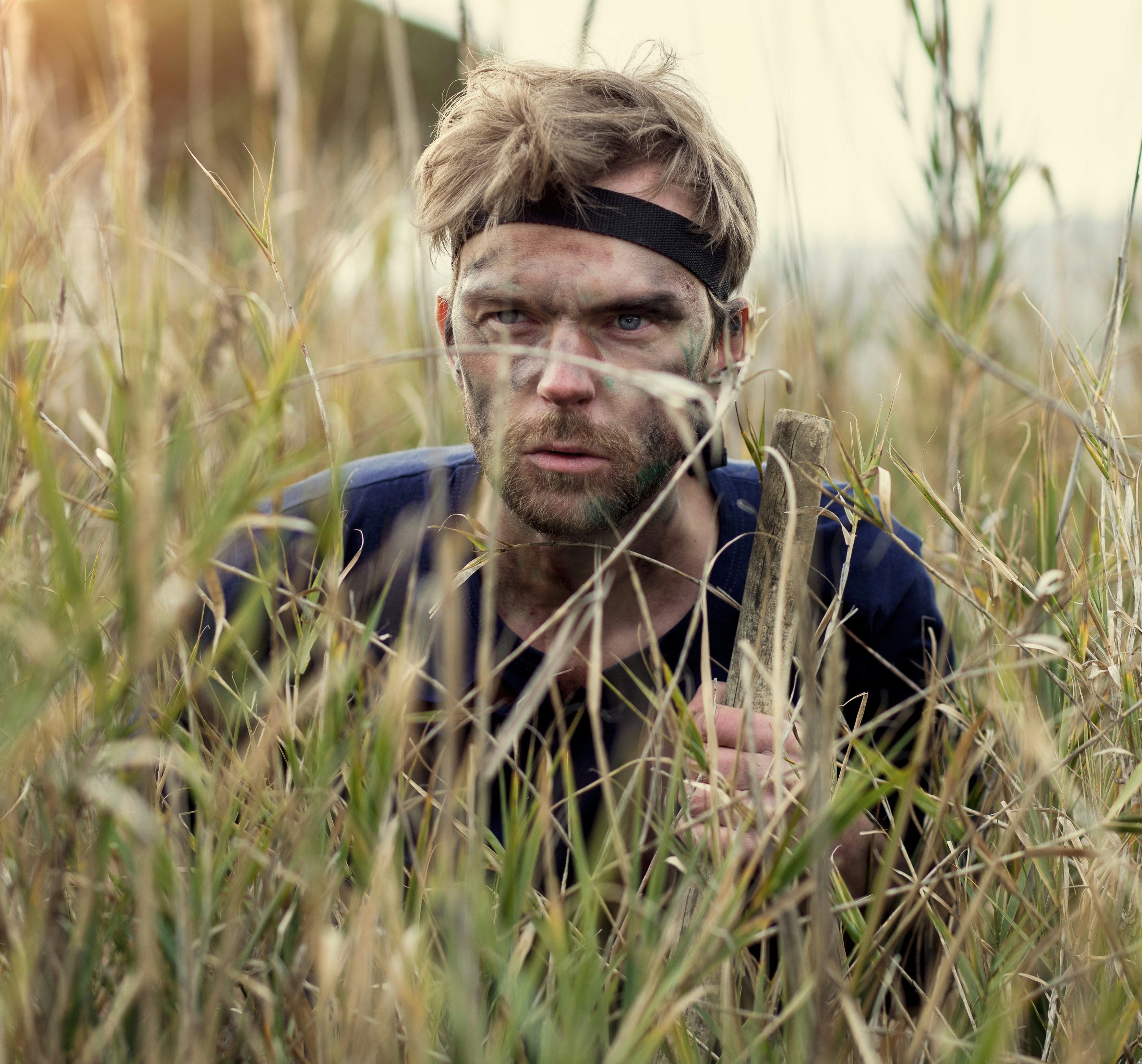
Tense, dirty soldier hiding in the grass
Photo credit: Sander Sammy

To me, this is the most terrifying, blood-shedding step in a writer’s life. You only get one chance with most literary agents to put your stuff in front of them, and if they reject you, you can never again try to persuade them to take on that particular manuscript. Even the rejections themselves are hard to bear – mostly form letters or no response at all. I don’t know which is worse: knowing with certainty that it’s a brutal “no thanks,” or not knowing and thus retaining some hope until, months later, you finally have to mark it down as a rejection by default.

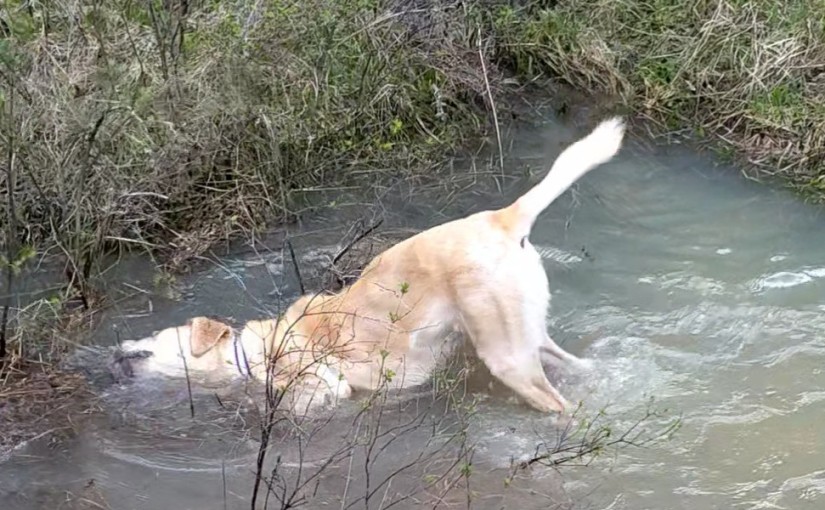
I have nightmares about querying. I think it’s safe to say that prostrating myself in front of an agent is my least favorite activity on the planet. So what do I do? As so often is the case with me, I look to my dog for inspiration. He’s always been a scaredy-pup, startling at big birds flying overhead, or a skunk waddling out of the bushes like happened last week (did Tock investigate and get sprayed? Thankfully, no. He scurried past it and waited for me a respectful distance away). He used to worry about swimming, standing for minutes on end gazing forlornly at a stick in the water just out of his reach. He still takes his time, studying the stick for a few seconds to a minute before paddling out to it. But he’s learned to swim farther and farther these past couple years, and eventually retrieves the sticks, every time.

dog staring at stick in water a few feet away
dog has swum to the stick and captured it!

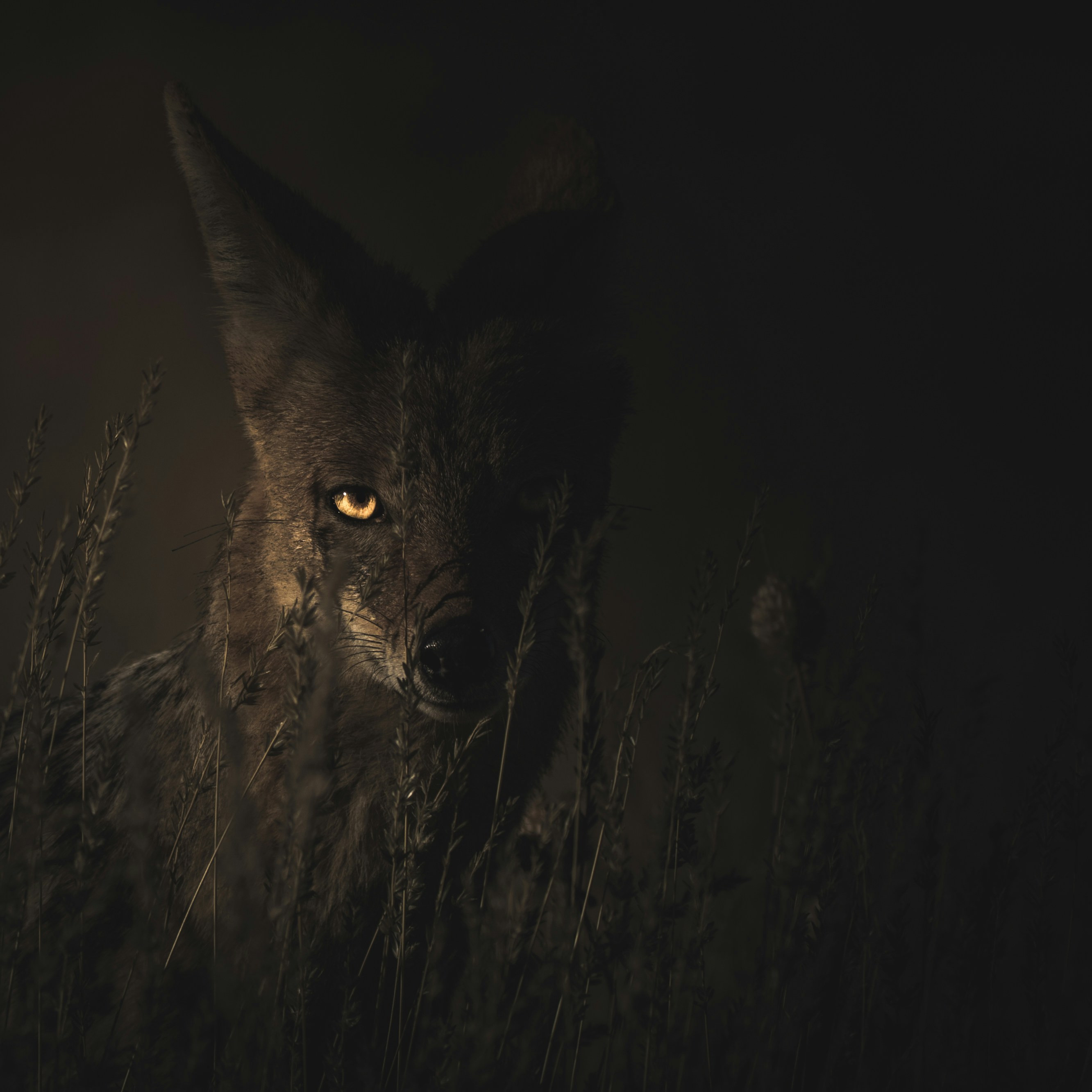
The most frightening thing that Tock recently experienced was when a large unleashed dog charged down the trail toward us and jumped on him. Not in a friendly way. In a split second, the dog had my poor puppy on his back and was standing over him, snarling and lunging at Tock’s neck. In the next split second, I got over my shock at what had just happened and called for Tock to come to me. He wriggled out from beneath the dog, ran to me (fortunately uninjured), and we hurried away. I was so anxious to make his experience seem less stressful than it surely was that I didn’t even stick around to chastise the aggressive dog’s owner, but walked briskly away, rewarding Tock with treats all the while for his smart decision. But I worried that now Tock would view meeting new dogs the same way I view querying: One hundred percent terrifying, one hundred percent something to be avoided forever.

a yellow-eyed, prick-eared beast stares at the viewer from the dark

Still, I knew that Tock didn’t want to give up his daily walk due to fear of a savage beast, the same way I don’t want to abandon my dream of becoming traditionally published. We headed out the next morning—a little more watchful, a little more careful (I leashed Tock when we saw another dog approaching in case he’d developed fear aggression as a result of the attack, and kept his voluntary encounters very short). Tock was tentative that day, meeting dogs with his tail at half-mast rather than upright, silent rather than emitting the tiny happy whimpers he usually produces. By day two, his tail was back up, and by day three, he was whining with excitement again. He did it! He overcame his worries about another random attack. Hooray for Tock!

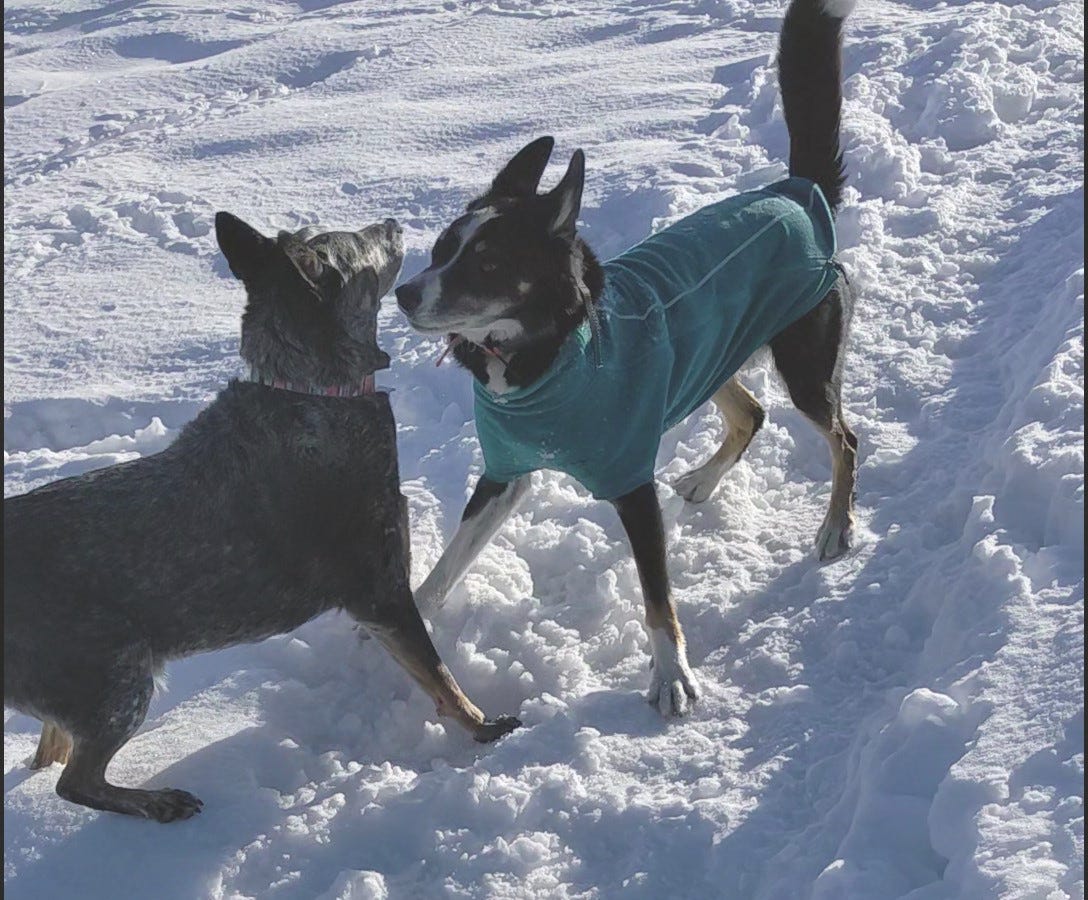
two happy dogs meeting eachother

And if my darling boy can put himself back out there despite his fear, so can I. No matter how many rejections I’ve suffered in the past, I simply need to pick out my preferred agents, organize and tailor my queries to them, and hit send. It’s a psychological hurdle that I must overcome—will overcome—for my latest manuscript if I ever want a shot at publication in the traditional way. The worst that will happen is another form letter. It’s not like I’m going to get bitten in the neck by some long-canined, drooling, bloodthirsty monster.

Right?

Happy Tales!

Note: Since I’ve already addressed Dilemma #3—writing something new—in a different post, I won’t address it here (see Stepping Out of Your Comfort Zone, https://substack.com/home/post/p-137672913e).

Mired in Mud

How to Keep Yourself—and Your Story—Afloat!

More than three months after embarking on my own Hero’s Journey, winnowing the innards of a house down to the most crucial ones, packing those up, enduring Covid for the first time, bidding farewell to friends and students, mountains and pine cones, selling the house and buying another one thousands of miles away, the process of unpacking interrupted by five visits to emergency rooms and twenty-three days in three different hospitals (not me, but someone beloved to me), navigating big-city traffic and a claustrophobic parking garage with not nearly enough spaces, circling around and around in the dark, wondering if I would ever have time to write again, certain each day was a new low point, wondering if I would write again even if I had the time … after all these difficulties, my hope for a new life shrank from a flame to a spark, from a spark to an ember, from an ember to a faint memory of something bright but unreachable, a fuzzy star on the edge of the galaxy. Some days I don’t think I could remember it at all, in fact.

I was lost.

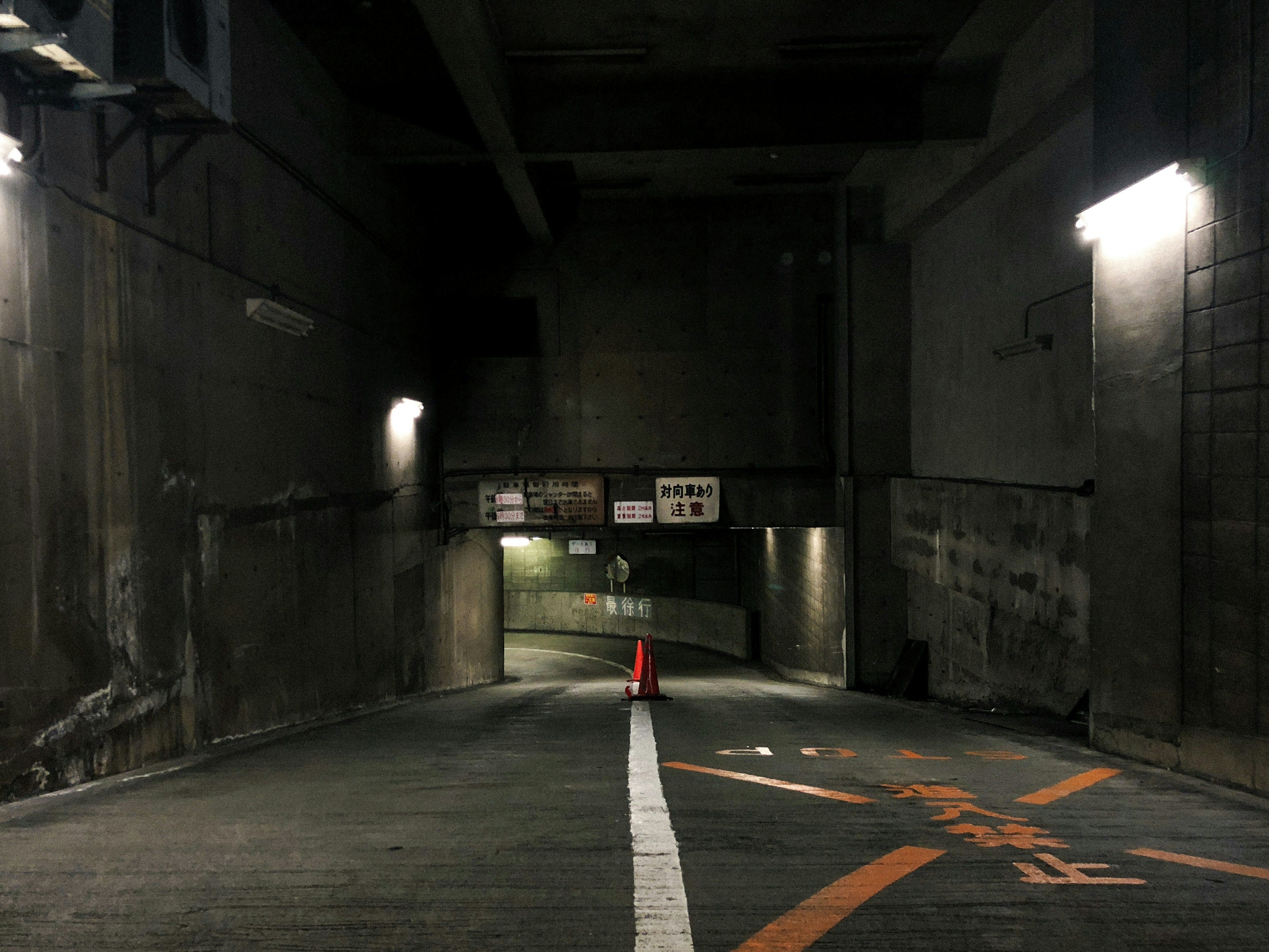
Dark descending parking garage ramp
Photo credit: Nuno Silva

But even though writing became impossible, I never stopped thinking of myself as the main character in my real-life story. And that’s what saved me. It allowed me to look at my situation with some detachment, even amusement at times. We writers aren’t nice to our heroes, and I was the perfect flesh-and-blood example! We’re told to be cruel to our heroes, to keep making situations worse and worse. It’s completely acceptable to shove the poor characters alone into a new land, surrounded by enemies, shivering in torrential gales, uncertain what to do next, plagued by the thought that if they’d only made the right decisions they wouldn’t be in this mess, downtrodden, defeated, despairing. Stripping all hope from a hero makes for good reading, right?

Wet Dog

Well, not entirely. It’s true that a strong sense of desperation is critical for the “All is Lost” scene, which typically occurs about three quarters of the way through a story. This scene leaves the hero certain there’s absolutely no way they can achieve their goal. They are one hundred percent screwed, and their hope for any sort of future has one hundred percent vanished. They are primed to enter the “Dark Night of the Soul,” which in story parlance is when everything the hero formerly thought was important to themselves is stripped away, forcing them to confront the truth.

Photo credit: Eberhard Grossgasteiger

But what about the rest of the story? What about all the parts that lead up to this terrible time: the inciting event that pushes a hero into a new world or a new way of thinking and acting, the difficult barriers they must surpass, the people or creatures they meet along the way, the bits of their past that they may either cling to or reject out of hand, the interesting things they learn during their journey? And how about the parts that follow the Dark Night of the Soul: the emergence of a wiser protagonist and the final showdown in which a hero uses their new skills or understanding to achieve some sort of resolution? Should they feel hopeless during these times?

My answer to this question is a resounding no. What allure would any story have if it provides no hope of something the hero can do, think, or say that will lead to a more promising future? Even if those things aren’t what readers would have anticipated or selected themselves, even if the future isn’t the happy ending they thought might happen, we need to feel as though the hero has some agency, some desire to mold the course of events.

We need hope.

Hopeful Dog Sitting and Looking at Camera
Tock is very good at hoping for a variety of things

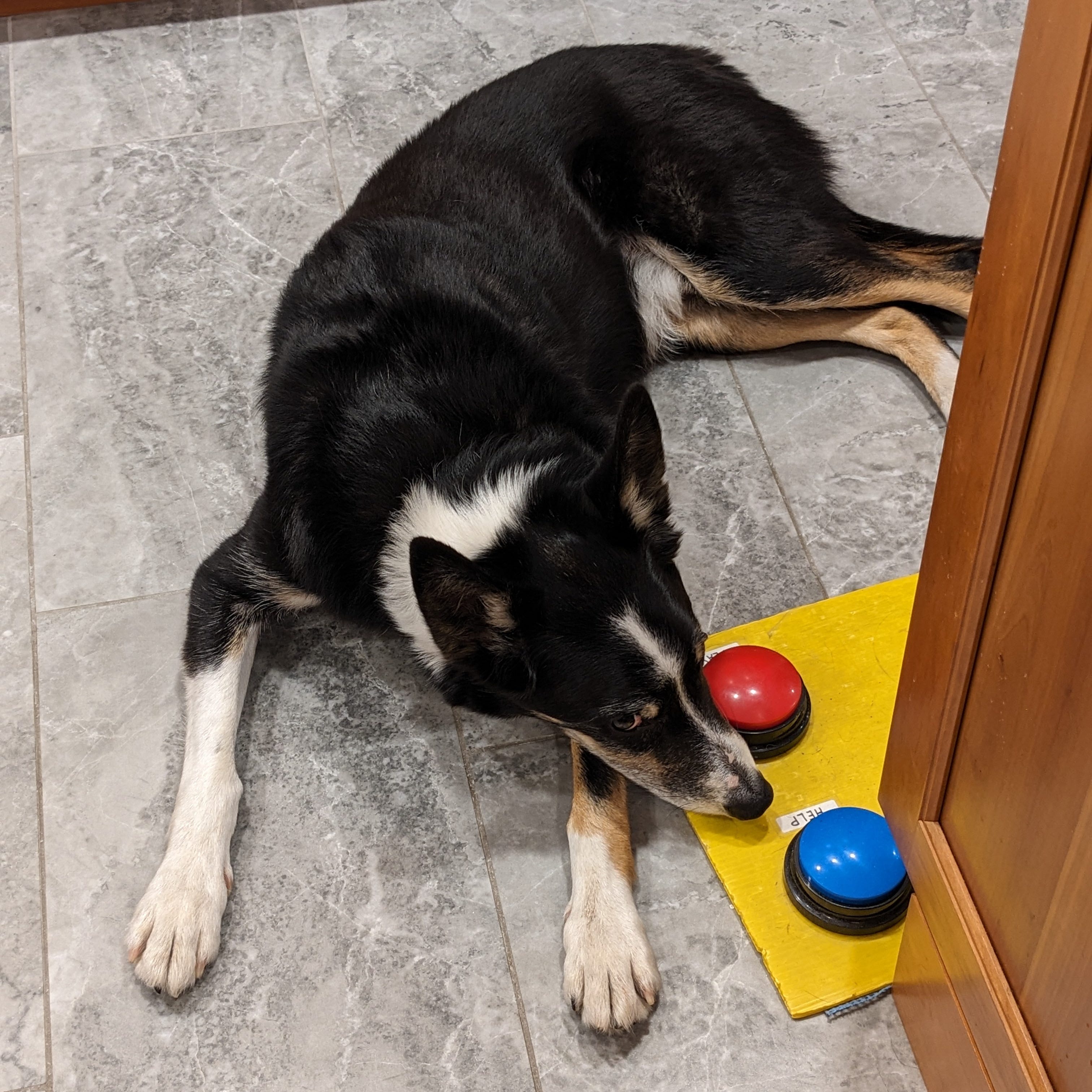
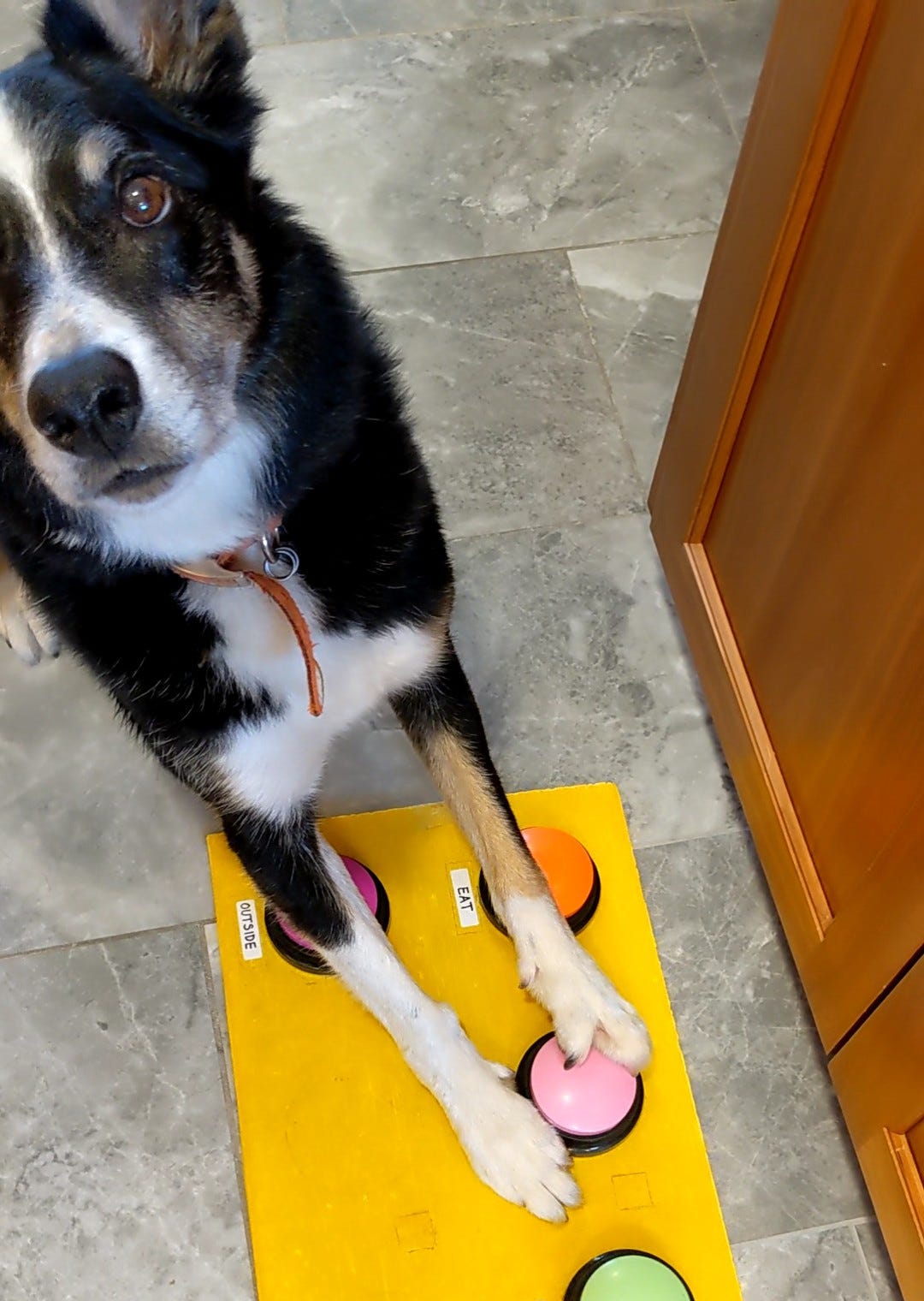
Sure, a string of calamities may grip us and give us empathy for a character — but only to a point. In the big picture, we get tired of characters who flounder endlessly in their own despair and negativity. We’ll empathize better with characters who keep trying. It doesn’t matter that most of their attempts will be misguided and make matters worse rather than better, like those of a hungry dog who paws at its owner’s leg and receives a reprimand rather than a treat. We appreciate that spark no matter the outcome. And eventually (if your dog is my dog), it’ll stop pawing and try something else, like staring at the treats on the counter, or pressing one of its talking buttons, and it’ll get a reward. Maybe not a treat, if the dog fails to press the “eat” button, but something equally interesting, such as a trip “outside” or “play” with a favorite toy.

Dog pressing a button on his "button board"
Tock accidentally presses “Love You” instead of “Eat,” which will result in a head scratch rather than the treat he was expecting.

Dogs are true masters of hope (as for me, I hope you knew I was going to get to dogs eventually). Though they’re not striving for some overarching goal that’s going to change their lives or the world, they demonstrate hope for simple things every single day. I can safely say that in addition to compartmentalizing my troubles into a Hero’s Journey format, the act of witnessing (and helping) my dog achieve his desires for food, walkies, and play has helped me through my own rough patch. He’s a fabulous example to me of how to write a character that never ever gives up. He reminds me that hope nourishes a story rather than the other way around.

And so, as I make some tentative forays back into the writing world, I will cradle that hope in my palm. I will nurture it from a memory to an ember, a spark, a flame. I will cherish my life as much as those of my characters, and I will remember this every time my dog tells me he wants his breakfast, or a romp in the woods, a swim in the pond, or a tug-of-war game with a favorite toy.

How about your characters? Do they give up too easily? What helps them to keep going? And how about you?

Dog leaping into blue water for a stick

Happy Tales!
That Stubborn Hope

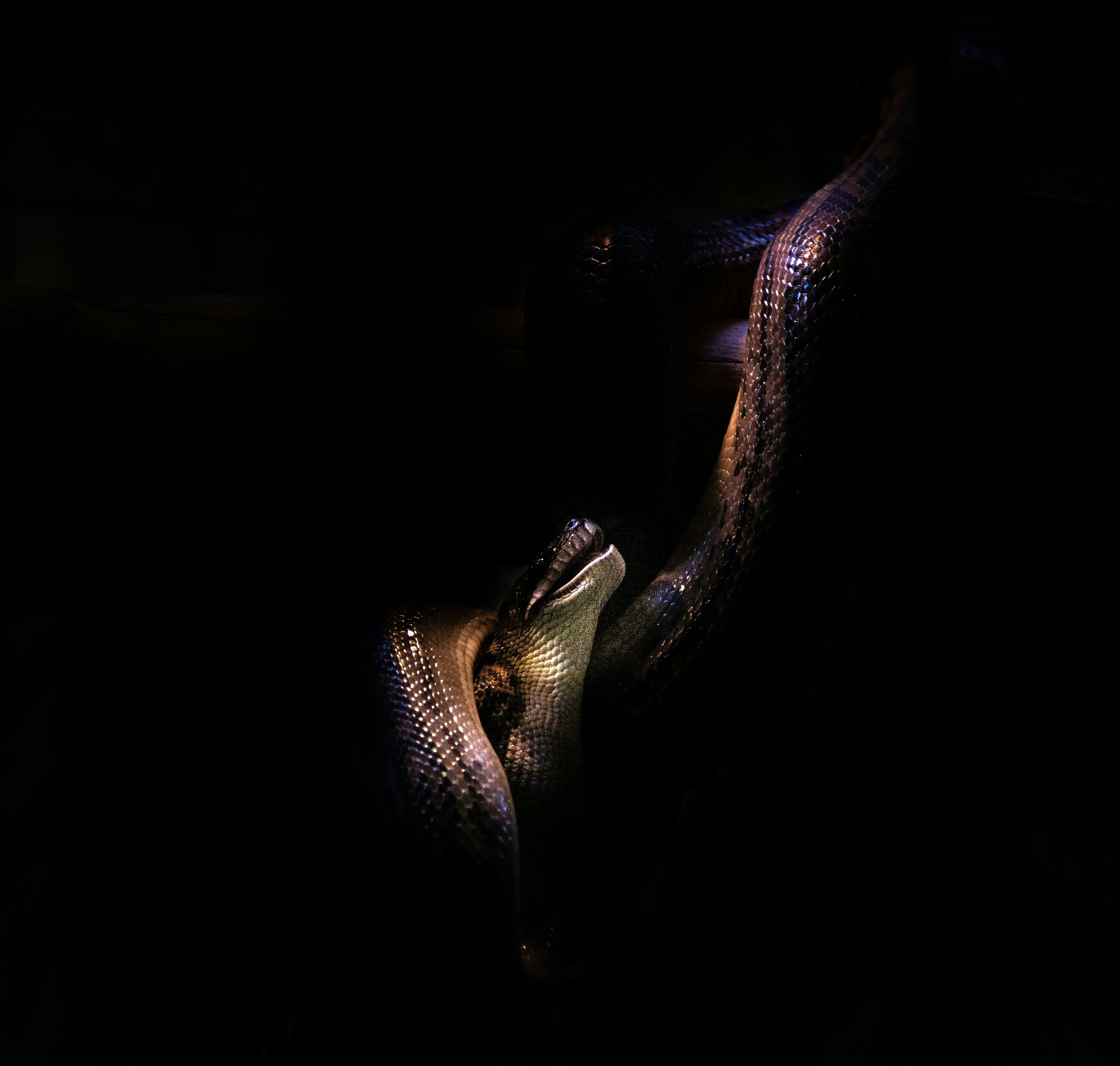
Reptilian scales that fade into a black background
Photo Credit: Kevin Bosc

In moments of despair, my hope is not that thing with feathers. That sort of hope is far too buoyant, too high, too perky to be seen or heard.

My hope is that thing with scales. A thing with tiny sharp teeth and snakelike eyes. Curved claws and stinky goo oozing from its orifices.

It wriggles and dives into the murky depths. Demons rip off its scales but it does not slow. A slimy bloody trail pulses in its wake.

Hope is that disgusting thing I don’t even want to touch.

I won’t move a finger in pursuit. No, I wallow in sadness with the monsters of my mind. Hollow and desperate, they are more my type.

I let the black mud clog my pores, drag me down

Down, down

Silt so deep, so fine, all around, I may never land

Only drift, lost forever in the dark.

But teeth nip my ankle. Claws rip the fabric of my sleeve. A pungent tail slaps my neck. Slitted pupils widen, round and dark. No longer snake eyes, but dog eyes.

Strangely similar to those of the furry beast by my side, trying to remind me that it’s time for a walk, for dinner, for play.

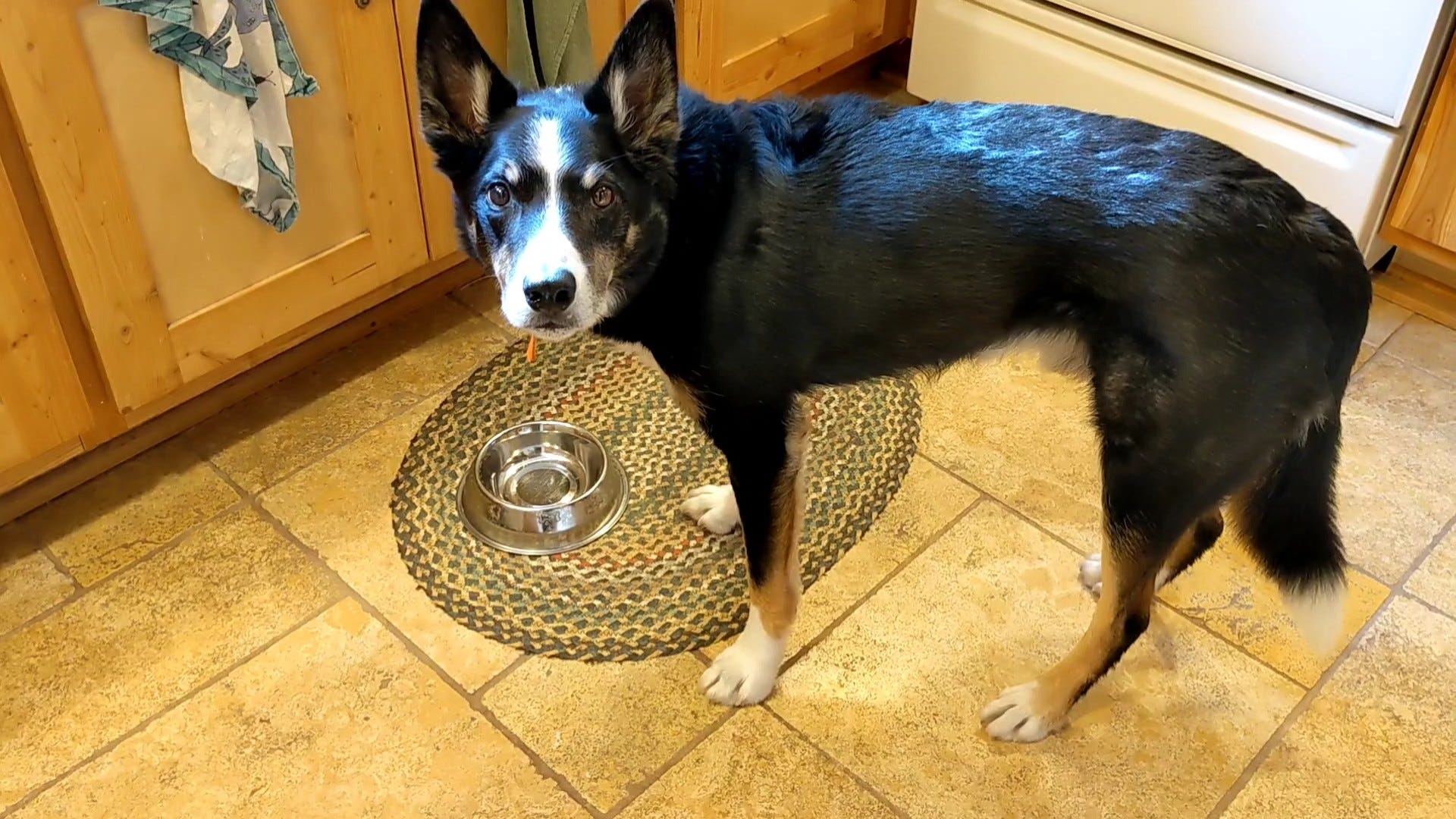
Dog standing by empty food bowl, gazing at camera

Hope slithers past—and stops. Twists its head toward me. Its dripping scales reflect silt but also sky. Black to blue.

Hope’s sharp odor mellows into a balm. Moist earth and grass.

We exchange no words. But clearly, it wants me to follow. It won’t move, that stubborn hope, until I do, too.

My blood quickens. That scaly thing needs me. I tug a foot from the muck. It slides back almost as deep as before, yet I trudge onward.

For as much as my hope needs me to exist, I need it more.

Dog in field looking beseechingly at camera

What I Will Miss

Thoughts two weeks before embarking on the 2,627-mile journey to our new home.

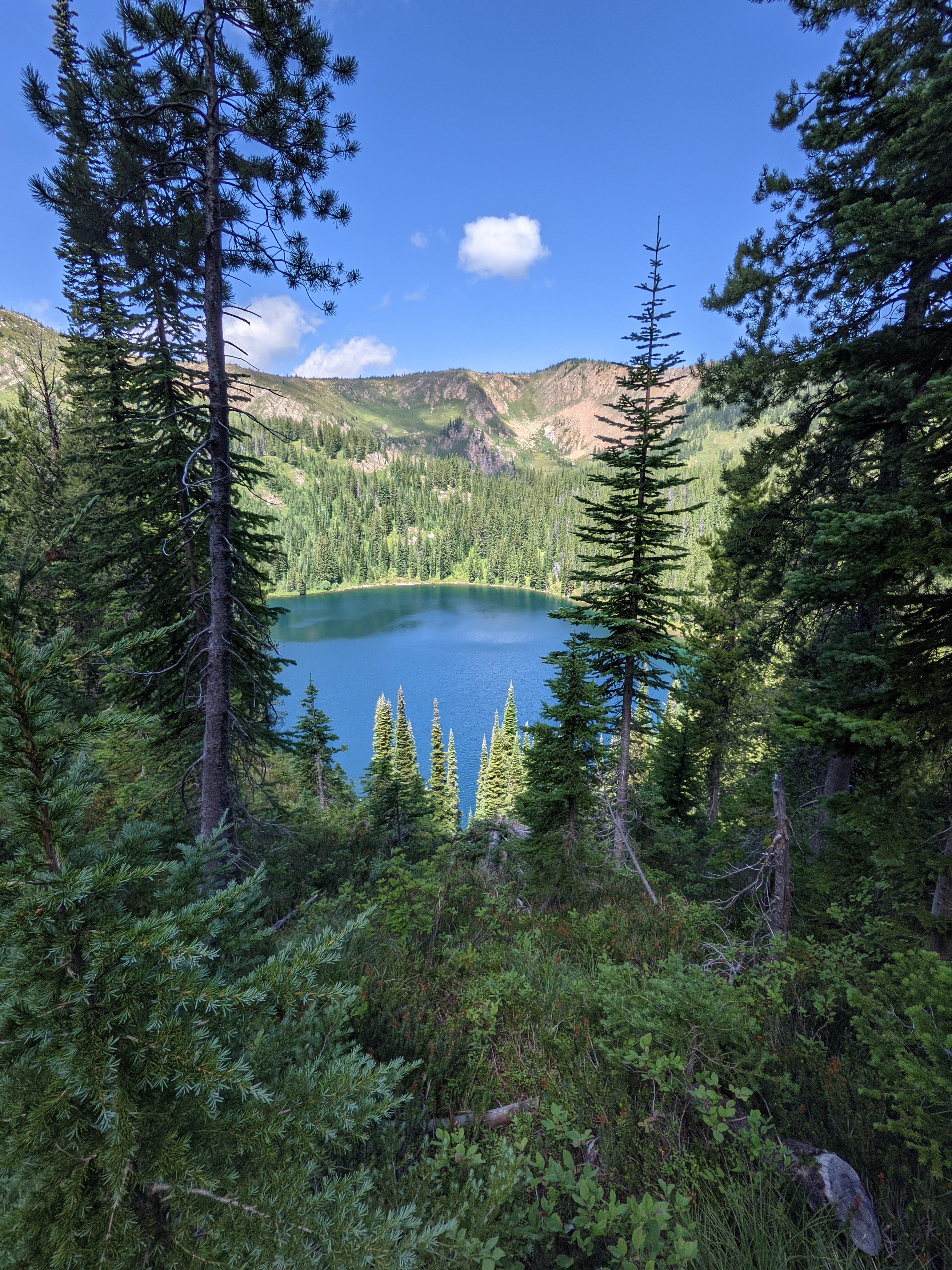
Alpine lake nestled in coniferous trees surrounded by mountains

The sweet scent of pine pitch

The tang of subalpine fir

The golden glow of fall larch

The crest of dark conifers on the ridge

The hollow thwock of granite stones underfoot

The sweep of jagged peaks, up up up

The raven croaking over a still azure pool

The pungent meadow ripe with beargrass, glacier lilies, lupine, paintbrush

The contented burbles of a meandering stream

The joy a ponderosa pine cone brings to my dog

The exhausted afterglow of a strenuous climb

The granite and sandstone shrines beneath the pine — cat, parakeet, three dogs — our beloved family

These are more senses than things, yet they tie me to the land

Will the string break, or will I still feel tethered to it from far away?

Dog on trail ascending through meadow

I guess I’m going to find out.

Say Goodbye … Say Hello.

Or: Thinking like your dog will make you feel better

Woman signing documents
Photo credit: Dimitri Karastelev

When we first enter this world, it’s as if we’re signing a really tough job contract. It’s an agreement that in exchange for life, we’re going to have to endure all the hard things that come with it: getting an education, finding a decent job, trying to get along with difficult people, and suffering physical and mental pain, trauma, and loss.

Newborn infant crying
Photo credit: Jessica Hearn

I don’t know about you, but if I could have wrapped my newborn brain around the enormity of this contract, I’m pretty sure I would have wrinkled it up and chewed it into a soggy ball as soon as I figured out how to put my hands in my mouth. This is because one of the hardest things for me to do is to accept big changes—to say goodbye to a certain part of my life as time inevitably marches on. When I turned ten, for example, I remember sobbing because I didn’t want to leave the single-digit ages behind.

Unlike me, my son was quite happy for his 10th birthday and a homemade ocean cake.

That birthday seemed hard at the time, but I experienced a true calamity as a college music student. Dedicated to my cello since the delightful single-digit age of nine, I was certain I’d be spending my life performing Bach, Brahms, and Beethoven. But I injured my hand and suddenly could no longer play at all. You can probably guess that if your entire identity is wrapped up in a cello, your Life Contract is going to get some pretty big tears in it. I finally began to come to grips with my altered situation after about a year, but the struggle was agonizing. That contract of mine needed a lot of tape.

Cello
Photo credit: Andrea Zanenga

Many times since then, I’ve wondered why I keep getting so entrenched in a certain way of being (let’s just say that it didn’t end with music). Is this normal? And if most of us struggle with this at one time or another, what are we supposed to do about it?

To answer to the first question, I turn, as I so often do, to the topic of dogs. I bet any dedicated dog owner would agree with me that the tendency to rail against difficult changes in our dogs is a very typical human response. We know full well when we adopt a new dog that our Life Contracts are going to be tested to their utmost. Eventually, we’ll face a heartbreak stronger than when we lose some of our own human family members. The reasons are simple: dogs bond to their humans like hydrogen atoms to oxygen … and their lifespans are far shorter than ours. They don’t even live as long as cats or parrots, for goodness sake. It seems completely unfair that such an intelligent, devoted creature could reach middle age at six years old, and be ready to take the last step in its life cycle at little more than twice that.

Dog & human sitting together
I cherish every second of my time with Tock.

Even knowing this, even with our human-brain capability of seeing past, present, and future all at once, we insist on befriending dogs. We hold them close, and we give a chunk of our hearts to them forever. I’ve said goodbye to three dogs so far, and I can assure you that it never gets easier, and I never stop missing the ones who’ve departed. Each dog is like a novel I might write, full of love and flaws and revising—I mean training—and did I say love?

Old Border Collie
Old Tarzan. The best agility instructor I ever could have wished for, he hiked and fetched frisbees with me for more than 16 years.

Saying Goodbye: There comes a time when I can do no more to fix a story I’ve written. It’s complete, I adore it despite any residual imperfections, and I know it’s time to let it go. If I’m lucky, it’ll move onward in its path to publication. If not, I’ll put it aside for now. Either way, it’s super hard to say farewell to it (I understand why authors write sequels). But I take comfort in knowing that it’s still there, in my computer or in a picture on my wall, whenever my memories want to pay a visit.

Human with arm around dog
Mothie came to us with a lot of issues, but she wormed her way closer to my heart than any other dog.

Saying Hello: In the meantime, I continue to attach myself to new dogs, and I continue to write. These things are my answer to how to deal with life’s difficult changes. My old stories never really go away, and new ones never can replace them, but dogs and writing both keep me from dwelling in the past or worrying about the future for too long. My new dogs—or characters—allow me the pleasure of living in the present right along with them. Sometimes, they even remind me a little bit of my old ones, and there’s nothing more comforting than that.

Two border collies lying together, one old, one young
Puppy Tock waits in the wings. He and Tarzan were BFFs in the couple years they had together – and share the same favorite game of rolling a tennis ball down the stairs.

Happy Tales!
Dog jumping a panel jump
Tenzing, our first dog, possessed the very same goofiness as Tock, though they never knew eachother.

.