

Or: How to Get Readers to Relate to Your Characters
How many times have you put down a book because you can’t get close to the main character? Maybe they give no sense of what’s important to them and thus come across as lifeless automatons. Or maybe they express themselves, but in a way that makes no sense.

Worse, how many times have you gotten a query rejection in which an agent tells you they don’t find themselves invested in the protagonist? And you’ve wondered what is wrong with your writing? Are you really that terrible?
Both of the above-mentioned scenarios have happened to me. Tthe first not as much because I tend to plug away at books for far too long even when I’m not enjoying them. But the second thing—the professional rejection—has occurred more times than I care to admit.
I could use the excuse that writing is a subjective business and some agents simply don’t like my style. I do tend to write strange stories, with quirky characters set in strange worlds and situations. But if reading hundreds of books over the years has taught me anything, it’s that even when a particular genre of story or style of writing isn’t my favorite, I often can relate to the characters within it.
So what’s the secret? How do we get readers to “fall in love with” our protagonists?
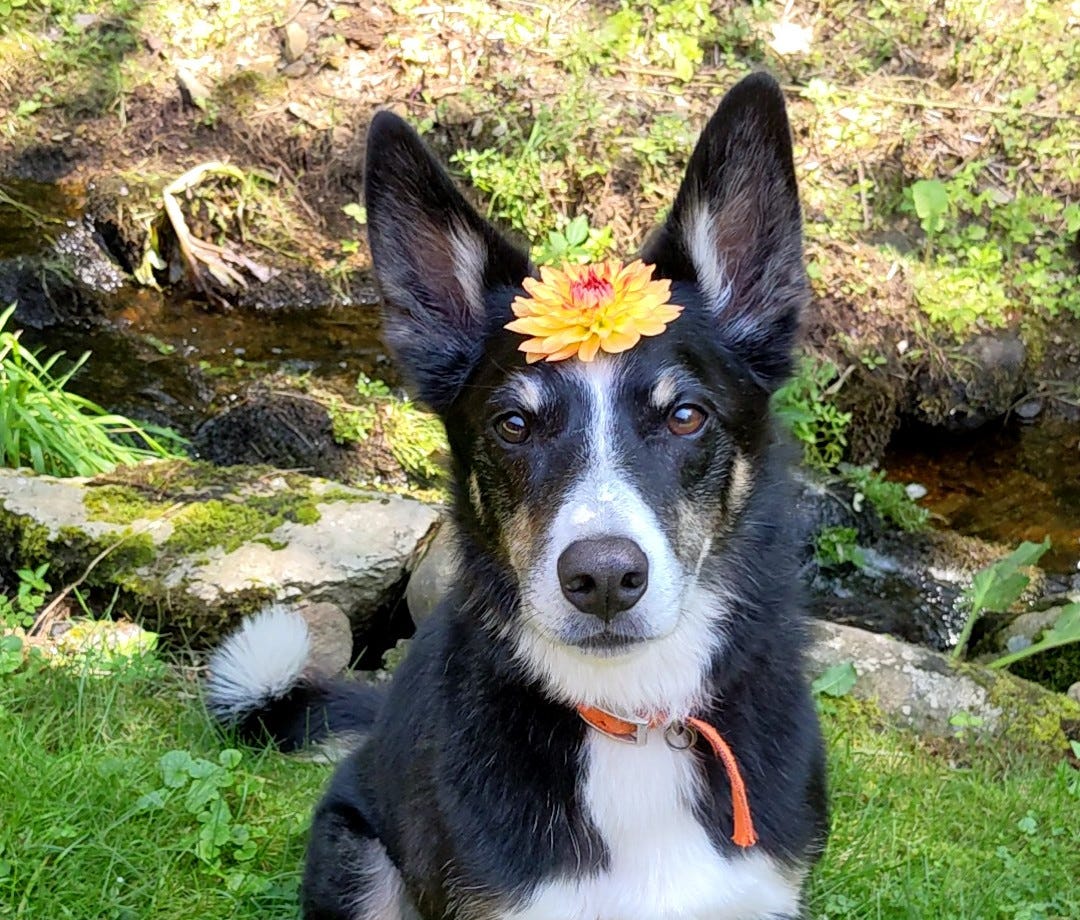
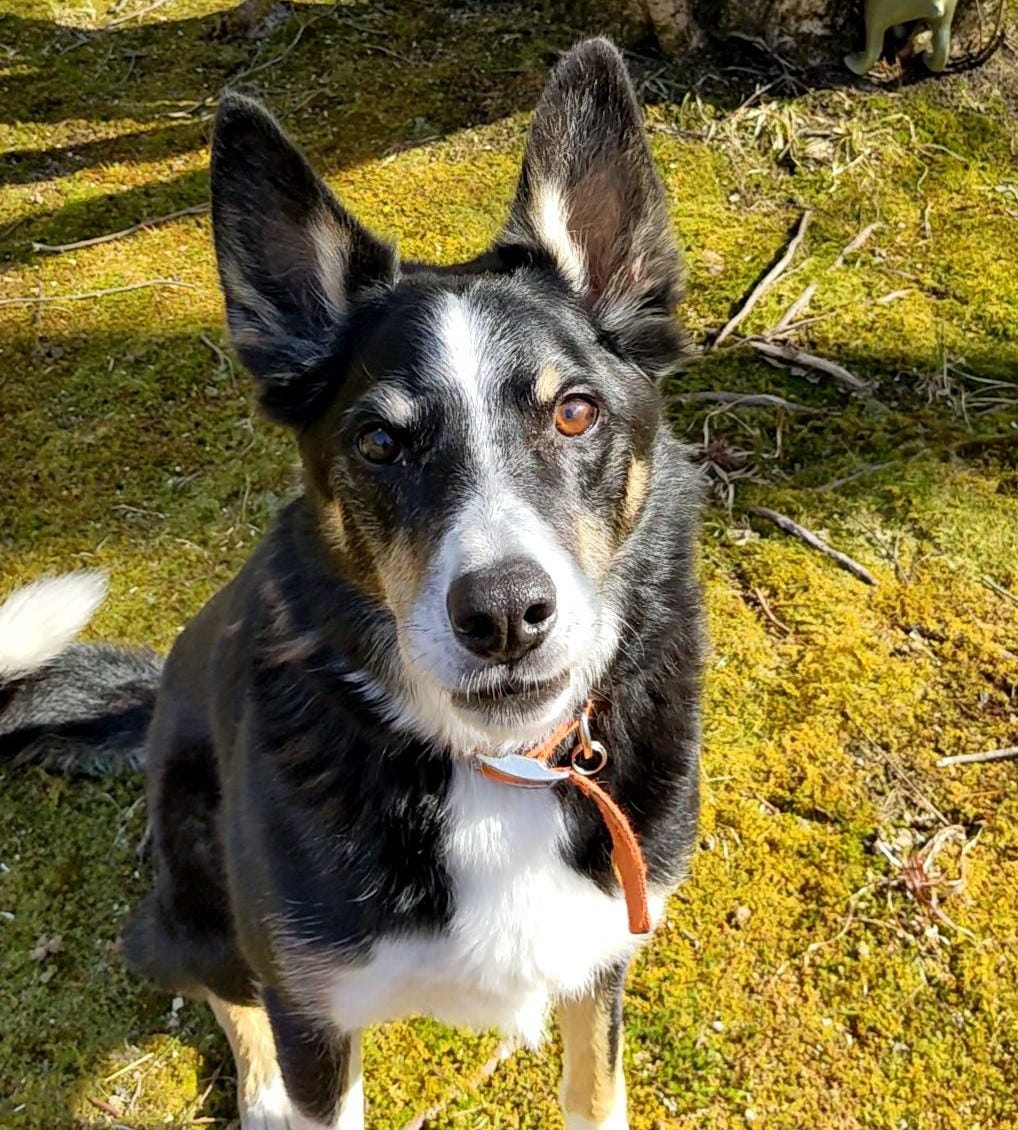
We might as well ask: How do we fall in love with a new dog? (don’t worry, Tock. You are our One and Only for many more years yet. I hope). Puppy cuteness aside, many new dogs are a lot of work. They might be fully grown with their own personalities already set. They might have behavioral issues that make them difficult to handle. No matter their age, they are most definitely not a replacement for our other dogs. Each one has unique traits, and it can takes some time to get used to them.
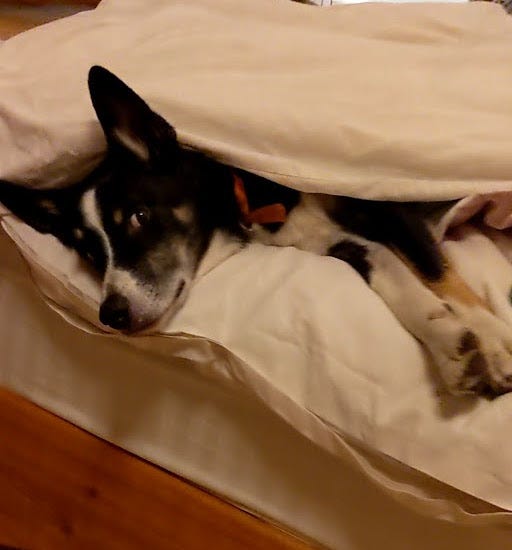
What is it, then, that causes us to take that new creature into our home? To essentially sign a contract that says we will commit to the care and well-being of this furry beast for the rest of its life?
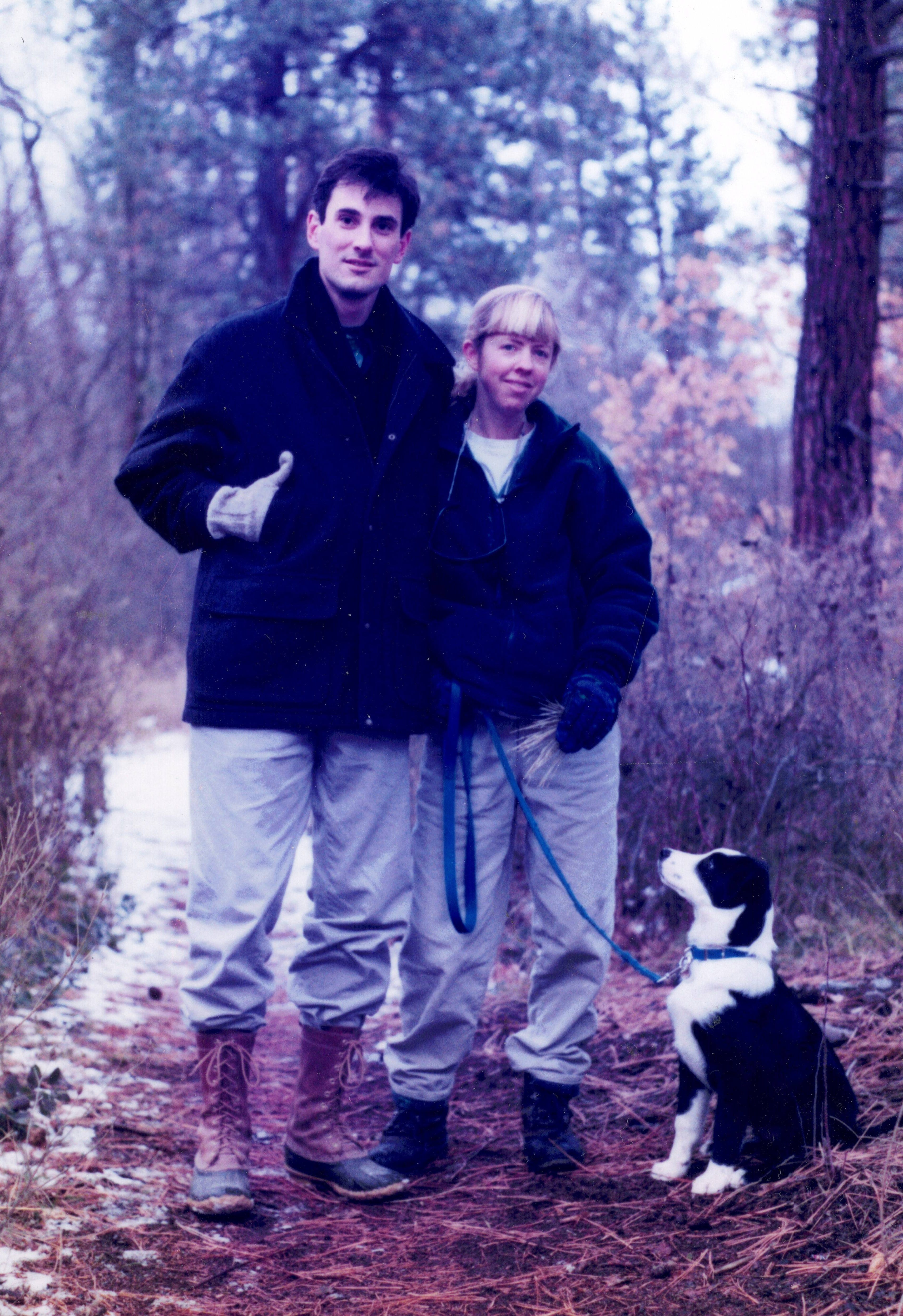
The answer, I believe, comes down to a way of being a particular dog possesses that makes us empathize with it. Think about the first time you gazed upon that litter of puppies, or on that one animal out of dozens or hundreds at the rescue facility. My husband and I still remember spotting our first dog, Tenzing, at the Humane Society. The little guy sat alone in a corner, clearly overwhelmed by the barks echoing from the cages around him. But the thing that drew him to us in an instant was the way he searched our faces, his chocolate eyes switching back and forth from one to the other of us. Clearly, he was trying to send us the telepathic message: Are you my parents? Will you get me out of here?
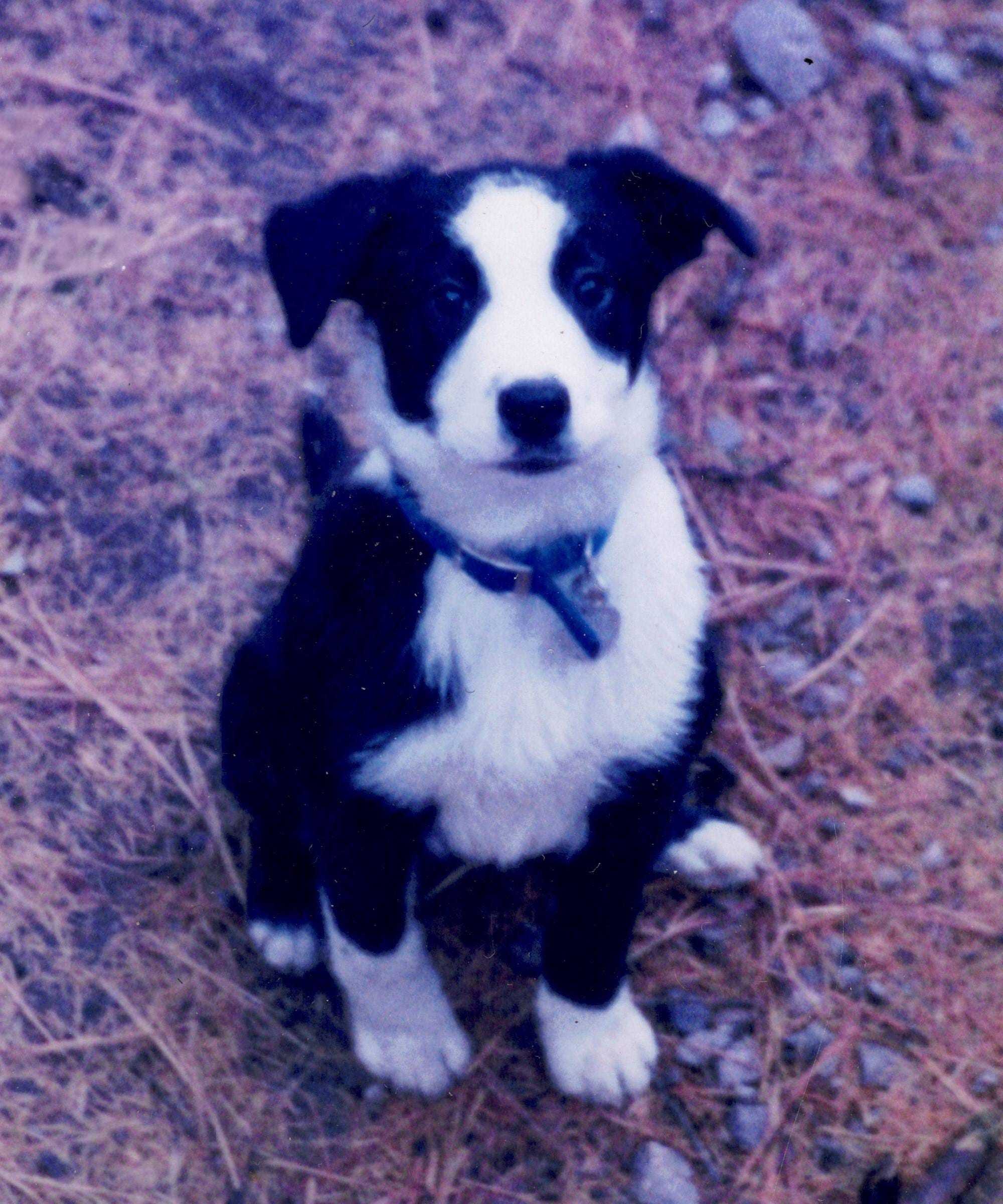
We adopted him in minutes. If he’d been in a book, I would have read past the first page. And by the time I finished Chapter One, my bond would have been so strong that I’d have kept turning the page to the end.
When agents talk about falling in love with a character, my guess is they’re expecting some sort of spark on that first page. By the completion of the first chapter, for sure. Unlike getting used to a new dog, we don’t have the luxury of months when introducing readers to our story. We need something fast.
We need to generate empathy!
One of the most tried-and-true methods for producing empathy in readers for a character lies in the Save the Cat method (see the many books by Blake Snyder). This is when a character demonstrates something warm-hearted, likeable, or thoughtful about their personality. They might literally save a cat stuck in a tree, or they might simply display a way of thinking about something that indicates they’ve got an ability to feel. We readers understand that even if the character seems pretty screwed up, they’re not all bad.
To me, generating empathy lies in a combination of action (e.g., Tenzing’s eyes darting back and forth), thought (it was pretty obvious what he was thinking), and dialogue (it was too noisy to hear him, but it’s entirely possible that he was whimpering or at least snuffling a little). The trick is to put a bit of this on Page One, like sprinkling seasoning on a soup, and then add more as the story progresses. This will enable your reader to relate to the character in some small way, and to feel as though they’re developing a relationship with them.
But what about the rest of the story? How do you maintain that trust? No matter how endearing a character is initially, a reader’s only going to want to stick with them if the things that character does, feels, and says make sense in the context of their life. And not only in the present, but in their history. Their backstory.
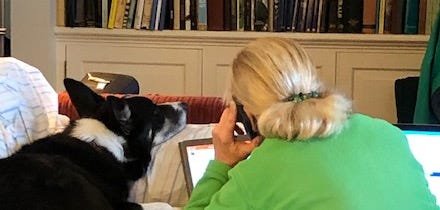
You know how sometimes you do things that you wish you hadn’t—and you don’t know why? Or you suspect something happened to you in the past that messed you up—but you can’t quite figure out what? This is often true of a character in a book, too. The difference between real life and fiction is that in a story, you the author need to understand precisely why your character is acting, thinking, or speaking a certain way. You need to know that character better than you know yourself. Bit by bit, you can then impart a character’s historical context to your reader so they’re not completely befuddled by what the character is doing, saying, or thinking.
There are a lot of things I still don’t understand about myself. I don’t know why I have a revulsion to the sight of rows of seeds in a cantaloupe or rows of scales on a fish (actually, I think it’s at least partly genetic, because my son has it too. He’s the one who told me it’s called Trypophobia). I don’t know why I frantically yank at my coat if the zipper gets stuck (actually, I think it stems from accidentally locking myself in a closet at age four and developing a fear of tight spaces). Self-analysis aside, I truly don’t know why I feel like I have to apologize for everything, or why I need to work every second of the day until I collapse in bed and finally allow myself some time to read.

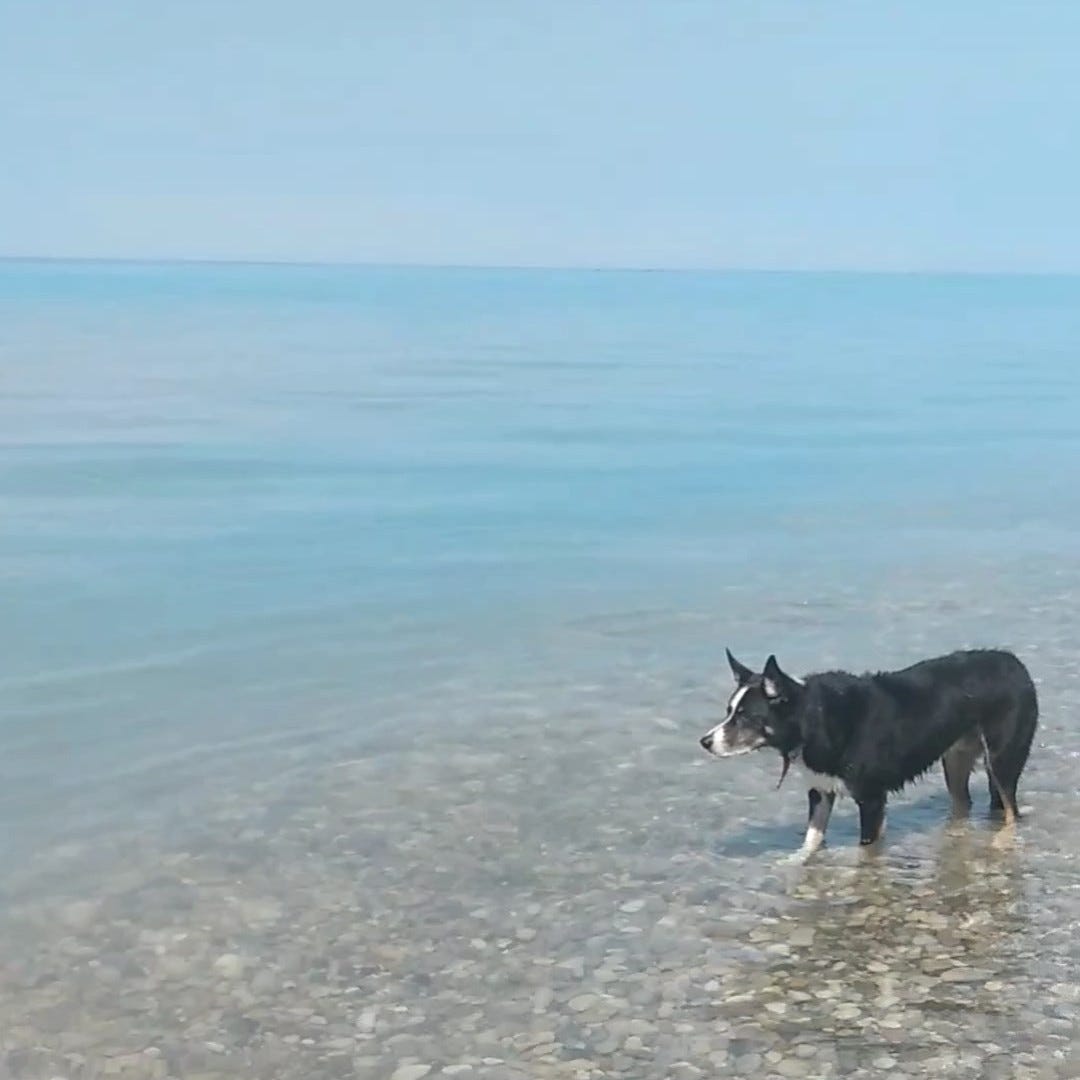
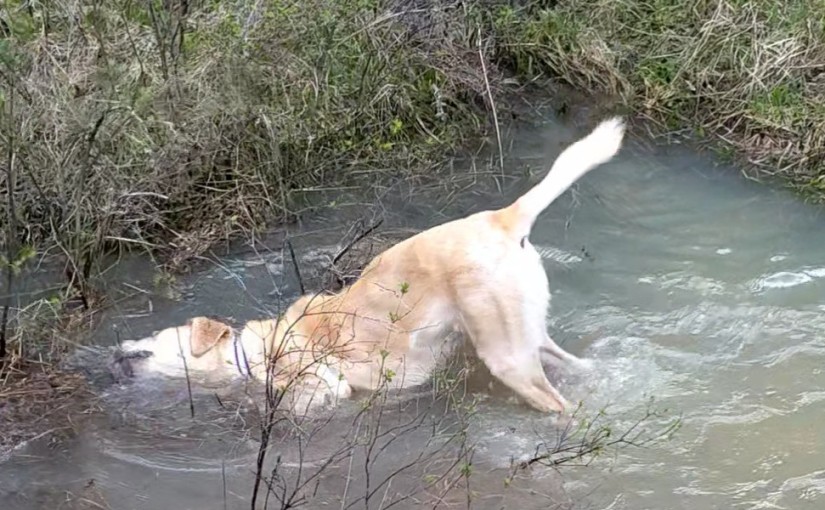
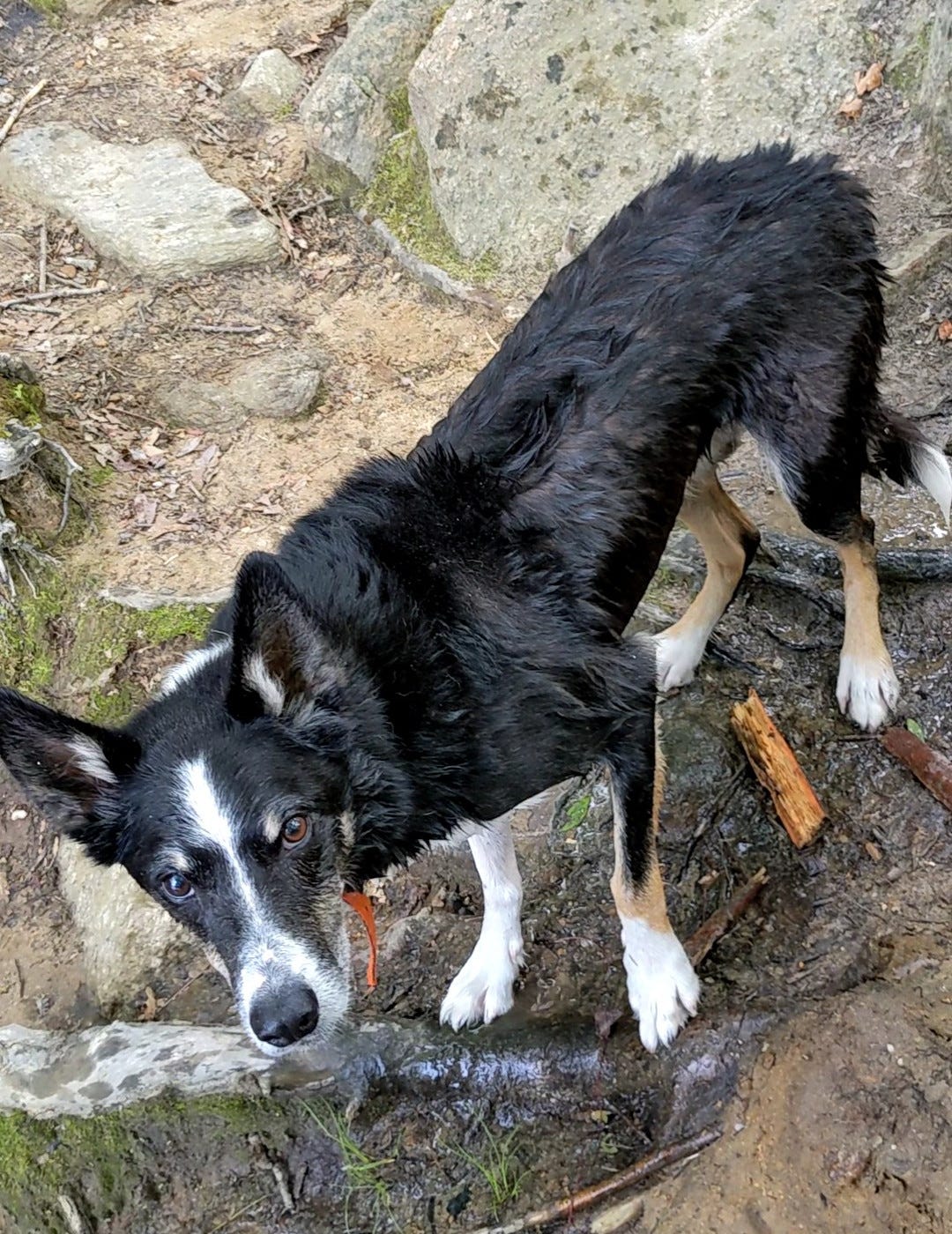
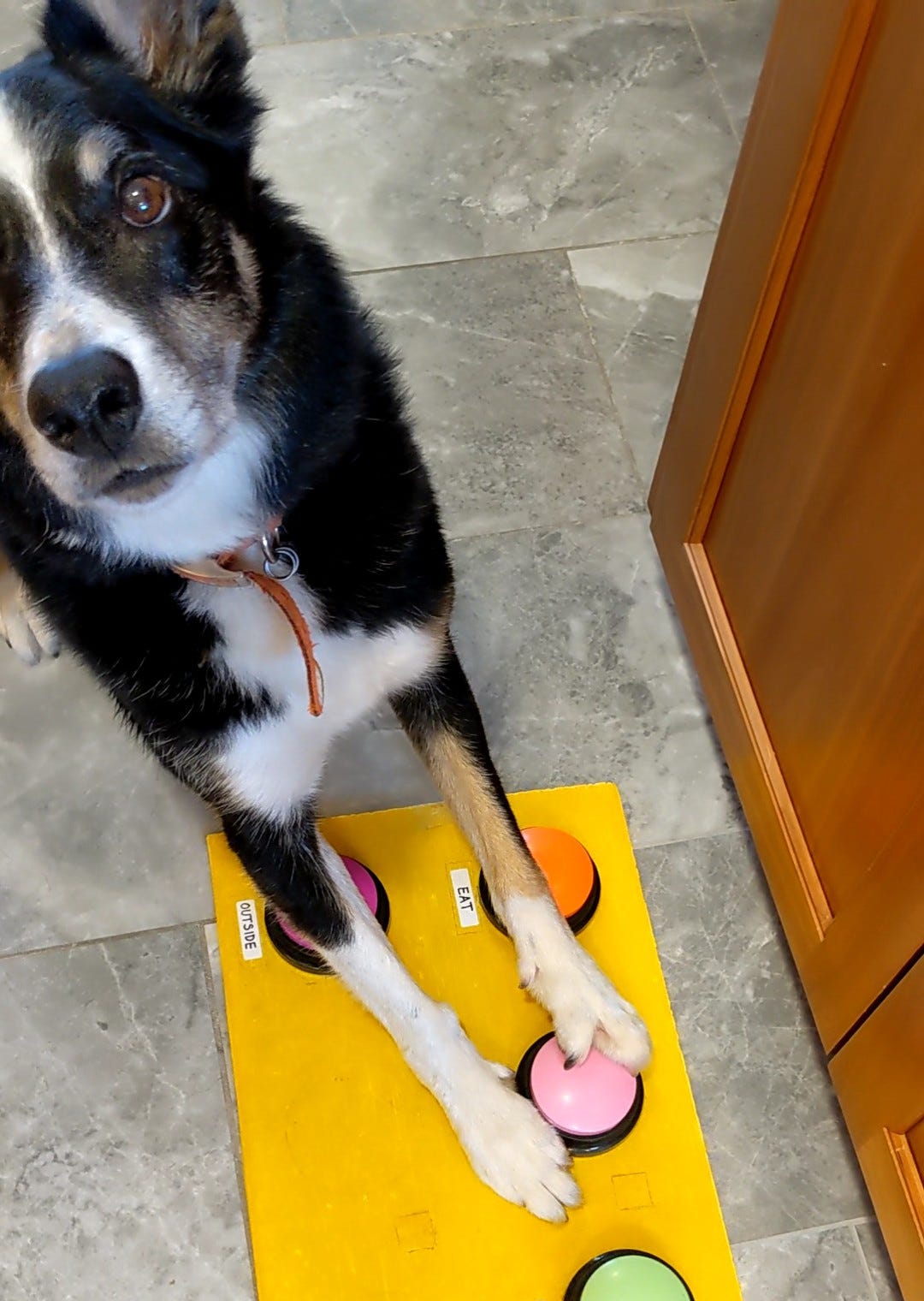
As a dog owner, on the other hand, I strive to develop a thorough understanding of my dog’s personality and actions. Tenzing, for instance, began growling at children after an incident in which he was snorkeling for pebbles in a pool (one of his favorite pasttimes), and a group of schoolchildren surrounded him and began “helpfully” tossing stones at him. This terrified him, and though I pulled him out of the situation quickly, he’d made an unforgettable association between children and danger. It’s especially tricky with an adult rescue dog, for whom you don’t know all the things that contributed to their strange and often defensive behaviors. But by watching them closely or knowing a little of their history, you can make some strong conclusions about what might have led them to a particular mannerism. We knew our dog Moth had been forced to spend the first years of her life in a basement, and as a border collie must have been desperately bored and looking for work. I believe this explained her obsession with light spots on floors and walls. The poor thing would jab at them until her nose bled, so we had to make every effort to keep her away from them (and provide her with more suitable work in dog agility).
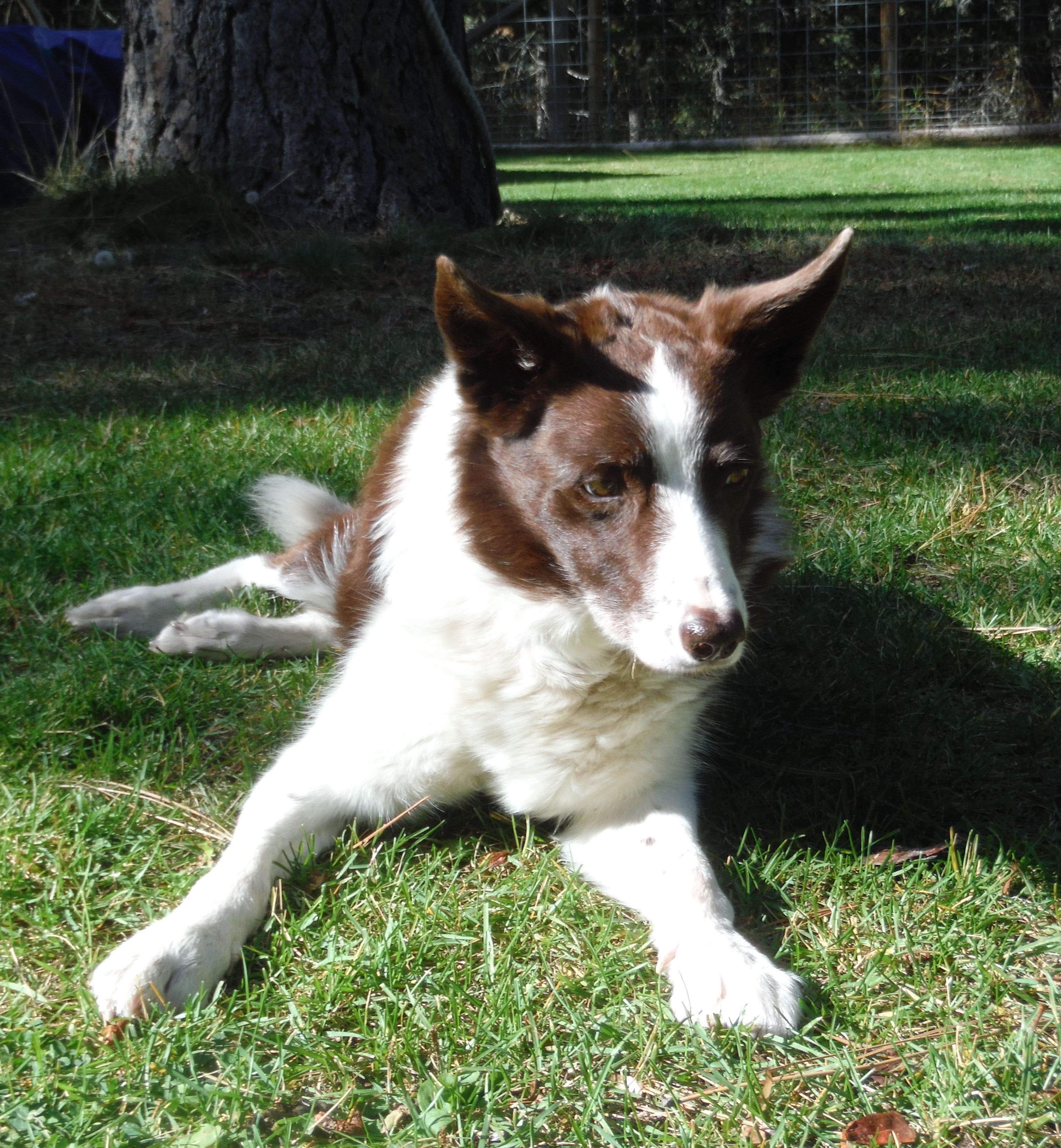
Like a responsible dog owner, a good writer yearns for a deep knowledge of their characters. When I begin a new draft, I work up detailed character sketches, complete with preliminary scenes of emotionally scarring incidents that show how they became who they are in the story. Even with those sketches entrenched in my mind, I invariably discover that my knowledge of my characters isn’t yet full enough. I have to step back from writing and think some more. Why are they acting the way they do? Saying the things they say? Enduring those thoughts that keep running through their heads? Only by knowing their inner histories can I write my characters in a meaningful way—and a way that generates empathy in my readers.
How about you? Do you toss books down in frustration when the protagonist isn’t relatable? Have you ever gotten one of those “can’t quite relate” query rejections? Here’s hoping our next attempts draw readers in rather than push them out.
Happy Tales!









 Flights of Fancy