Stepping Out of Your Comfort Zone

Yesterday, I was walking up a trail when I encountered a person who asked me to hold my dog so she could pass. “Sure!” I said, and called Tock away from a bush he was sniffing about twenty feet off the trail. Once he got to my side, I snapped on his leash and held him there until the woman had hurried by.
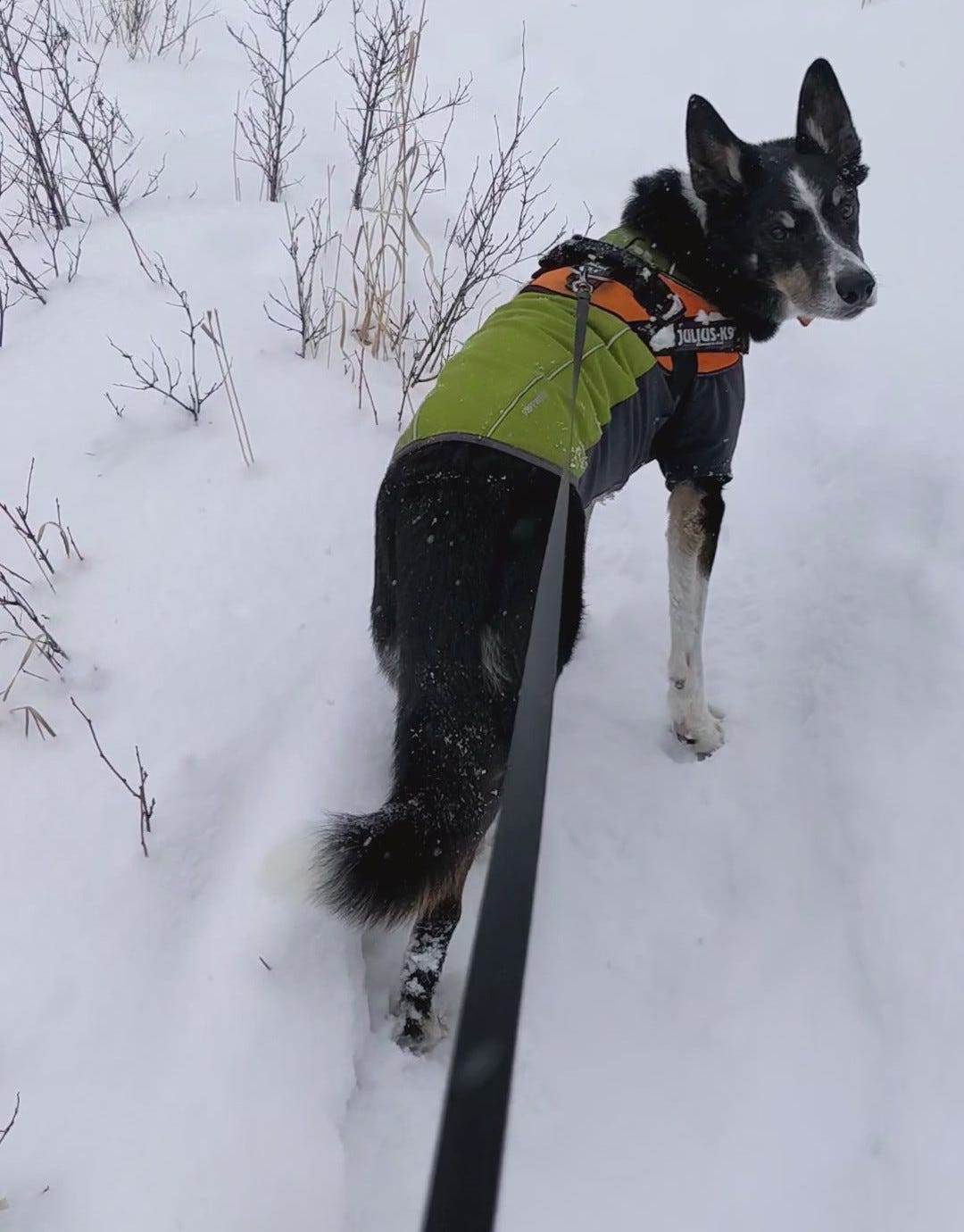
Dog on Leash

Now, this was not a trail with a leash requirement, nor was my dog exhibiting any sort of alarming behavior toward others on the trail (complete disinterest, in fact). But from the woman’s rather unexpected request to the nervous way she went past my dog, she was clearly feeling out of her comfort zone. Though I was surprised at seeing a person with such a fear of dogs on a path where dogs often outnumber humans, I’m impressed that she was brave enough to visit it, and to take the action she needed to get past her fear.
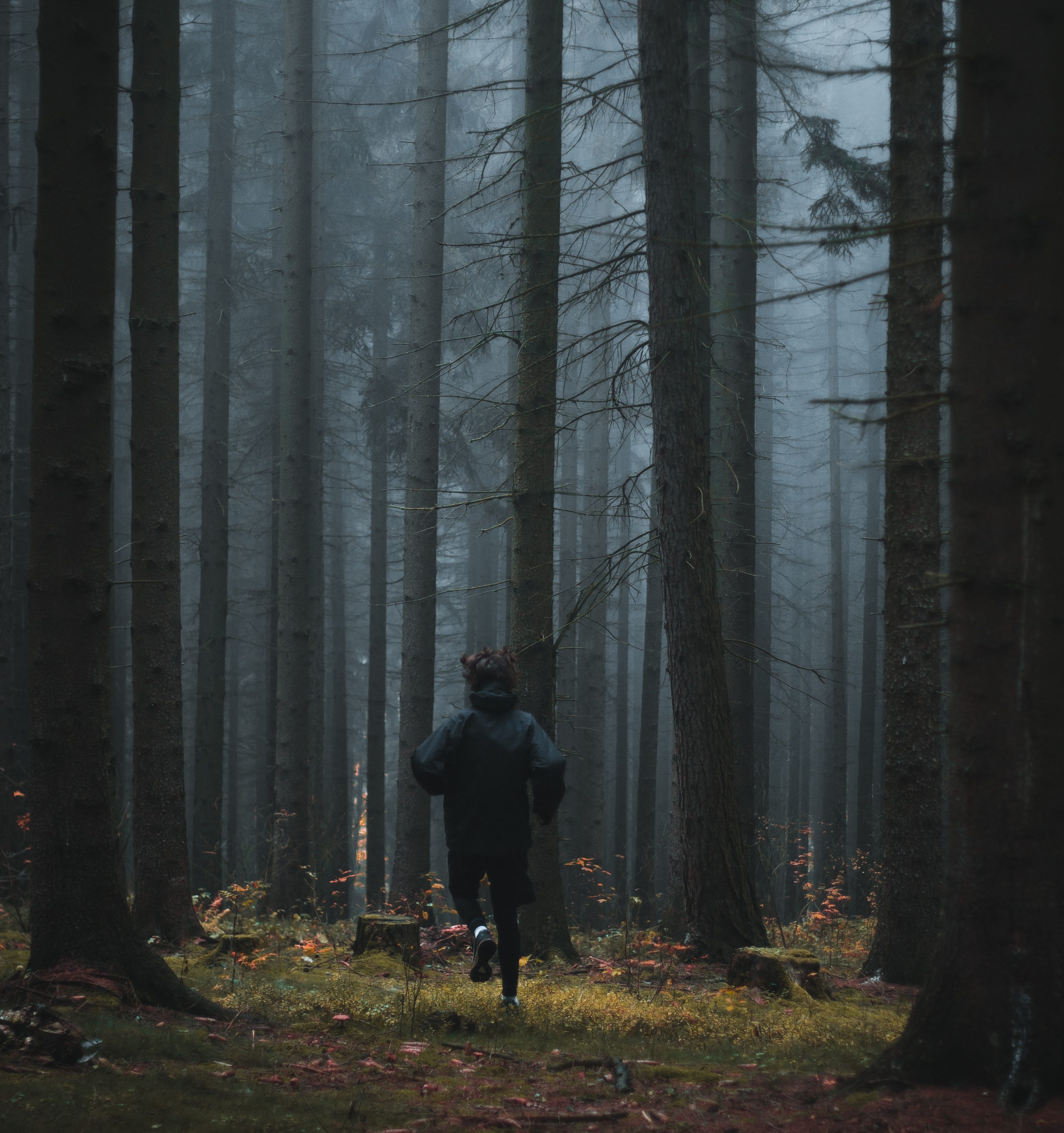
Person running down trail
Photo credit: Jakub Kriz

Like a dog-anxious person on a very doggy trail, we all have to do things we’re not comfortable with or not used to doing if we want to make any forward progress. It happens to me on narrow trails that cut into steep, treeless slopes, where vertigo literally causes my feet to freeze in place. And as a writer, it happens to me every single day.
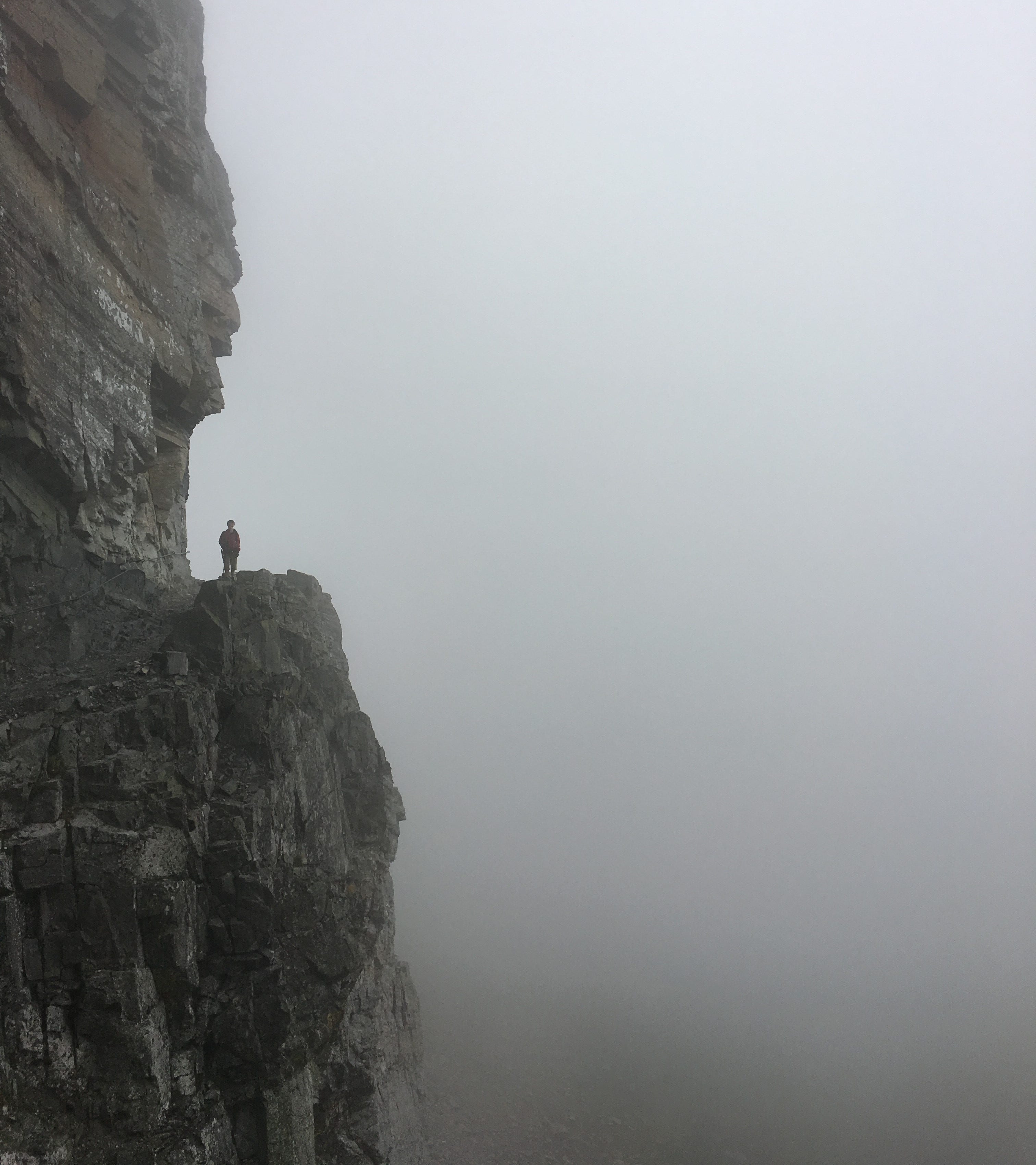
Trail along a cliff
Photo credit: Michael Loftus

No time is more difficult than when I sit down to write the first couple chapters of a new novel. No matter how many weeks I’ve already spent outlining the story, developing the characters, and researching the setting, I still feel a pretty big mental block at actually starting to write. I’m overwhelmed with the thought that whatever I do is going to have huge implications for the rest of the story. I’m overcome with doubt that I’ll have the talent to create entirely new characters in a brand new world.
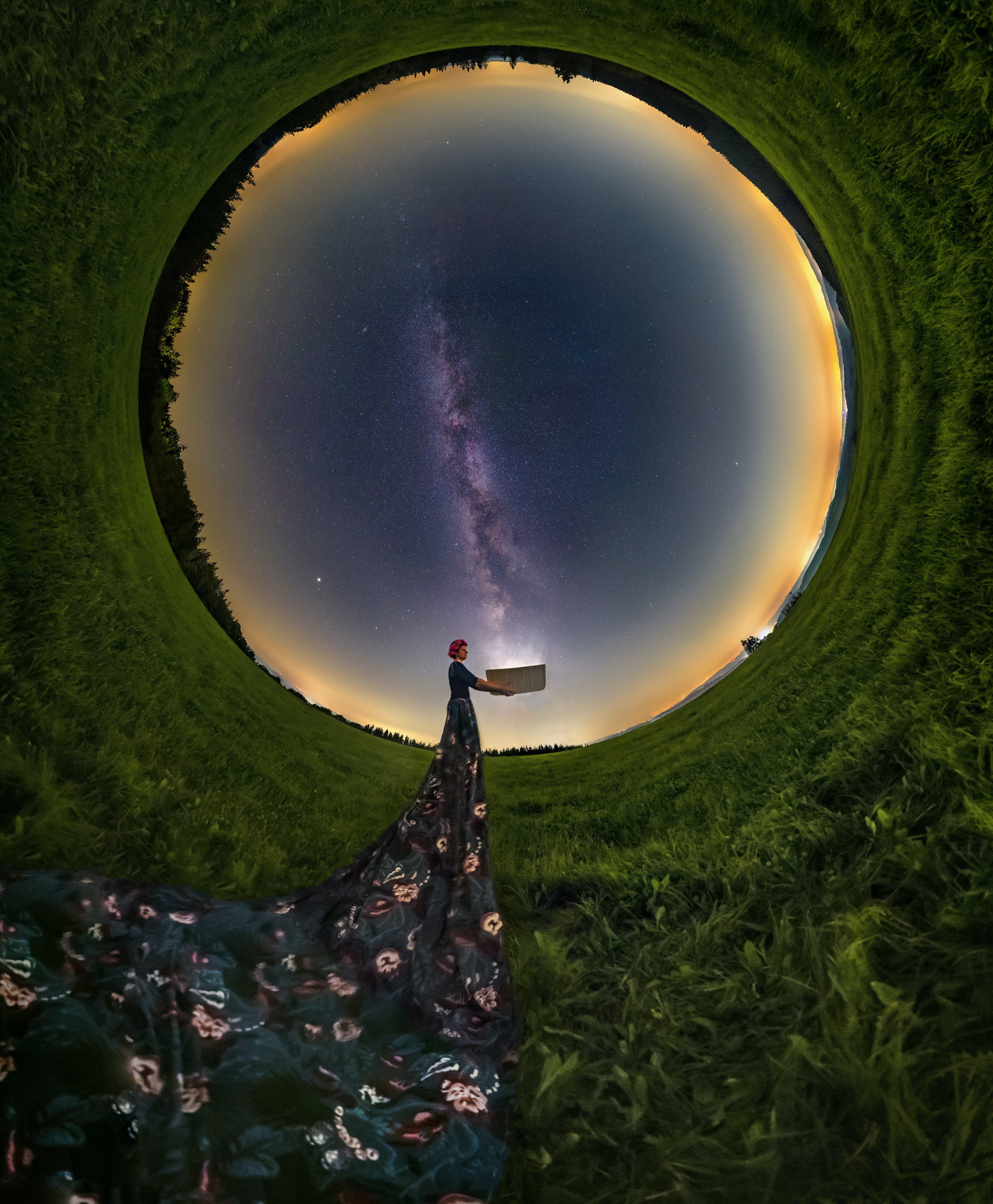
Woman in fantasy world
Photo credit: Evgeni Tcherkass

So if I’m to take inspiration from the worried trail-walker, I need to come up with a plan that’ll get me past my writing roadblock. For some writers, this might consist of simply waiting, putting the writing off for another day or week or month until their story starts to flow into their fingertips.

Not me. If I did that, I’d probably never write another word. I’d turn into a mummified husk of a writer staring at a dusty black screen, fingers permanently frozen to the keyboard. Ugh. I’d rather end up petrified while sitting on a sun-warmed rock by an alpine lake, thanks very much.
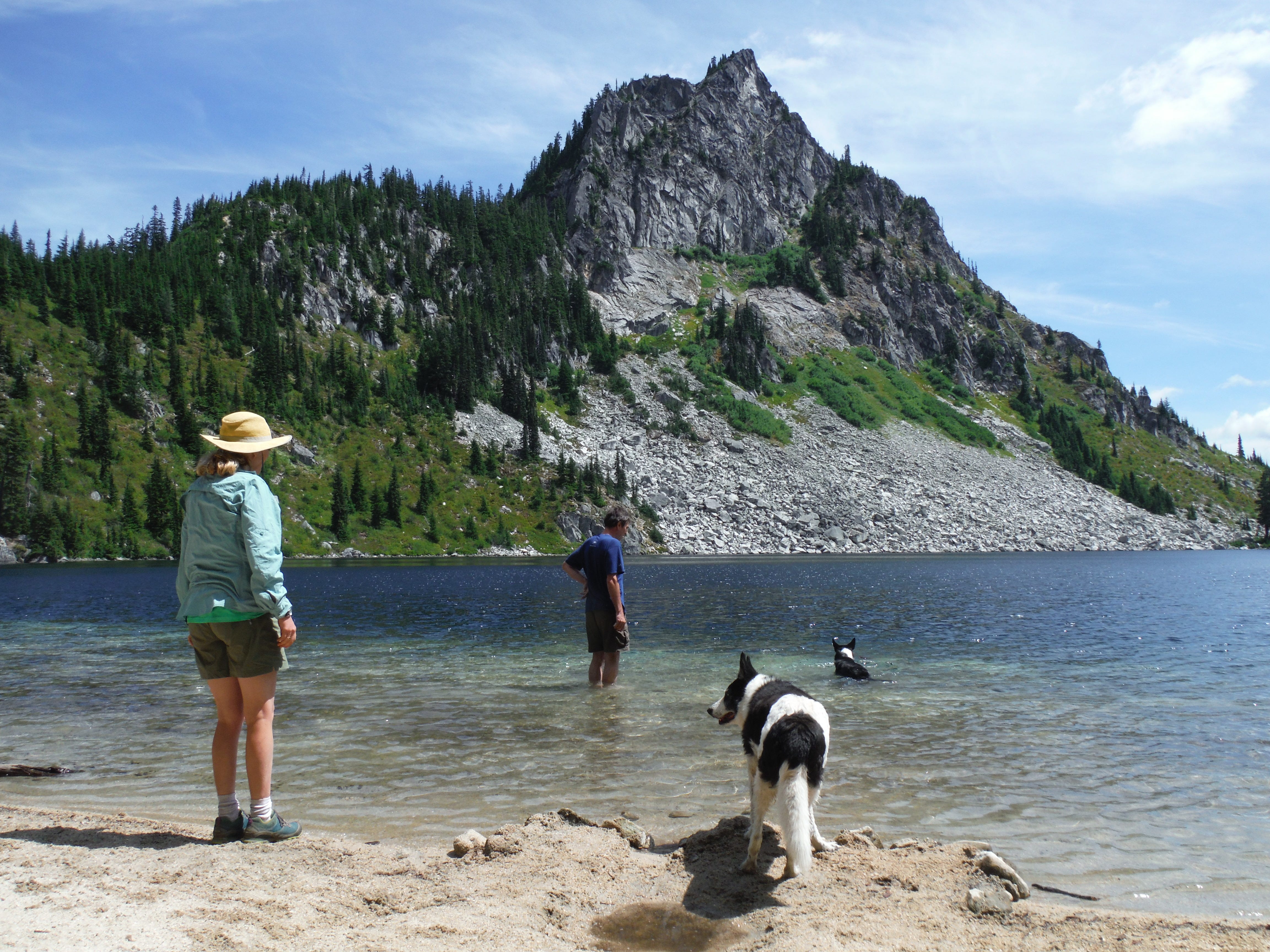
Couple & dogs enjoying an alpine lake
Now this would be a terrific place to remain stuck forever!

My plan for stepping out of my comfort zone happens in two steps:

(1) Akin to the dog-fearful person planning in advance to ask for help from those hikers who are crazy enough to own such slavering, vicious creatures, I seek help from my main characters so I can get as close to their eventual voices as possible. I do this by writing some first-person “prequel scenes,” which take place long before the story will occur, and in which my MC’s basic misunderstanding about the world develops (thanks to Lisa Cron’s Story Genius for this brilliant idea). There’s a lot less pressure in writing these scenes than in composing the actual story because they’re not the actual story. Not yet, anyway (full disclosure: I often end up incorporating bits and pieces of them into flashbacks).

(2) After playing around with character voice and motivation in this way, I’m ready to walk past the metaphorical scary dog. I open the document to the blank page and force myself to write. Word after word after word. I’m not saying this is easy for me. It’s terrifying and often feels painfully slow compared to writing later in the story, when I’m comfortable with all the of the character voices and how they relate to one another. But it gets my feet moving along the trail to a place where I feel much safer and happier.
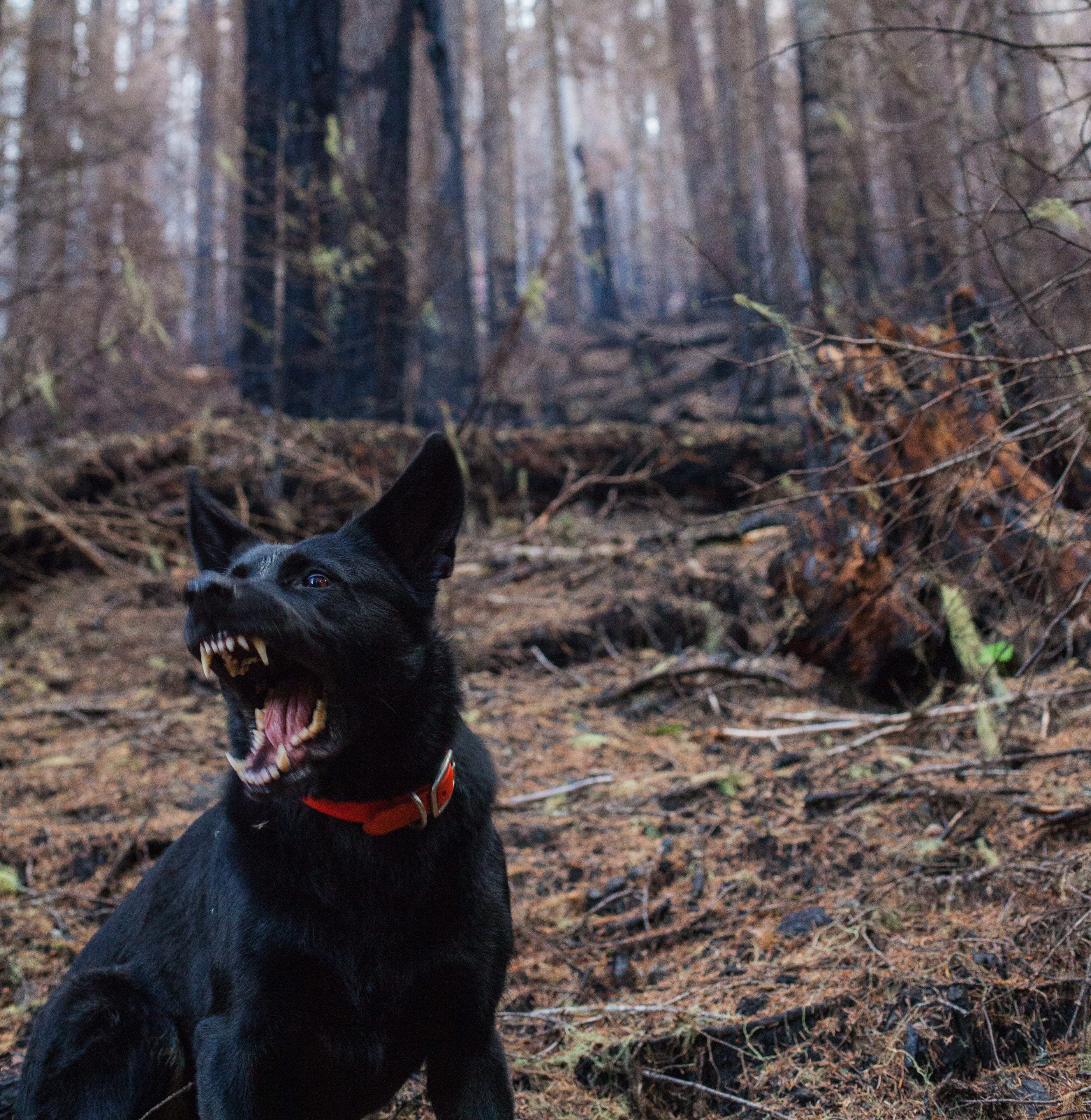
Snarling dog
Photo credit: Nick Bolton

This combination of preparation and a little bit of sheer will power goes for any fear I might have. But what if you just can’t muscle your way into writing? Or what if the stranger-dog situation is reversed? What if it’s the dog that’s scared? I actually have a particularly fearful dog who gets nervous when he encounters “unfamiliar” things. I put that word in quotes because something that’s unfamiliar to him is generally not at all unexpected to me, from a visit to the vet to having to enter a barn through a large sliding door. Occasionally, a previously visited stump in the trail that’s turned extra black from rain or extra visible from lack of leaves will cause him to leap back in surprise with a little growl. Oh my goodness, it might attack us!
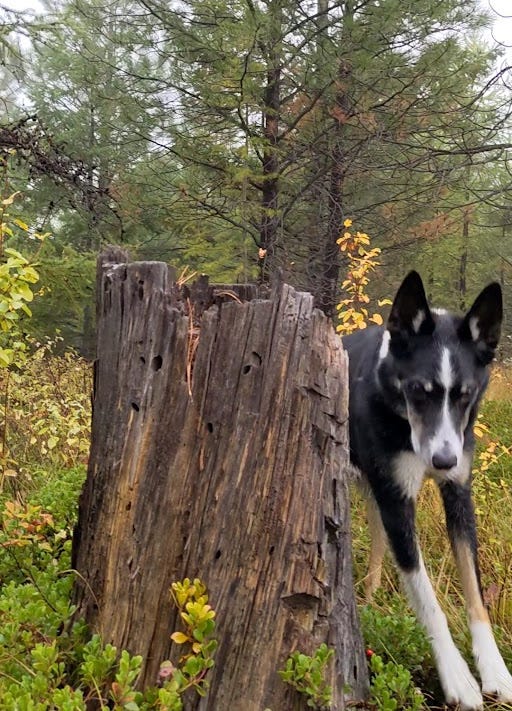
Dog running past stump
Racing past a scary stump.

I jest, but these are very real terrors to my dog. And since he’s pretty much joined at the hip to me, going wherever I go, I must own his fears and find ways to mitigate them. If you’ve read one of my previous posts, Backstory’s Bad Rap is Underserved, you’ll already know that I deal with Tock’s fear of the vet in the two-step manner I’ve described above. But for most of his fears, I have the option to replace that second step with an alternative that is always, always better for getting a dog over their terror: (3) the use of reverse psychology, or more generally, thinking outside the box.
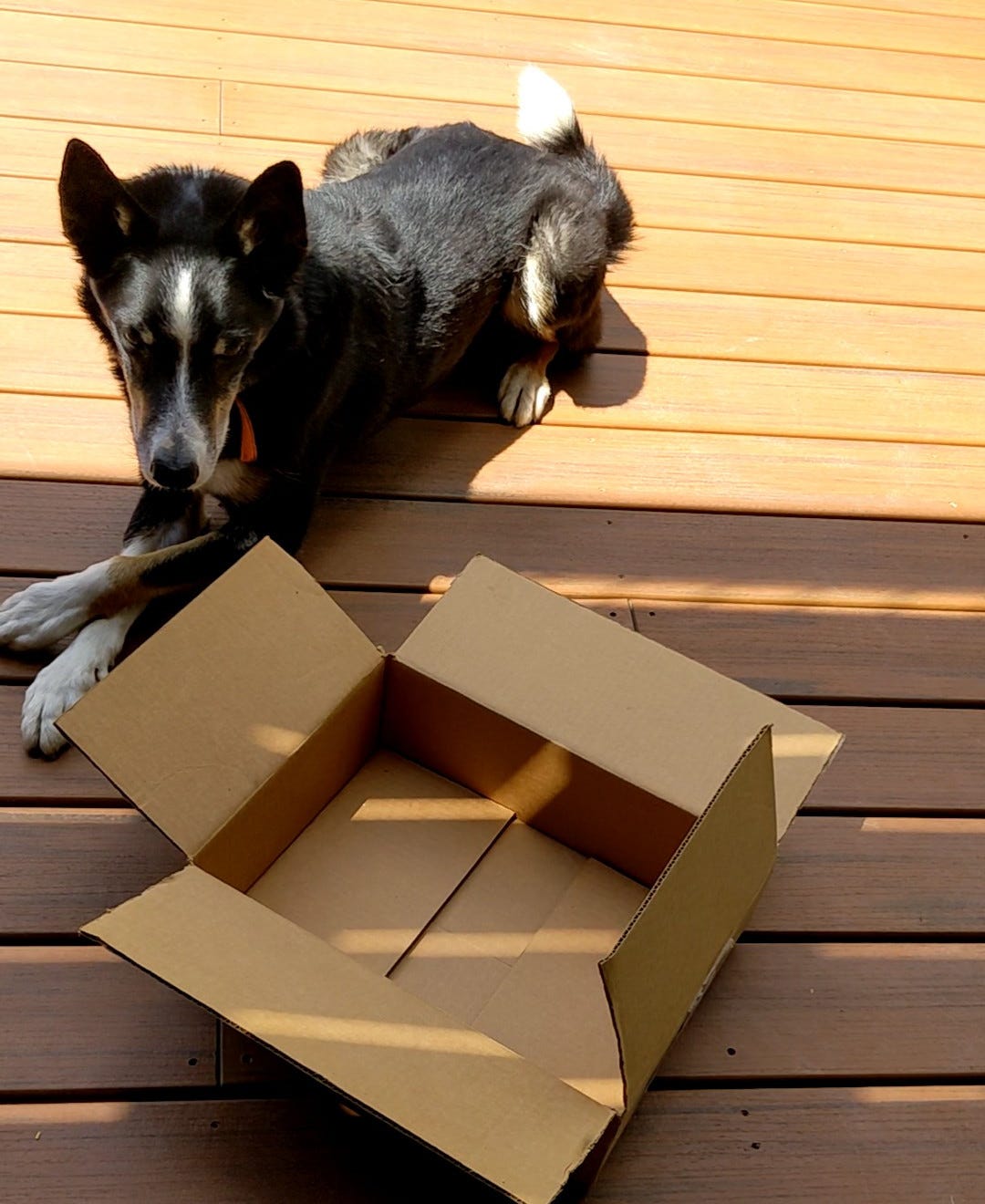
Dog lying outside of a box

For the scary barn door, for example, I found another entrance into the barn through a much smaller door. Tock was perfectly fine with going in that way. And once he did, he had no problem exiting—and then re-entering—through the big door. For a suspicious stump, I wait for him to take a single step toward it, and then reward him far away from it, so he realizes that doing one tiny difficult thing reaps great rewards in a safe place. Incidentally, this reverse psychology is the same approach I use for agility students’ dogs who are terrified of the teeter.
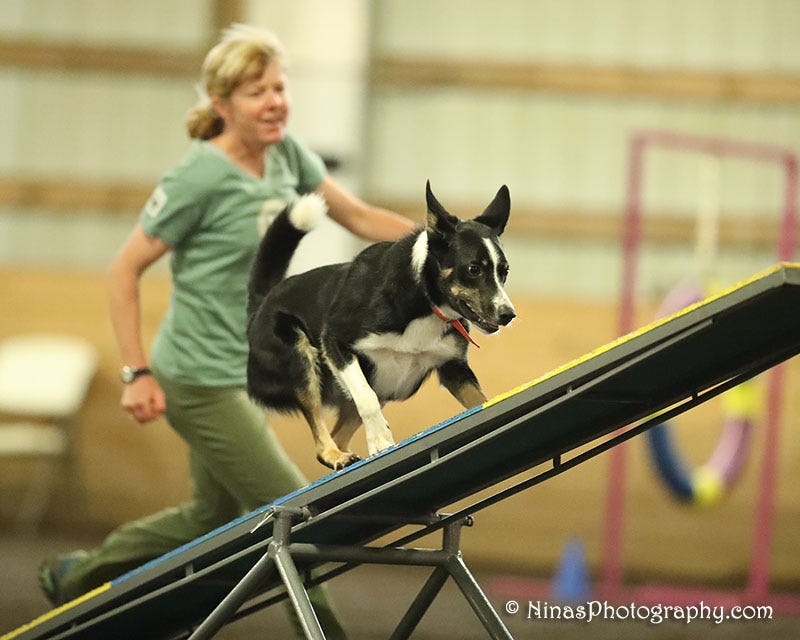
Dog on teeter

Some dogs are born scared of the teeter’s sudden tip, or the banging noise it makes when it hits the ground, or the height they have to ascend before the board tips. Others become scared due to a frightening experience, such as using a teeter that tips much faster than the one they were used to. Either way, asking for a tiny approach to the teeter, followed by a fun reward elsewhere works wonders (thanks to Leslie McDevitt’s Control Unleashed for this method).

Just as the second step of my Two-Step Approach needs gentling and modification to help dogs overcome their fears, it may need tweaking for you, too. If the setting of the new world causes you to stop and puzzle about it excessively, skip it for the moment and move straight to interiority or dialogue. This allows you to get directly into your character’s head in a manner that you’re already comfortable with (remember those prequel scenes?). Another way to sneak words out of your mind and onto paper is to write more prequel scenes that get closer and closer to the time the story takes place—until they are the story.

What techniques do you use to step out of your comfort zone, past the danger, and into a brave new world?
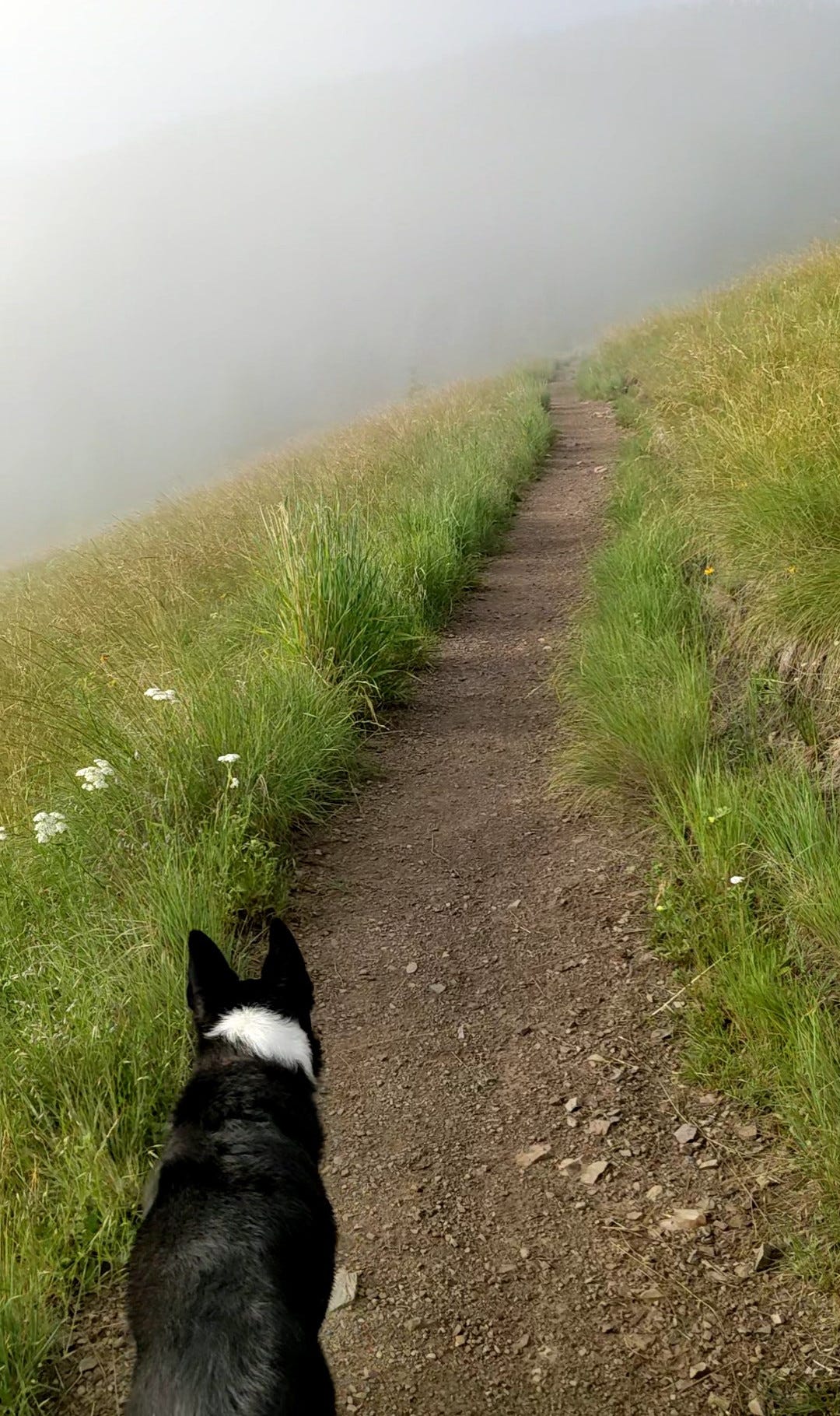
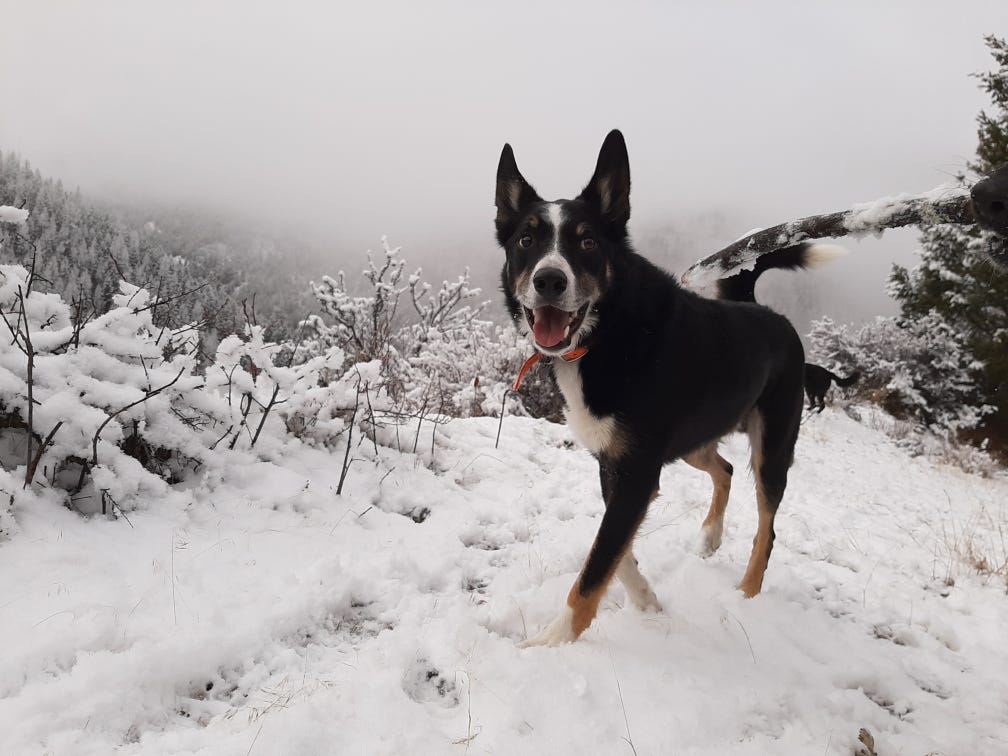
Dog heading up a trail into mist

Happy Tales!

The Real Reason for Routines

One of the worst days in many countries occurs with the annual switch from Daylight Savings Time to Standard Time. We have to reset our clocks backwards an hour, and guess what that means? Hint: I’m not thinking that much about you right here. Besides, I know a lot of people relish that extra hour of sleep (excluding myself). No, I’m concerned about your dogs.

Possibly this goes for other pets, too, but dogs truly love their routines. Delay everything by an hour, and your dog will be standing by your side of the bed, shaking his coat and rattling his tags in anticipation of you getting up (at what is now 4:00 AM rather than 5:00). Then he’ll be standing at your elbow waiting for breakfast—and dinner—an hour before he’s normally fed. As someone who’s perpetually hungry, my stomach growls in sympathy.

Dog at person's elbow

And of course, your dog will display signs of restlessness indicating that he expects you to let him out or take him for a walk, long before you’re ready to step outside. At the end of the day, he’ll wonder why you’re taking forever to go to bed. He’s likely to retire early, even though you’re still up and there’s a chance you might play more games with him or even give him a treat.

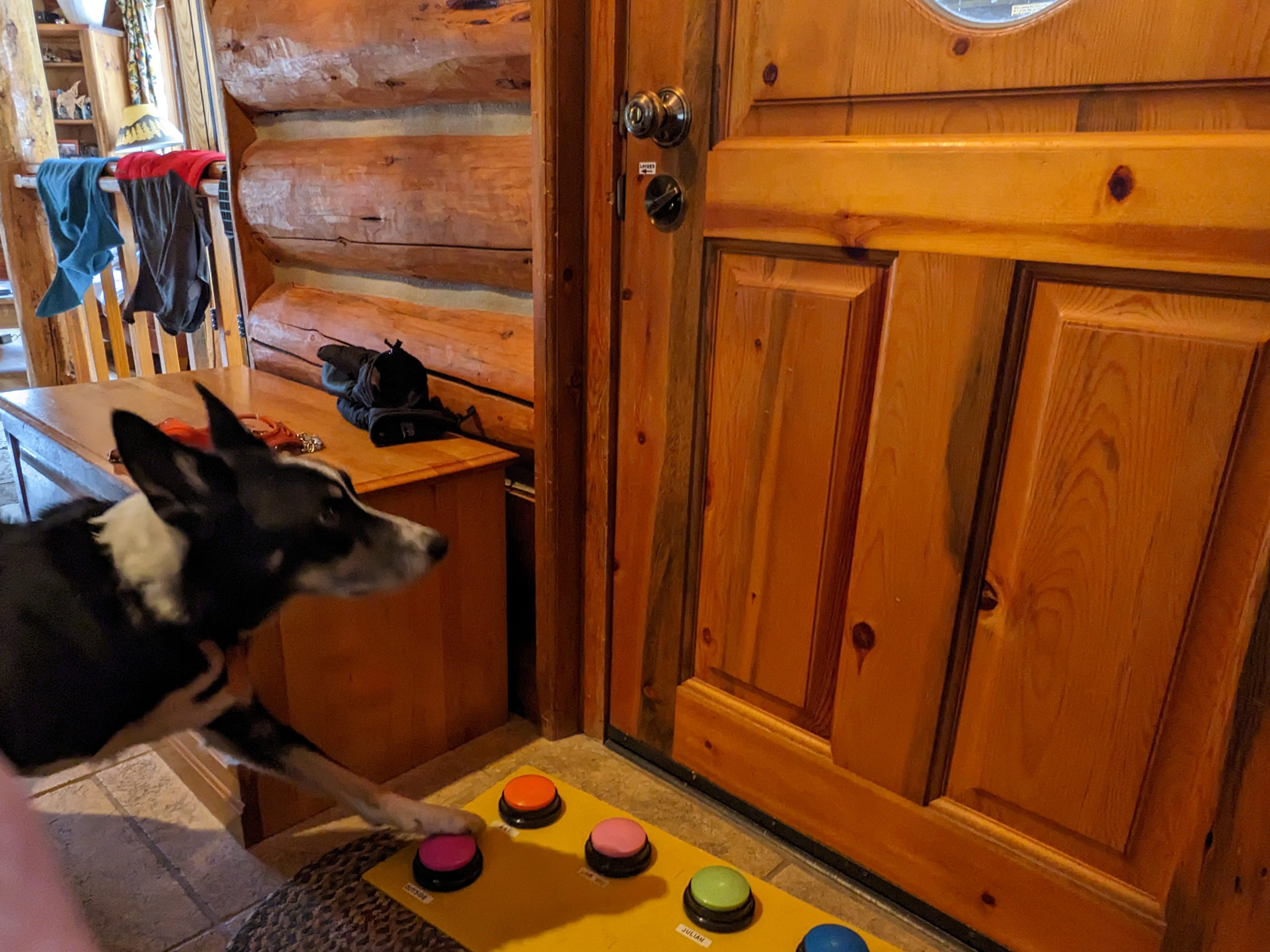
Dog presses button & stares at door
Tock presses the “Outside” button while staring at the door. Could he be any more clear about what he wants?

It takes my dog a good week to get over the time change. For every one of those interminable days, he employs his most beseeching stares for much longer than normal, as though he’s starving to death and suffering tremendously from lack of attention.

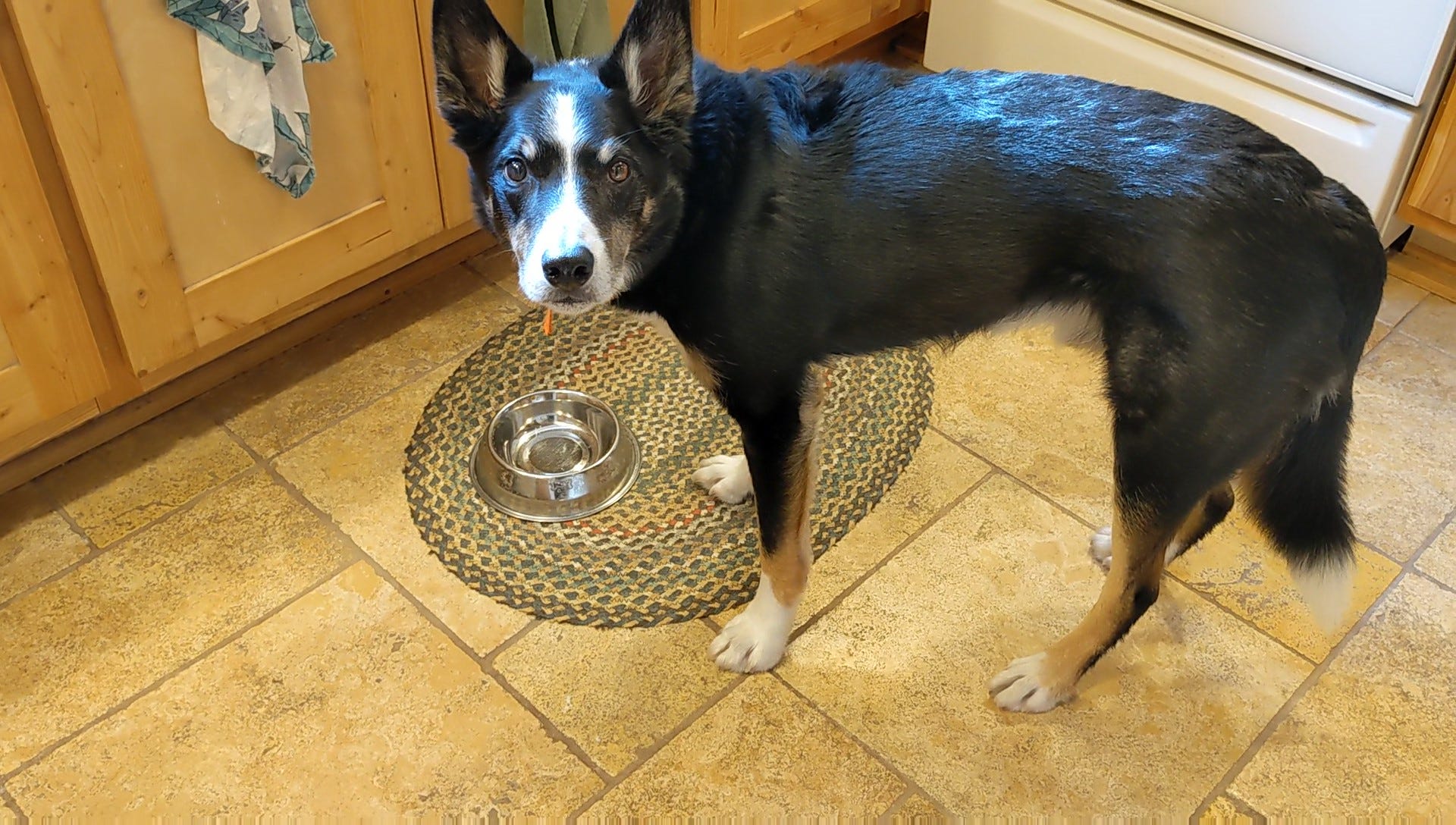
Dog standing by empty food bowl

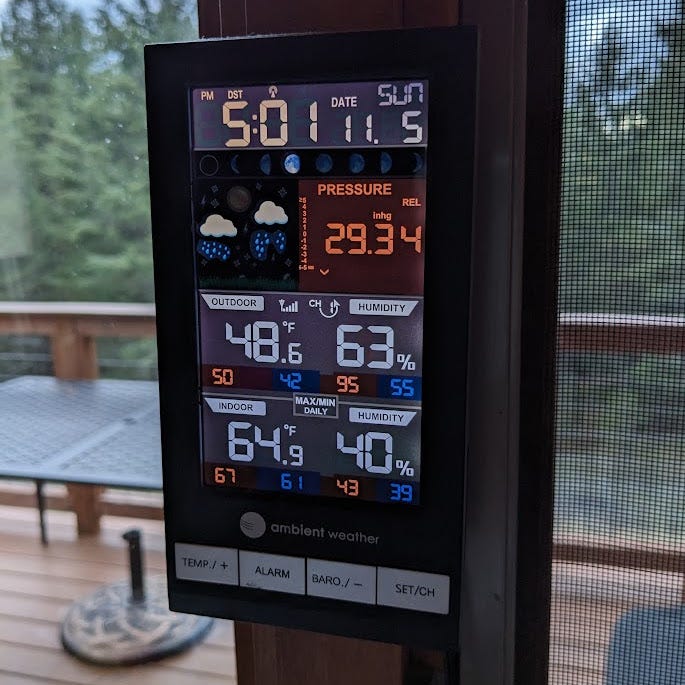
My dog’s behavior makes me feel rather callous. But I cold-heartedly push the new routine into place because once he’s adjusted, we’re back to our usual schedule. It’s probably during this process more than at any other time of the year that I appreciate Tock’s intense devotion to the precise moments that good things happen for him. Without a watch or a phone or a daily planner, his brain makes use of other cues to understand timing. This could be external, such as changes in daylength and temperature, or internal, such as his level of hunger, alertness, or sleepiness. Whatever it is, he’s as accurate as the atomic clock in our weather station.

Atomic clock on the day we gain an hour

If you’re lucky enough to spend much time outside, you’re likely aware that wild plants and animals have their own clocks, too. Over millennia, each species has evolved in a way that enhances its own survival and ability to pass on its genes to the next generation—and a large part of its success stems from knowing exactly when to flower and fruit, when to eat, migrate, and grow a new coat of fur.

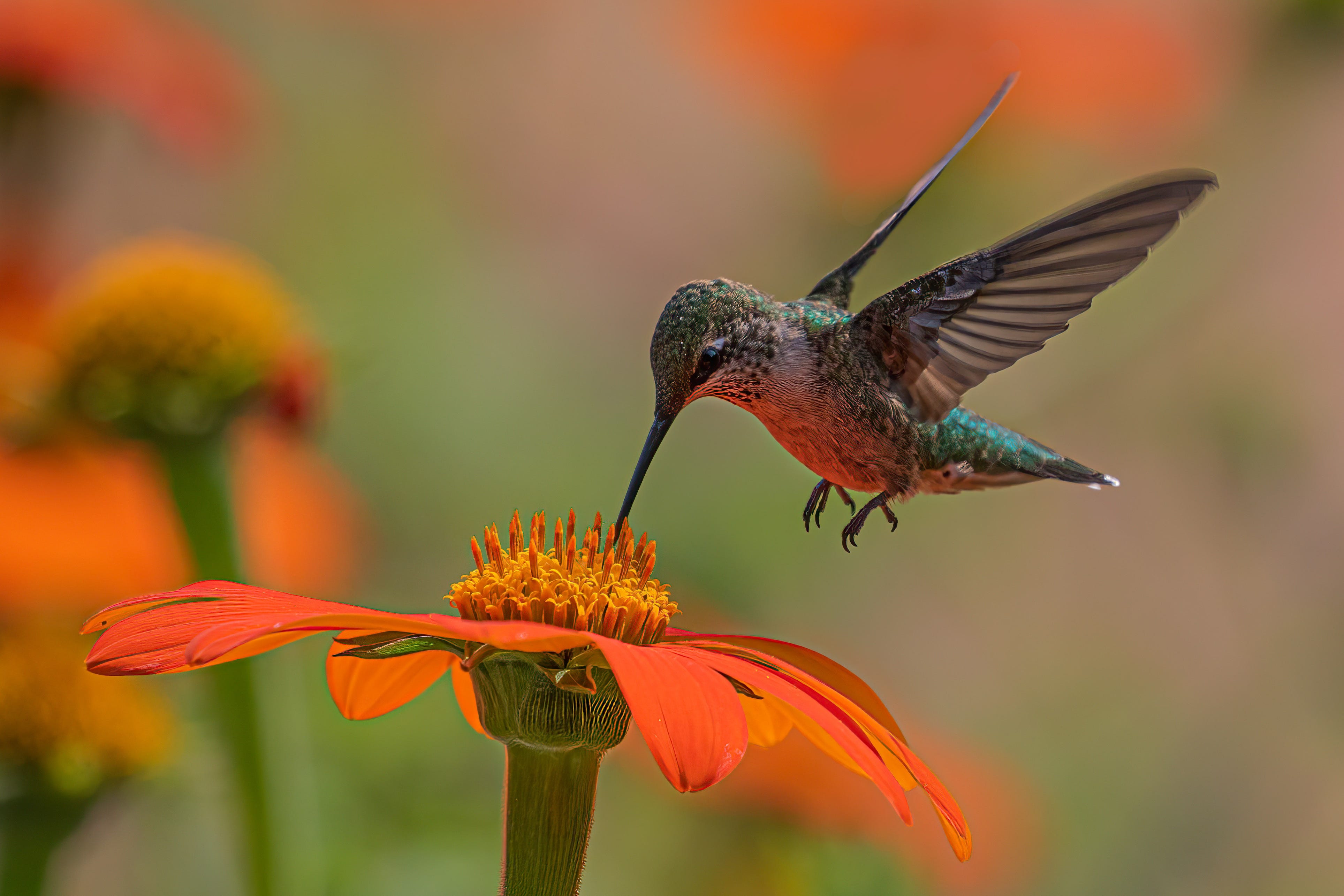
Hummingbird sipping from flower
Photo credit: Dulcey Lima

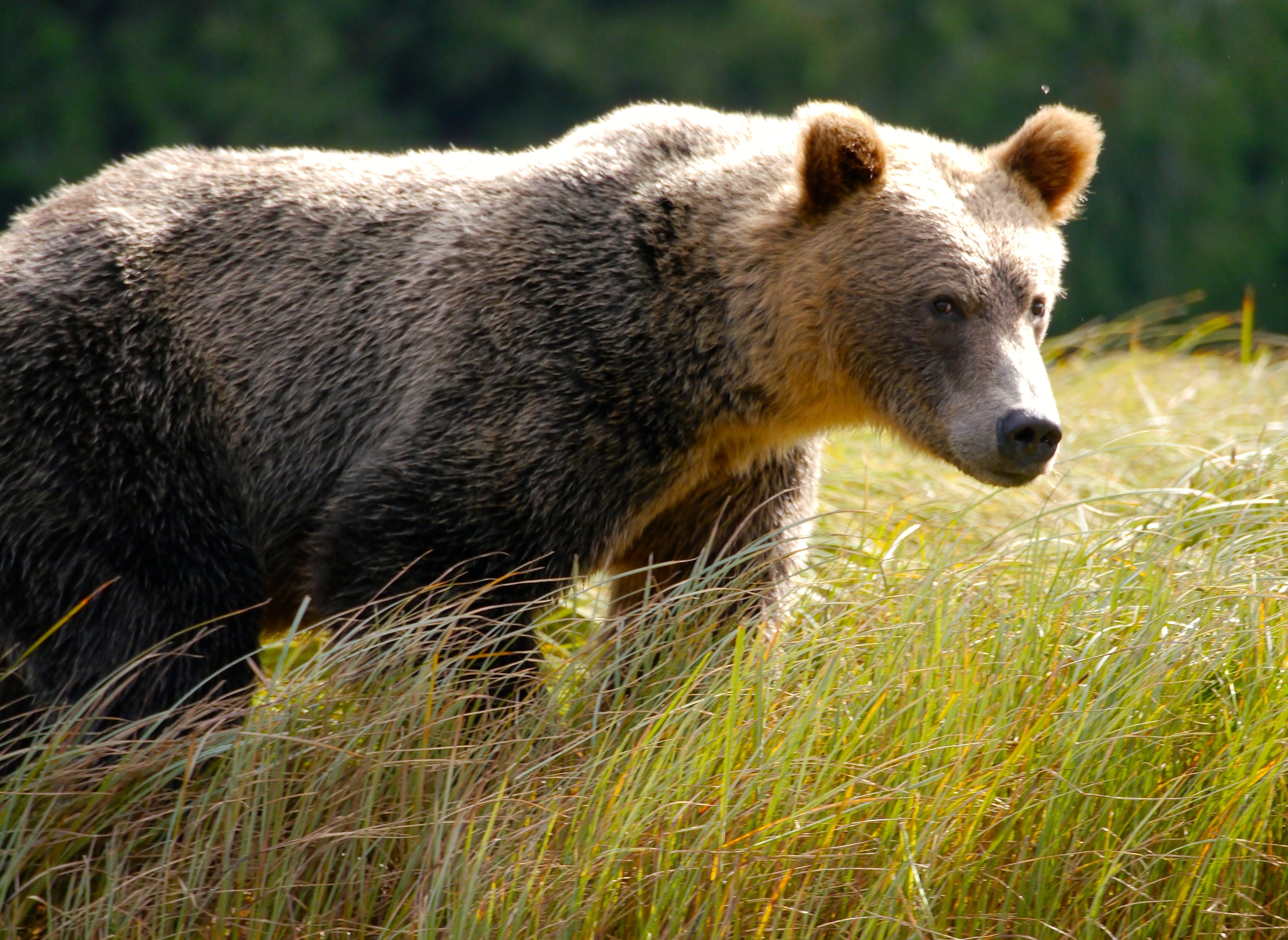
A hummingbird that arrives so early that its crop of flowers isn’t yet producing nectar—or so late that the flowers are already drying up—won’t have as much food to support its young. Likewise, a grizzly bear that comes out of hibernation too early may not find enough of the delectable glacier lily bulbs that it relies on for spring nutrition in many alpine areas.

Grizzly bear in field
Photo credit: Anna Tremewan

The problem, unfortunately, is that global changes in weather are now happening at a more rapid pace than ever before, and they’re wreaking havoc with natural systems. Like the white-coated snowshoe hare on a brown, melted-out hillside, some species are unable to adjust their tortoise-slow evolutionary processes to keep up. And unlike my dog, they don’t have the luxury of muscling through a week of misery and just “getting used to it.” Many species do alter their physiological and behavioral patterns in a way that seems to correspond with longer warm seasons, but they’ll be in trouble if the plants they eat or the animals they interact with don’t adjust at precisely the same pace, or if severe weather becomes more unpredictable overall.

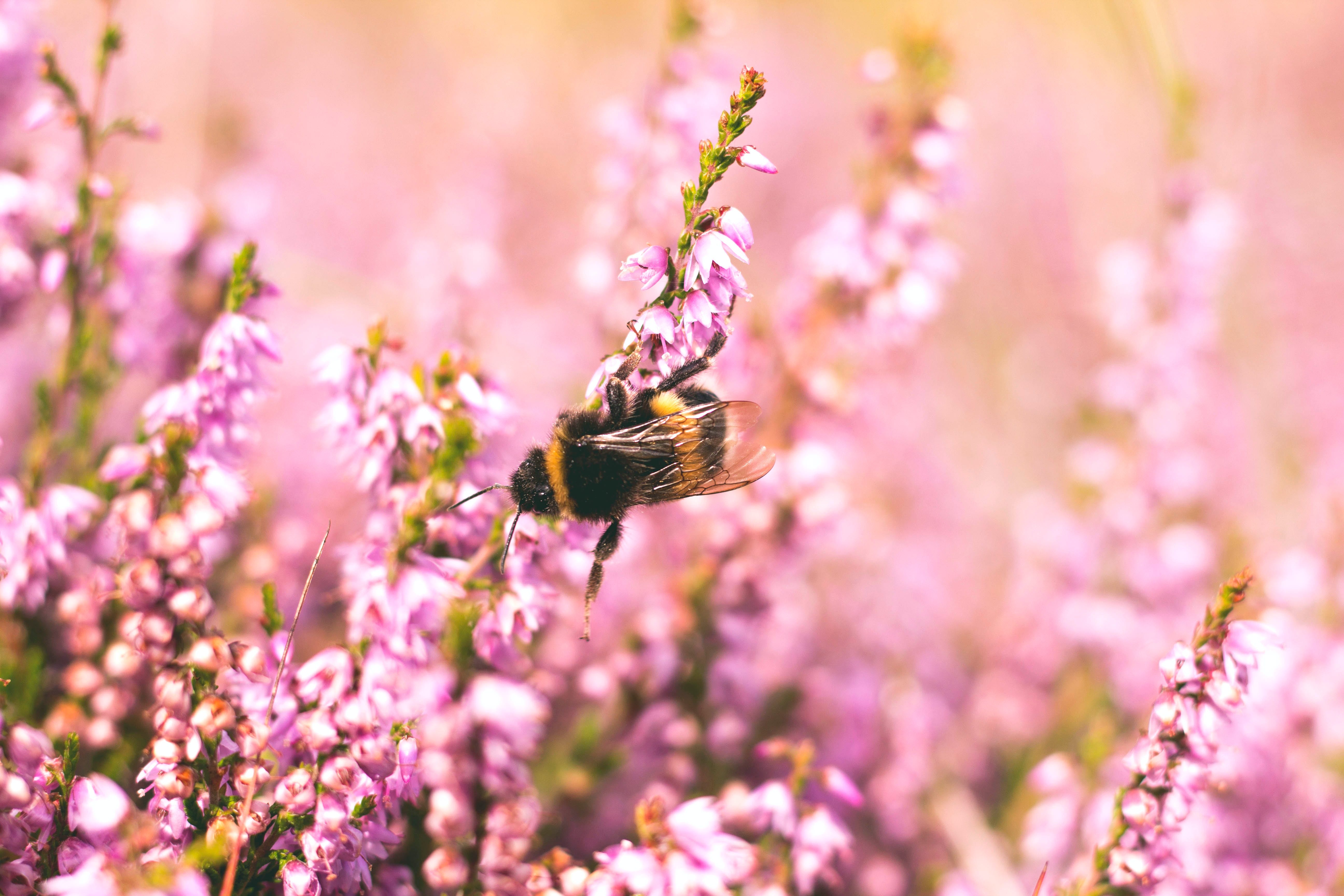
Bee pollinating flower
Each species of bee in a given area has its own biological clock and flowers that it prefers to pollinate. Photo credit: Josephine Amalie

“No species lives in isolation,” says professor David Inouye, leader of the world’s longest and most comprehensive study of ecosystem phenology in the southern Rocky Mountains (i.e., an incredible fifty years of measuring the timing of interconnected biological cycles). The big unknown question today is whether the major life events of different species will continue to become more and more mismatched. Perhaps new species will step in to fill the void where others cannot, but the chances of these newcomers meshing perfectly in an already established ecosystem are small. Clearly, we need a lot more research to determine the answer.

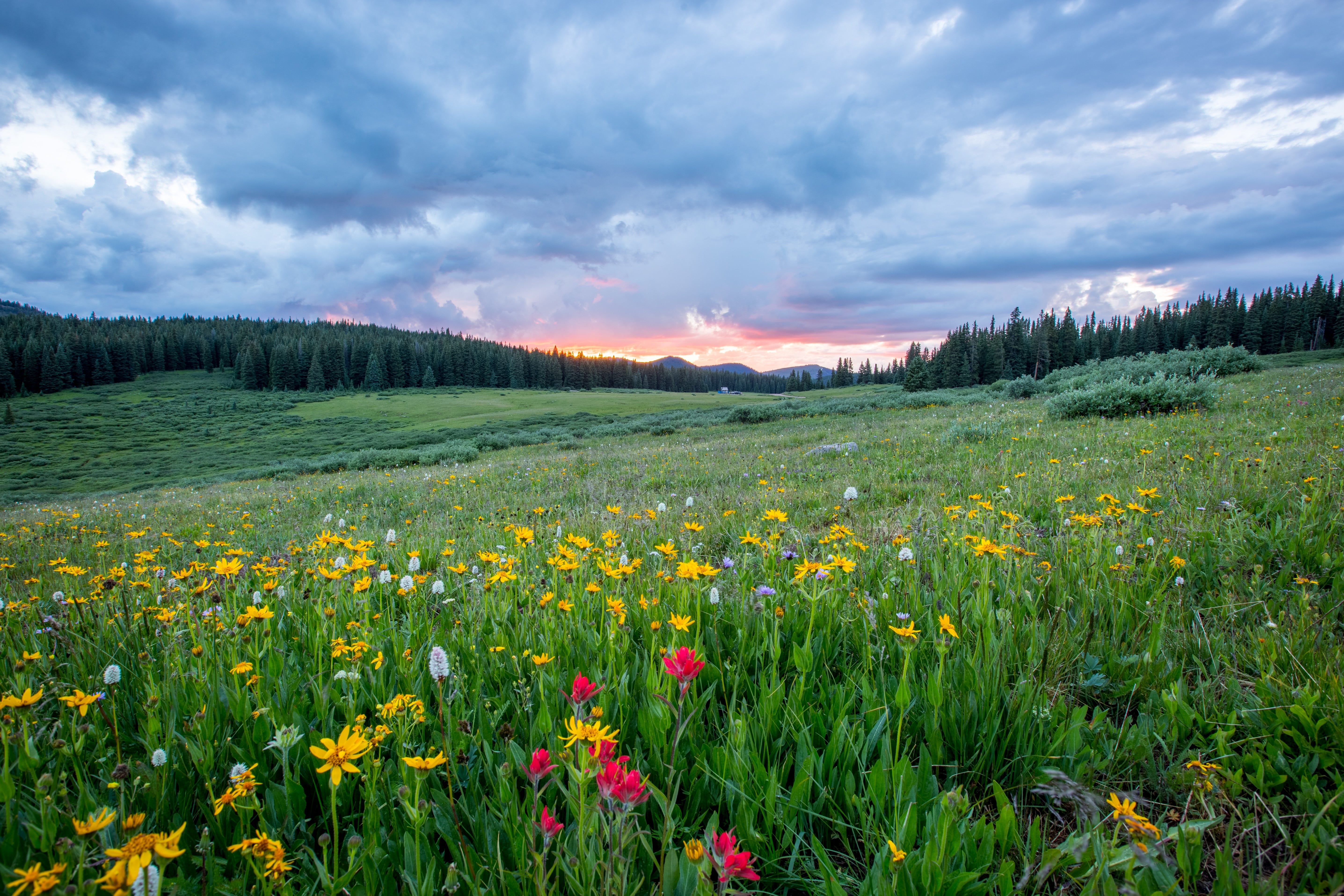
Mountain meadow
The meadows of the Rocky Mountains are home to diverse collections of plants and animals, but species relationships are undergoing upheaval as their routines shift in changing climates. Photo credit: Joel Holland

At the moment, it feels to me like we’re living inside a massive global climate experiment with no controls and too many study subjects doing whatever they please. It’s my fervent wish that we humans do what we can to slow climate change down, so other species have a chance to adjust their routines in order to survive and reproduce. But how?

This is when I fall back on the thing that keeps me grounded most of all—writing. It’s one area in which I personally might be able to make a difference, by shedding light on the things that matter to me. Climate change, for instance. Once people appreciate the intricate balance of life forms that comprise an ecosystem, they might begin to think about how easily that can be upset, and how they can minimize their own contributions to climate-related turmoil.

Pen and notebook

So … I write. And I’ve found that I write best when I stick to a certain schedule. For me, this means a small chunk of time before dawn followed by a larger chunk at mid-day. Of course, the actual frequency and amount of writing time varies with each person. Some write best in the morning, some in the evening, some interspersed throughout the day. The main thing is that we know we have to write, and we dedicate blocks of time to doing it. We have routines. It’s my guess that most successful writers are as embedded in their routines as their dogs. How else would we ever trick ourselves into writing more than a paragraph?

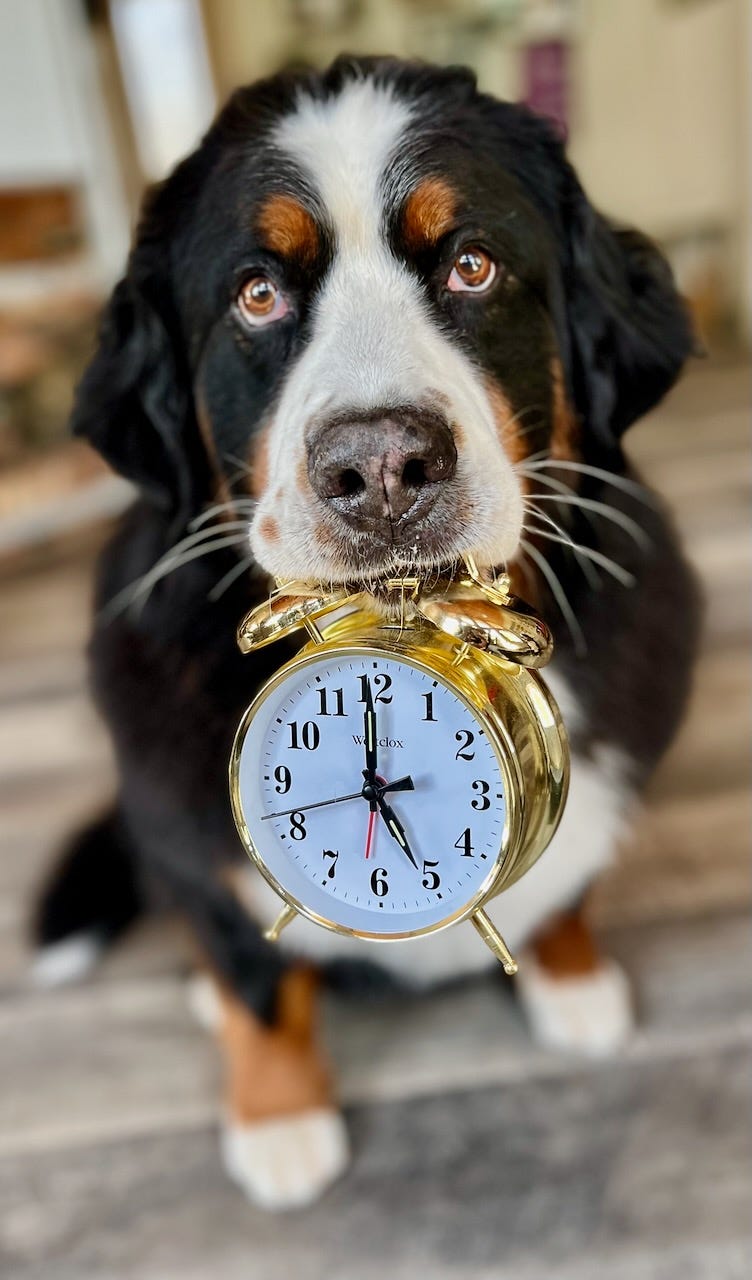
Dog holding alarm clock
Sparkle reminds her owner that it’s way past feeding time! Photo credit: Mary-Ann Sontag

Routines are bread and butter for writers, and we rely on them in order to create. Whether we think about the survival of an entire ecosystem or witness the angst our dog feels during the time change, appreciating the importance of routines ensures that we’ll do what we can to maintain them (or to ease the transition to a new one as gently as possible, in the case of that shift to Standard Time). This gives us the concentrated time we need to let our thoughts flow into words. It’s personal and perhaps selfish, but to me, writing is the real reason for my own routine. Without one, I’d never have written this.

Bread and butter
Photo credit: Megan Sherling

Happy Tales!

Wanna Go For a Walk? (or: How Your Dog Will Solve Your Writer’s Block)

“Ready for walkies?”

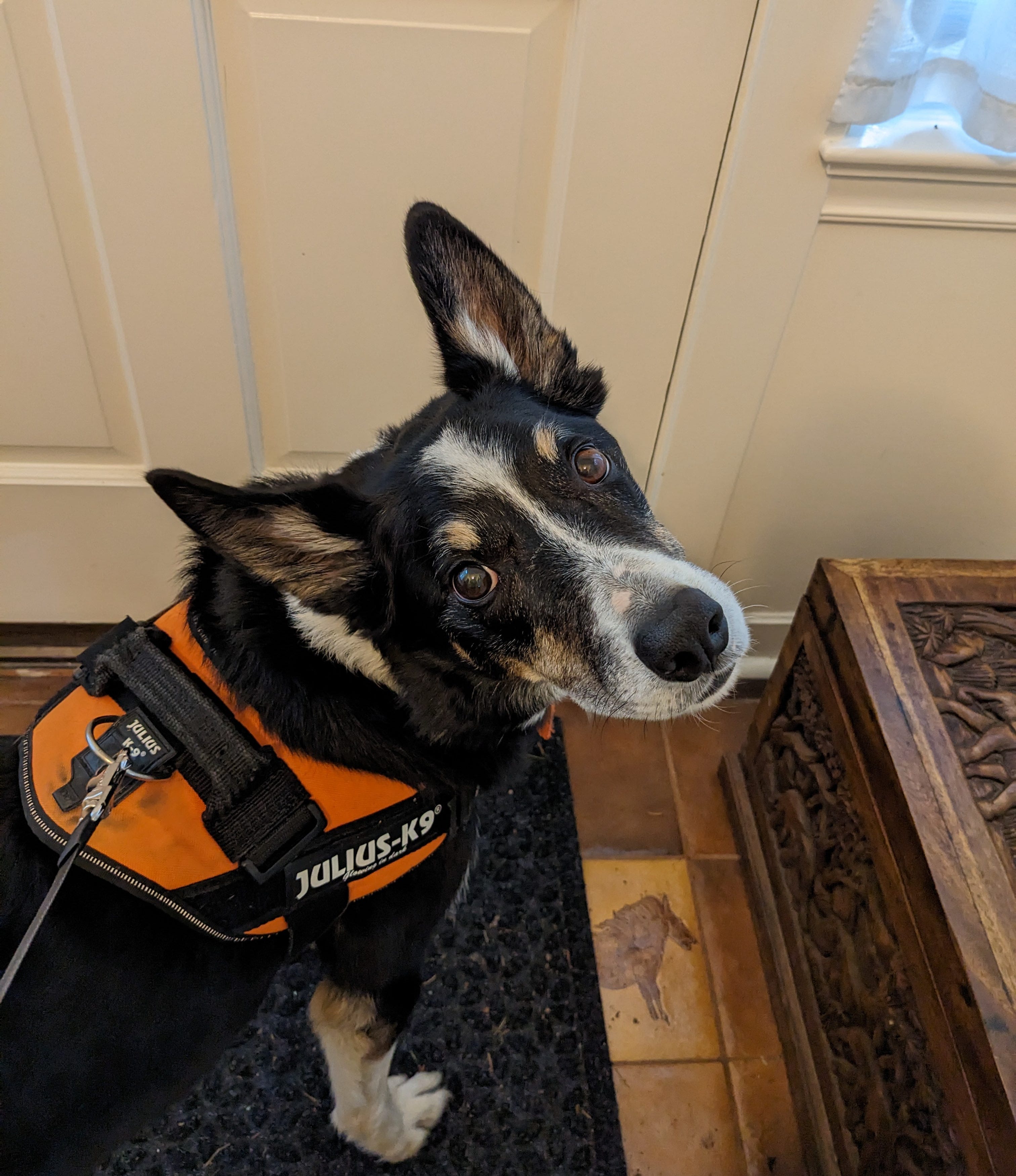
Dog standing at door

If you have a dog, you probably say something of this sort every single day. Hopefully more than once. It’s an auditory litany that mustn’t be missed, even though as a writer, you’ve probably learned that unintentional repetition isn’t a great thing. If you skip it, you’re likely to end up with a miserable pet and a messy house (okay, one that’s even messier than usual). You’ll miss out on one of the most fruitful sources of inspiration known to humankind, and a surefire solution to Writer’s Block. This holds true even if you don’t have a dog, though of course a canine companion provides the best excuse for getting outside whether you feel like it or not.

An addiction to walks is why my dog and I traipse through the hills each morning. We put aside chores, snacks, conversations, and actual writing in favor of retreating to the forested hills out our back door. No matter whether it’s hot and smoky from forest fires, gray and rainy and inches deep in mud, or icy and blizzarding and ten degrees F, we suit up and begin a brisk walk up a bumpy trail. To the uninitiated, this trip might sound mundane or downright unpleasant. But to my dog and me, it’s an entry into our own fantastic Land of Oz.

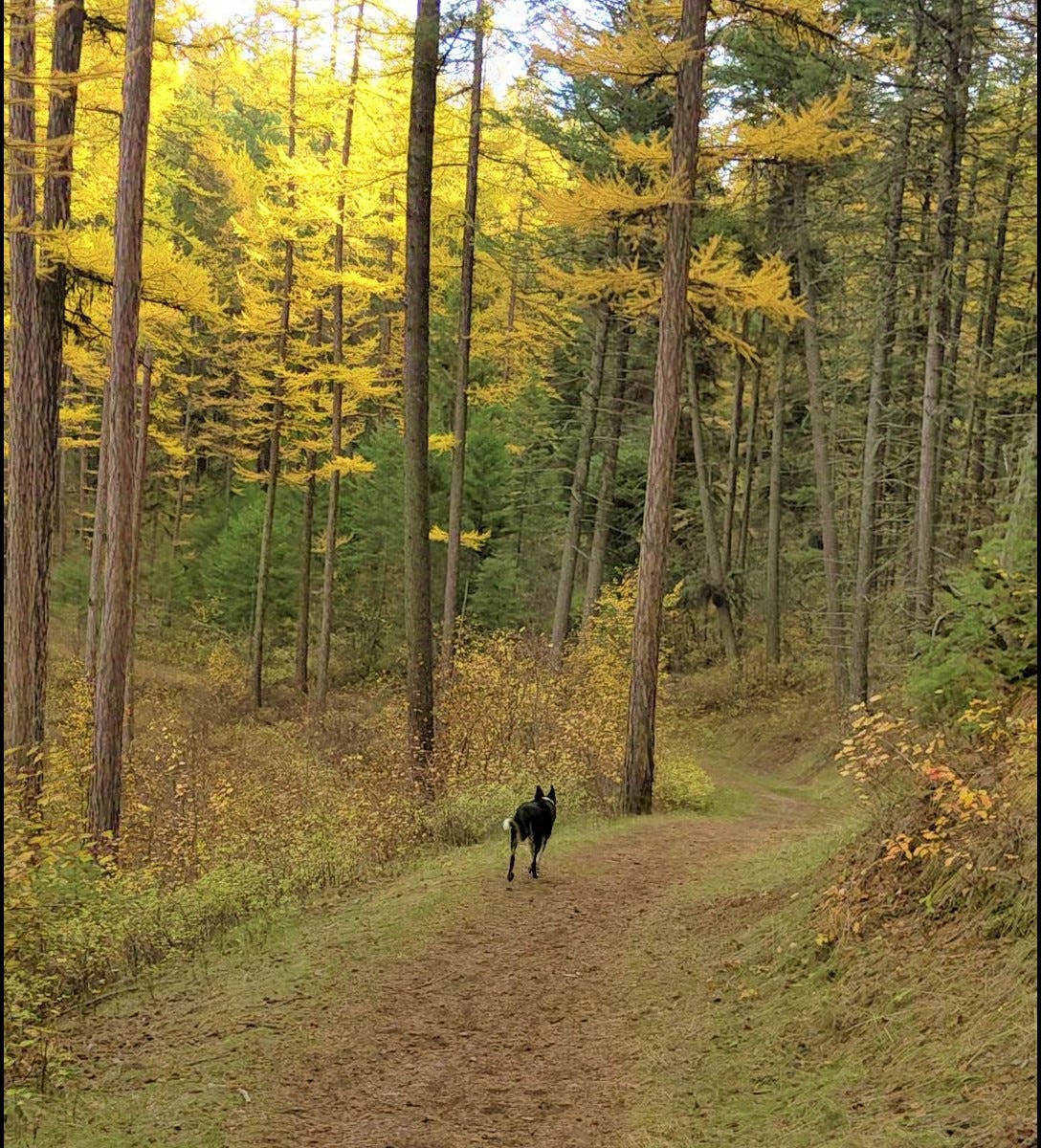
Dog trotting through woods

Huh? you might wonder. How could a trudge along a dirt trail remotely resemble the fantasy world in one of the most classic of childrens’ books?

Easy. You know that trail my dog Tock and I follow? Don’t be fooled by the ice, dirt, rocks, roots, hounds-tongue burrs, and knapweed. Nope. It’s actually the yellow brick road. Not only does it lead us to our goal—a high point with a view—but we always, always get more than we bargained for. In a good way. Mostly. Here’s what happens:

  1. We get to hunt down wicked witches (Tock’s translation: pine cones or snowballs, depending on season. In desperate situations, a stick will suffice.)
  2. We make every effort to scare off the flying monkeys (Tock’s translation: squirrels).Photo credit: Andrey Svistunov
  3. We make some friends (Tock’s translation: other dogs) if we’re lucky.
  4. We go on an interesting adventure in which our hearts pump furiously.

And then? Like Dorothy and Toto, we go home.

Okay, fine, you say. Land of Oz. Cute analogy. But what does it have to do with me writing a single word of my recalcitrant Work-in-Progress?

Glad you asked. In fact, the great outdoors is one of the most perfect places to think about and talk about writing. First of all, we—meaning everyone, not just writers—live in our own stories all the time. Stories that we create every day. They might be wholly true, they might be wholly fictional, or they might be somewhere in between. They’re our own personal narratives, about ourselves, people we know, things that’ve happened to us, or things in news.

Now if you’re a writer, or want to be a writer, you spend even more time in your head sifting through those stories, and other people’s stories, and your thoughts, feelings, and reactions to all those stories to find the ones that you want to write down.

Sometimes, this is pretty overwhelming. You get stuck. You can’t dig through the mess deep enough to find a fresh new idea. Or you have so many ideas that you can’t decide which one to work on. Or you can’t solve a problem in your plot, or your characters, or your world. You might feel like the solution is off in the wings, in your peripheral vision where you just can’t quite grasp it. It darts away when you try to look at it because there’s simply too much stuff going on in your head. Too many thoughts and stories distracting you.

So what can you do? Simple. Get away from your screens! Put yourself in a situation where your subconscious mind can take over. Engage your entire body (your physical self) to the best of your ability, so much that you can damp out all the clutter. Get your heart pounding, your lungs acting like bellows, your muscles working, your sweat glands pumping. Get some fresh air! (Hopefully fresh, depending where you live.)

happy dog outdoors

And the beauty of this is that you can do all of it by going for a walk! As you probably know, exercise has major physical health benefits for your heart, muscles, bones, and immune system. All those endorphins released by exercise lead to higher levels of happiness and relaxation. Even better, regular aerobic exercise benefits your brain! It increases the size of your hippocampus (the part of the brain associated with verbal memory and learning) and promotes neurogenesis—the growth of nervous tissue. You can become more resistant to neurodegenerative disease.

From a writing standpoint, here’s the most important thing: moderate aerobic exercise such as walking can provide you with your best ideas. You get to live entirely in the present, experiencing the real world—the one that’s happening right this second. Because you’re devoting all your energy to your physical self, your brain simply doesn’t have energy to keep up with the many story threads whirling around inside it. It relaxes and lets go, unmooring you from preconceived notions, assumptions, and worries. You find yourself able to see details and the big picture at the same time. And that’s when the ideas happen.

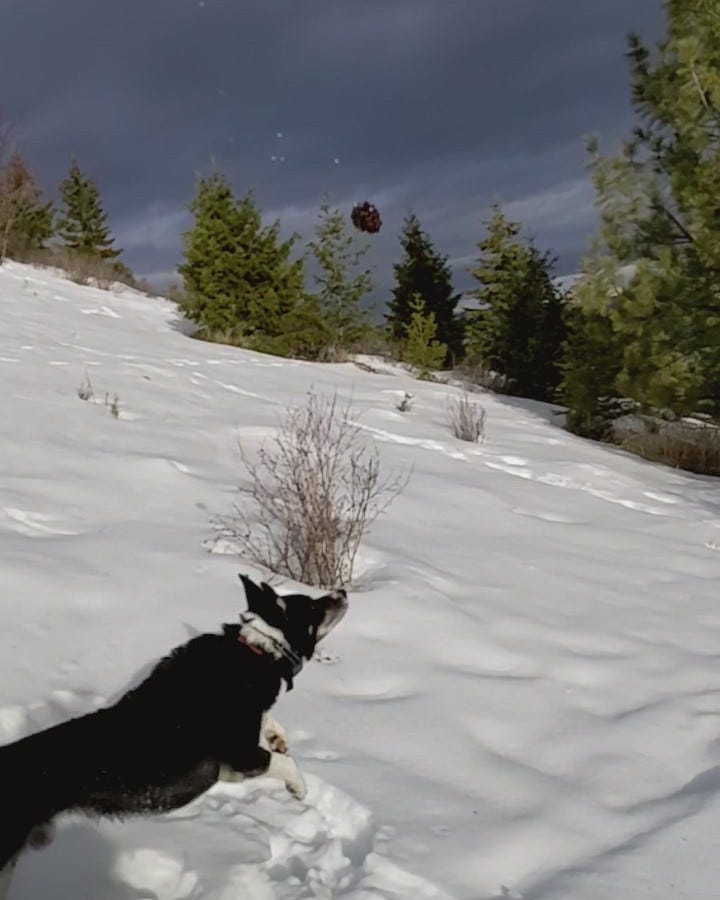
I’m speaking from experience here. Unless it’s deathly cold (below ten degrees F is the cutoff for my dog’s paws) or I’m deathly ill, I walk every day. After a few throws of a pinecone for my dog, ideas, memories, and solutions to tricky plot problems begin to pop into my head without any effort on my part. By my side, Tock chases, fetches, sniffs, and runs, thoroughly enjoying every second.

Dog running after pinecone

All you have to do to immerse yourself in your own Land of Oz adventure is to turn your phone off and your body on. Take your dog, if you have one and it’s willing. A walk in the woods is a truly magical place to most dogs. Unless they’re very nervous (in which case you’ll need to start much closer to home), they carry with them a sense of wonder, excitement and joy, as well as total immersion in the present. These feelings will spill over into you, too, no matter how down or worried you were before you went out the door.

This may sound strange, but I truly believe our dogs have a lot to teach us about writing. Twice per month, I’m gonna translate the basic precepts of dog minds, dog ownership, and dog training into simple writing tips. So if you love animals, if you love the outdoors, or if you love writing about these things, I invite you to join me here.

And now, from one writer to another, I urge you to get out there in the Land of Oz. I’ll be looking for you on the Yellow Brick Road.

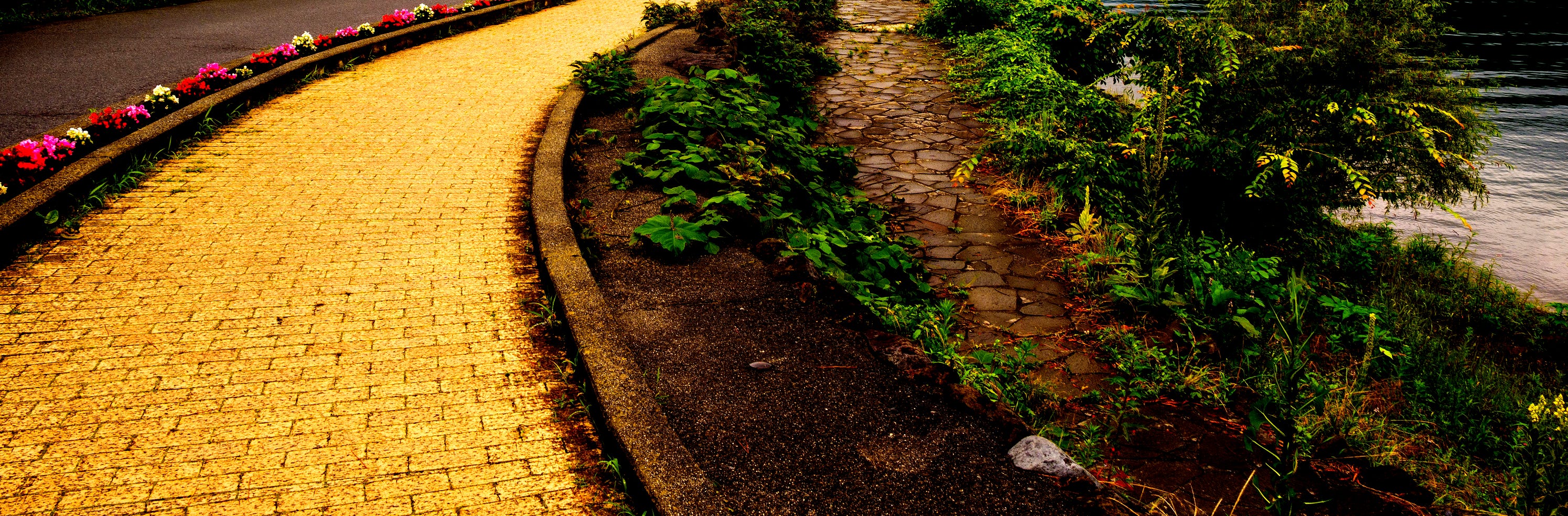
Yellow brick road
Photo credit: Akshay Nanavati

Happy Tales!

(from: https://happytales.substack.com/p/wanna-go-for-a-walk)